For many African-Americans, Brazil represents more than a travel destination — it is a place of cultural rediscovery, African heritage and spiritual connection. Through music, film, history and shared struggles, Black Brazil and Black America continue to strengthen ties rooted in the African diaspora.
By Stevonne Ratliff
For many African-Americans, Brazil represents a spiritual and cultural reconnection with Africa.
Instead of choosing vacations in Hawaii or Europe, many African-Americans are increasingly drawn to Brazil’s coastline. For these travelers, Brazil represents far more than relaxation and tourism — it serves as a symbolic “Mecca” for Black history, African heritage and the dream of racial democracy.
Several African-American entrepreneurs recognized the growing interest in cultural travel to Brazil. Agencies such as Soul Planet Travel were created to connect Black American travelers with African and Afro-Brazilian history through trips to Salvador and Rio de Janeiro.
Meanwhile, Charles O. Smith, founder of Avocet Travel and creator associated with Essence Magazine, believes cultural tourism can strengthen connections throughout the African diaspora.
“Our mission at Avocet Travel is to ensure that our guests enjoy a unique and authentic travel experience that is enlightening, entertaining and spiritually engaging.”
Brazilian music influences African-American culture
As economic opportunities expanded for African-Americans, many began experiencing Brazil firsthand instead of learning about the country only through books and academic studies.
Brazilian culture now strongly influences African-American music, entertainment and pop culture. Rhythms such as samba, batucada and baile funk have inspired major Hip-Hop and R&B artists.
Artists like Kelis and Pharrell Williams experimented with Brazilian sounds in their music, while channels such as BET and MTV frequently showcased rappers filming in Rio de Janeiro.
Brazilian music legend Sérgio Mendes also helped bridge samba and Hip-Hop through his album Timeless, featuring collaborations with Black Eyed Peas, John Legend, India Arie and Q-Tip.
Brazilian films deepen cultural identification
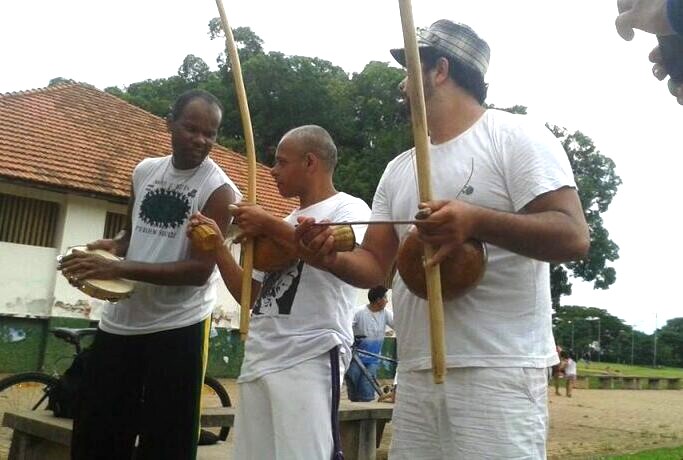
Salvador, Bahia is home to one of the world’s largest Black populations outside Africa.
Brazilian films centered on Afro-Brazilian life quickly became cult classics among African-American audiences.
Movies such as Black Orpheus and City of God sparked fascination with Brazil’s culture, social realities and racial dynamics.
The imagery of Rio de Janeiro, Afro-Brazilian communities and Brazilian music created a powerful emotional connection for many viewers.
For some African-Americans, City of God also drew comparisons between Brazilian favelas and American inner-city neighborhoods, reinforcing similarities between Black experiences across the Americas.
Bahia symbolizes reconnection with African ancestry
For many African-American travelers, visiting Bahia represents a deeply emotional and spiritual journey.
Historically, Brazil received nearly 5 million enslaved Africans, representing about 40% of all Africans transported during the Atlantic slave trade.
That history often leads African-American visitors to ask themselves:
“What if my ancestors had been brought to Bahia instead of Mississippi?”
In Salvador, travelers frequently describe feeling connected to Afro-Brazilian percussion, Axé music, Candomblé traditions and the city’s strong African heritage.
With an estimated 80% Black population, Salvador is considered one of the largest centers of African descendants outside the African continent.
The myth of Brazil’s “racial democracy”

Films like “City of God” and “Black Orpheus” strengthened African-American interest in Brazil.
For decades, Brazil was internationally viewed as a model of racial harmony, especially when compared to the segregation and Jim Crow era experienced in the United States.
However, the article highlights the contradictions behind this perception.
While Brazil celebrates Afro-Brazilian culture through music, Carnival, dance and tourism, many Black Brazilians still face systemic inequality, poverty and social exclusion.
Large portions of the Black population remain concentrated in favelas and underserved communities affected by violence, political corruption and economic inequality.
Hidden racism in Brazilian society
The article argues that racism in Brazil often appears in subtle and structural ways rather than through openly legalized segregation.
Black Brazilians may still encounter barriers in employment, social mobility and access to elite public spaces despite the country’s multicultural image.
At the same time, Afro-Brazilian culture is widely consumed and celebrated while many Black communities continue struggling for equal opportunities.
The text also points to growing cultural and political movements in Salvador that promote Black pride, identity and empowerment across Brazil.
Two cultures, one African heritage
The article compares Black Brazil and Black America to twin sisters raised in different households — separated by geography and history but connected through the same African roots.
Although slavery and racial oppression shaped each country differently, African-Americans often feel a strong emotional bond with Brazil’s Black culture and history.
As travel, media and technology continue shrinking global distances, these connections between Afro-Brazilians and African-Americans grow even stronger — creatively, politically and spiritually.

Despite its image of racial democracy, Brazil still struggles with racial inequality and structural racism.
For many visitors, Brazil becomes a “home away from home.”
* Stevonne Ratliff is a Californian and Afro-American writer and business woman that has lived in Rio de Janeiro, Brazil. Years ago, she used her unemployment checks to start her own natural hair and skincare line Beija-Flor Naturals in 2009 – Beija-Flor is a hummingbird in Portuguese.
FAQ — Frequently Asked Questions
1. Why are African-Americans interested in Brazil?
Many are drawn to Brazil’s African heritage, Black culture, music, history and spiritual connections to the African diaspora.
2. Why is Salvador, Bahia so important?
Salvador has one of the largest Black populations outside Africa and is considered the cultural heart of Afro-Brazilian identity.
3. How has Brazilian culture influenced American music?
Brazilian rhythms like samba and batucada have influenced Hip-Hop, R&B and pop artists in the United States.
4. Is Brazil really a racial democracy?
Although Brazil has long promoted the image of racial harmony, many scholars and activists point to ongoing racial inequality and structural racism.
5. Which Brazilian films became popular among African-Americans?
Films such as Black Orpheus and City of God became influential for portraying Afro-Brazilian life and culture.