Brazilian Carnaval is the result of a long cultural evolution that blends art, music, history, and social expression. More than a festival, it is a democratic celebration that reflects Brazil’s geography, creativity, and collective imagination. From samba schools to street rhythms rooted in African traditions, Carnaval connects tourism, business, and culture. It stands today as one of the most powerful artistic and social manifestations in the world.
By Vicente Faustino
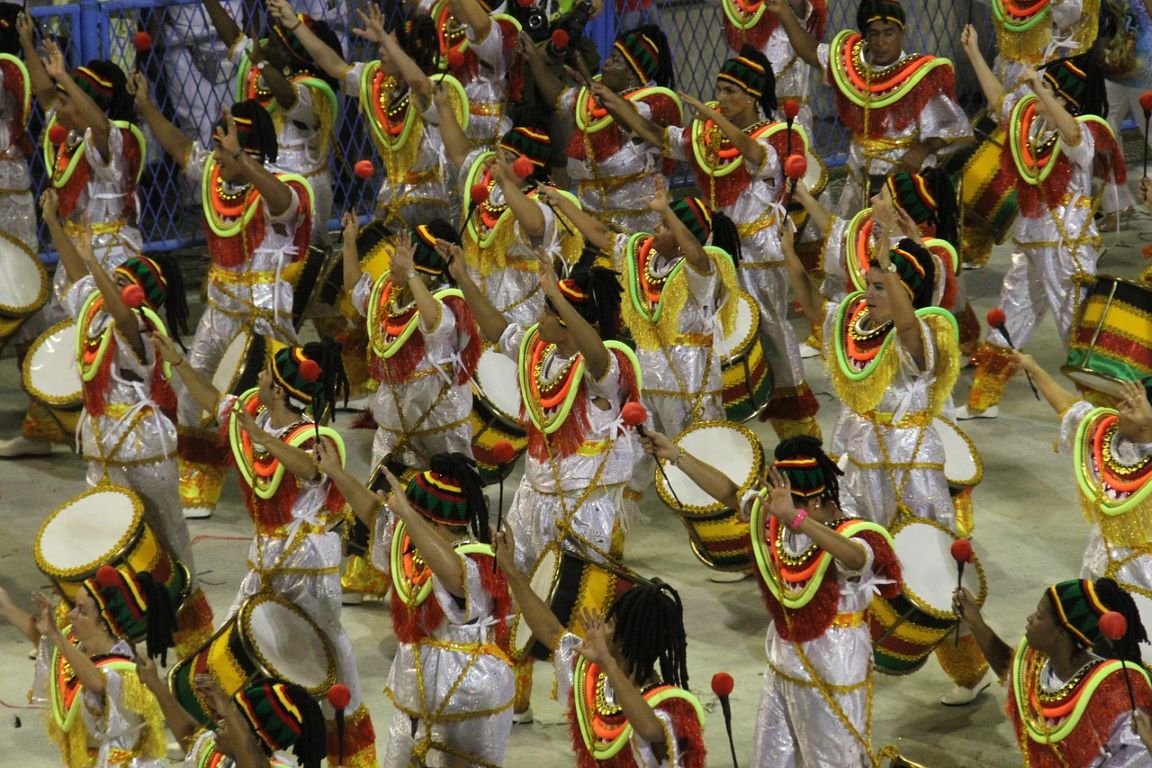
Samba schools unite history, geography, and artistic imagination.
In reality, Brazilians are privileged people when it comes to festivities. Shortly after New Year’s Eve and the beginning of the summer season in Brazil comes Carnaval, widely considered the most popular outdoor festival in the world.
Showcasing the inconceivable joy of the Brazilian people, Carnaval stands as an authentic attraction for the tourism industry and a powerful symbol of Brazil’s global image. Carnaval, art, and business coexist as essential “fuel” for Brazilian tourism, consolidating the festival as one of the most creative and democratic celebrations of the arts worldwide — far beyond the concept of a simple street opera.
Carnaval and the Birth of Samba Schools
Carnaval — as Brazilians call it — forms the core of samba school creation, deeply connected to artistic, historical, and geographical circumstances. Imagination and emotion embody the body and soul of the artist.
From the grandeur of Marquês de Sapucaí, home to Rio de Janeiro’s iconic samba school parade, to the simplest street songs, Brazilian rhythms reveal their true wealth through parade formations and diverse beats — especially samba, which originates from African batuque traditions.
A Festival That Unites All Forms of Art
From a musical standpoint, literature and samba illustrations allow Brazil to retrace its discovery, development cycles, and cultural identity. Sculptures become luxury expressions of plastic arts; dance reveals hypnotic hip and belly movements; craftsmanship showcases genius through the creative use of Brazil’s natural resources.
Architecture often appears through the structural design of Carnaval itself, transforming the festival into a true social work of art. Photography, cinema, scenic, and graphic arts merge within the fantasy world ruled by King Momo.
Carnaval possesses a magical power — transforming artists into passacaglia and passacaglia into artists — while remaining the most celebrated and popular expression of Brazilian culture.
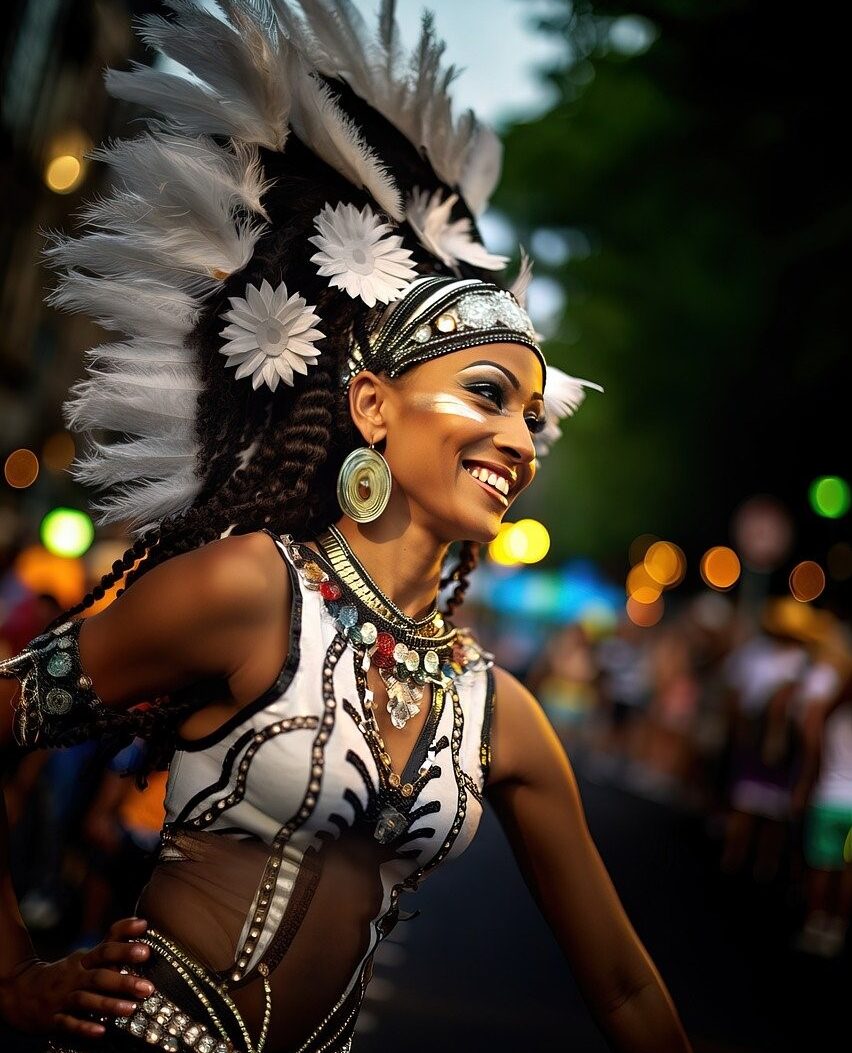
Carnaval transforms streets into living works of art.
Carnaval as a Mirror of Brazilian History and Geography
In rediscovering Brazil’s history, Carnaval reveals extraordinary sensitivity in portraying global traditions. It effortlessly transitions from tragedy to comedy, using culture and costumes as powerful tools of communication.
Brazil’s geography has long inspired composers and artists. Thousands of miles are traveled to experience its stunning beaches, emerald-green waters, the wonders of the Amazon rainforest, lush mountains and waterfalls, and the immense biodiversity of the Atlantic Forest — all part of the natural wealth of this continental nation.
Creativity, Business, and Social Transformation
From a business perspective, Carnaval highlights the importance of human resource development, creativity, and workforce readiness — essential pillars of competitive organizations. The business world increasingly recognizes that only a pleasant and inspiring environment produces excellence.
Even before the rise of the modern Third Sector, samba schools already carried social responsibility in their DNA. Through volunteerism, technology, and community initiatives, they have contributed to reducing social exclusion and fostering development.
Carnaval and the Future of Tourism
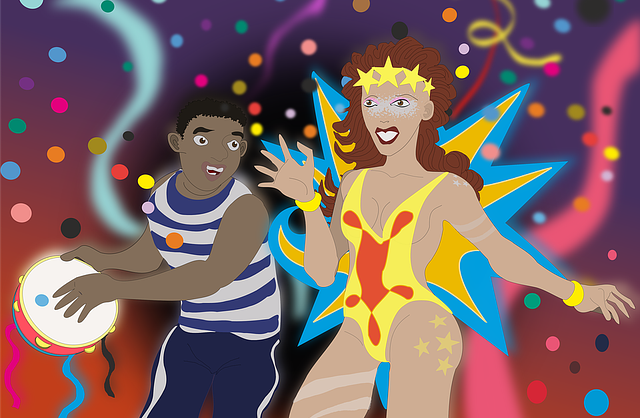
To understand Brazil, one must understand Carnaval.
Rising life expectancy, changes in global markets, and evolving lifestyles position tourism as one of the most promising industries of the future. Carnaval, with its energy, inclusivity, and creativity, stands at the center of this movement.
From the legendary beats of masters like Master André — drum note #10 — we close with a Carnaval shout:
Explore tourism, not the tourist.
FAQ – Brazilian Carnaval
1. Why is Brazilian Carnaval considered unique worldwide?
Because it combines music, visual arts, dance, history, and social participation in a single, democratic celebration.
2. What role do samba schools play in Carnaval?
They serve as cultural institutions that unite art, storytelling, community work, and social inclusion.
3. How is Carnaval connected to Brazil’s African heritage?
Many rhythms, especially samba, originate from African batuque traditions and Afro-Brazilian cultural expressions.
4. Is Carnaval important for Brazil’s economy?
Yes. It fuels tourism, job creation, cultural industries, and international visibility.
5. How does Carnaval reflect Brazilian identity?
It mirrors Brazil’s geography, history, creativity, and ability to transform joy into collective art.