Walking is one of the simplest and most powerful forms of exercise. Practiced regularly, it can reduce the risk of heart disease, diabetes, obesity and depression, while improving mental clarity, longevity and overall well-being.
By Vicke Quinlyn

Walking is one of the simplest and most powerful forms of exercise.
Walking is as natural as sunshine — simple, accessible, and often taken for granted.
From the first toddler steps to daily routines, walking is one of the most basic human movements, yet it holds extraordinary power to strengthen and extend life.
The best part?
It requires no equipment, no gym, and no cost — only commitment.
How to start walking safely and effectively
To make walking part of your routine, experts recommend a gradual and sustainable approach:
- Wear a comfortable pair of shoes
- Drink plenty of water before and after walking
- Start with 10 to 15 minutes per day
- Increase by 5 minutes per week
- Always include stretching before and after walking
Even small daily efforts can lead to major long-term health improvements.
Why daily exercise is more important than ever
Modern life has increased health risks globally.
Conditions such as:
- Obesity (especially in children)
- Heart disease
- Diabetes
- Depression
are rising at alarming rates.
According to the American Diabetes Association, more than 20.8 million people in the U.S. (7% of the population) live with diabetes.
The health benefits of walking
Regular walking is associated with powerful physical and mental benefits, including:
- Lower risk of heart disease
- Reduced risk of stroke and diabetes
- Lower incidence of certain cancers
- Improved mental health
- Increased longevity
- Better spiritual and emotional balance
Walking is not just exercise — it is preventive medicine.
Real-life stories: how walking changes lives
At the beach, Charlotte (74) shared her routine:
“I used to walk 3–5 miles almost every day when I was younger. Now I walk with a friend in the sand for about an hour, three days a week, and swim twice a week.”
Her routine reflects how adaptation keeps movement alive at any age.
Rhonda (34), a mother who survived breast cancer, says:
“I started incorporating walks almost every day. Walking with my daughter feels like seeing the world through her eyes.”
Walking became for her not only recovery, but emotional healing and connection.
Ron (49), a therapist, explains:
“Being in nature helps clear my mind and brings balance. I find it easier to stop and walk in a beautiful place than to force a workout.”
His experience highlights the importance of mental relief through movement in nature.
Heart disease and modern lifestyle risks
In the United States, someone suffers a fatal heart attack every minute.
Cardiovascular disease remains the leading cause of death for both men and women.
As explained by the American Heart Association, heart disease develops gradually through a process called atherosclerosis, where plaque builds up inside arteries over time — often beginning in childhood.
If untreated, this can lead to:
- Heart attacks
- Strokes
- Blood circulation failure

Exercise is good for staying healthy and young
Stress, depression and modern life pressure
Modern society — with its constant speed, convenience culture and pressure — has increased stress levels significantly.
Stress can lead to:
- Depression
- Sleep disorders
- Loss of concentration
- Physical exhaustion
Walking for just 30 minutes, five times a week can significantly reduce stress and improve emotional balance.
Walking improves mind, body and soul
Walking improves oxygen flow and circulation, helping the body function more efficiently.
Key benefits include:
- Better brain oxygenation
- Improved circulation
- Increased mental clarity
- Stronger emotional resilience
Even more importantly, walking becomes more effective when done socially:
- Walking buddies increase motivation
- Families build healthy habits together
- Children grow up with positive role models
Anywhere is a place to walk
Whether in:
- Mountains
- Beaches
- Parks
- Or simply outside your front door
The message remains the same:
Just put one foot in front of the other.
From California landscapes like Mount Whitney and Big Sur to everyday neighborhoods, walking is universally accessible.
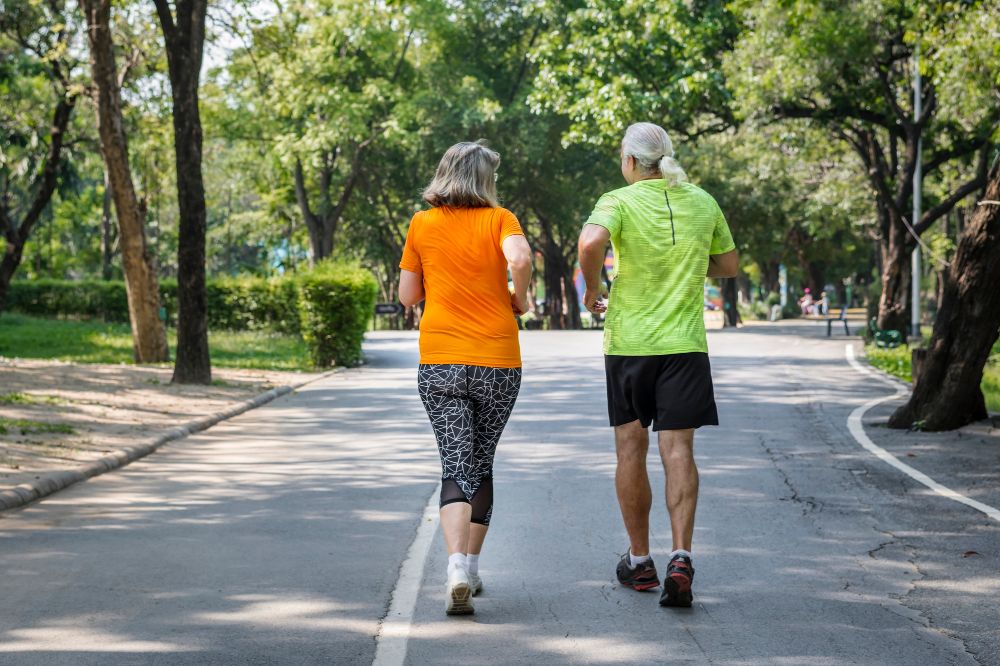
Just go for the walking of life!
Final message
Walking is simple, but its impact is profound.
It protects the heart, strengthens the mind, reduces stress, and extends life expectancy.
In a world driven by speed and pressure, walking is a return to balance.
FAQ – Frequently Asked Questions
1. How much should I walk per day to be healthy?
Experts recommend at least 30 minutes of walking, five times per week.
2. What are the main health benefits of walking?
Walking reduces risk of heart disease, diabetes, obesity, stroke, and depression.
3. Can walking improve mental health?
Yes. Walking helps reduce stress, anxiety and depression, improving emotional balance.
4. Is walking enough exercise alone?
For many people, yes. Walking is considered a low-impact but highly effective exercise.
5. Can walking help you live longer?
Studies show that regular walking improves cardiovascular health and longevity.