The Bahia Homeless Housing Project (PHDB) is a bold social initiative designed to offer housing, education, and opportunity to Brazil’s homeless population. Created by Erica Woods, an Afro-American deeply connected to Brazil, the project focuses on sustainability, accountability, and community-driven change. Rather than charity, PHDB promotes responsibility, dignity, and long-term empowerment. This interview explores the vision, challenges, and philosophy behind the project.
By Ana Paula Oliveira
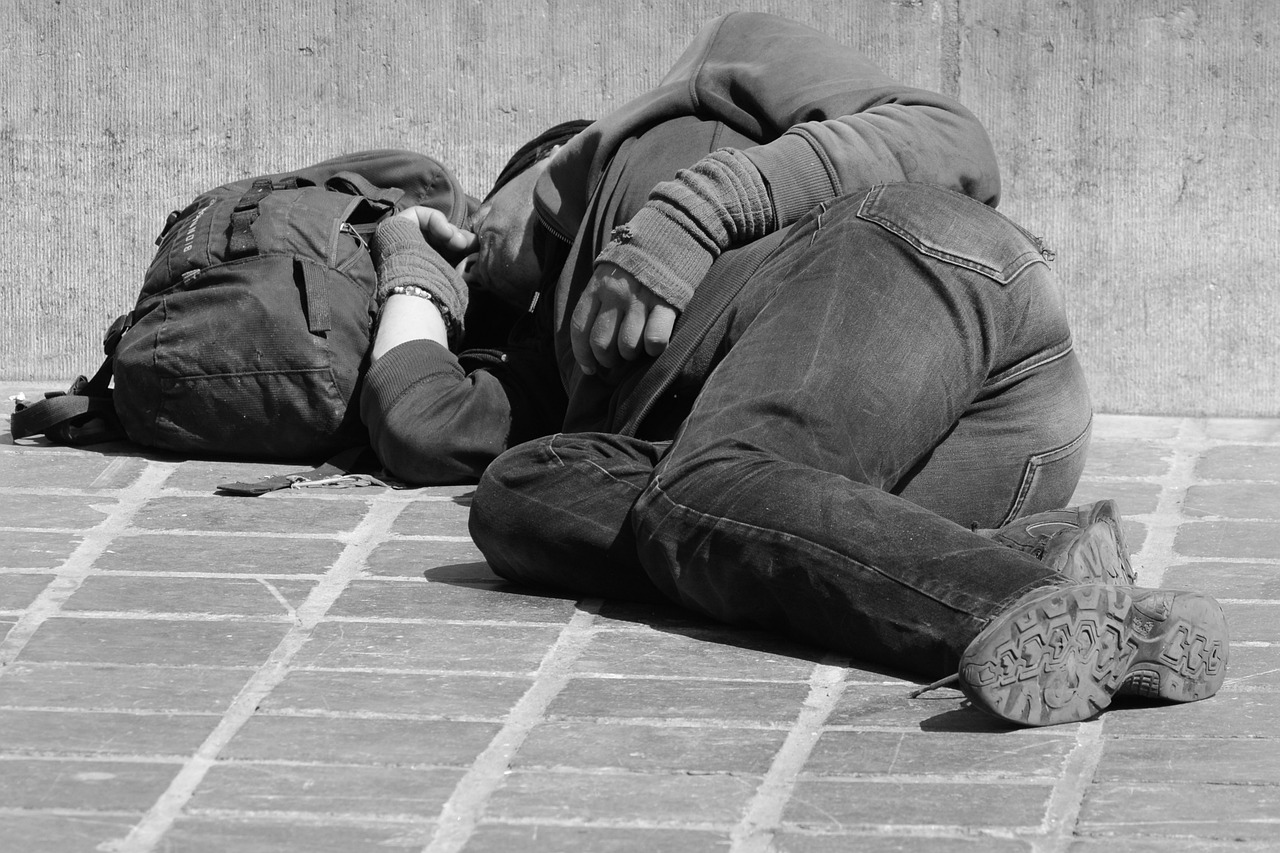
PHDB focuses on opportunity, not charity.
We interview Erica Woods, an Afro-American and devoted lover of Brazil, creator and director of the Projeto de Habitação dos Desabrigados da Bahia (PHDB) — the Bahia Homeless Housing Project. Through her nonprofit organization, Woods is developing a social housing model aimed at creating real, sustainable change in the state of Bahia, Brazil.
Why “Modern Times”?
Initially, tell us about the title you’ve chosen for this interview.
“Tempos Modernos” is one of my favorite songs. It opens with the line “Eu vejo a vida melhor no futuro” (“I see a better life in the future”) and ends with “Vamos viver tudo que há pra viver, vamos nos permitir” (“Let’s live all there is to live, let’s permit ourselves”). It felt appropriate.
How the project was born
I first traveled to Brazil in 1995. São Paulo intrigued me, Rio fascinated me — but Salvador felt like home before the plane even touched down. From that moment, I felt deeply committed to helping Bahia and her people… my people.
My first attempt involved taking money from a wealthy employer and giving it to friends in Brazil. It was a well-intentioned but bad idea that landed me in serious trouble — a story fully told in my book A Day Without Me.
Instead of ending my desire to help, it fueled it. I realized I was only putting a band-aid on a much larger problem. I spent years working with homeless organizations in Los Angeles, learning that in the U.S., there are many opportunities for homeless individuals to change their circumstances. In Brazil, I learned, that reality does not exist.
Listening to the streets of Salvador
For years, I wandered the streets of Salvador — talking to homeless people, buying meals and shoes for children, and teaching English to disadvantaged adults. I asked one simple question: What do you need to change your life?
The answer was always the same: “Opportunity.”
That’s when I knew my work would be about creating opportunities.
The birth of PHDB
The idea for PHDB came one afternoon as a daydream while driving home from yoga. The idea was terrifying: raise Brazilian funding, create housing and schools, build sustainable communities, and foster real change. I pulled over and wrote everything down. The more overwhelming it felt, the more excited I became.
I knew it would only happen once my sons were grown. For 12 years, they knew I would move to Brazil when the time came. Today, they are capable men — and now, I’m off to Bahia.
Why Bahia?
Bahia is the birthplace of Brazil. Just as humanity traces its roots to its first ancestors, Brazilians trace theirs to Bahia. For me, Bahia was the first place that ever truly felt like home.
I don’t see Bahia as a tourist destination. I see it as home, and I want my home to flourish — stronger, smarter, and more financially stable. That begins by uplifting people and giving them the chance to change their circumstances.
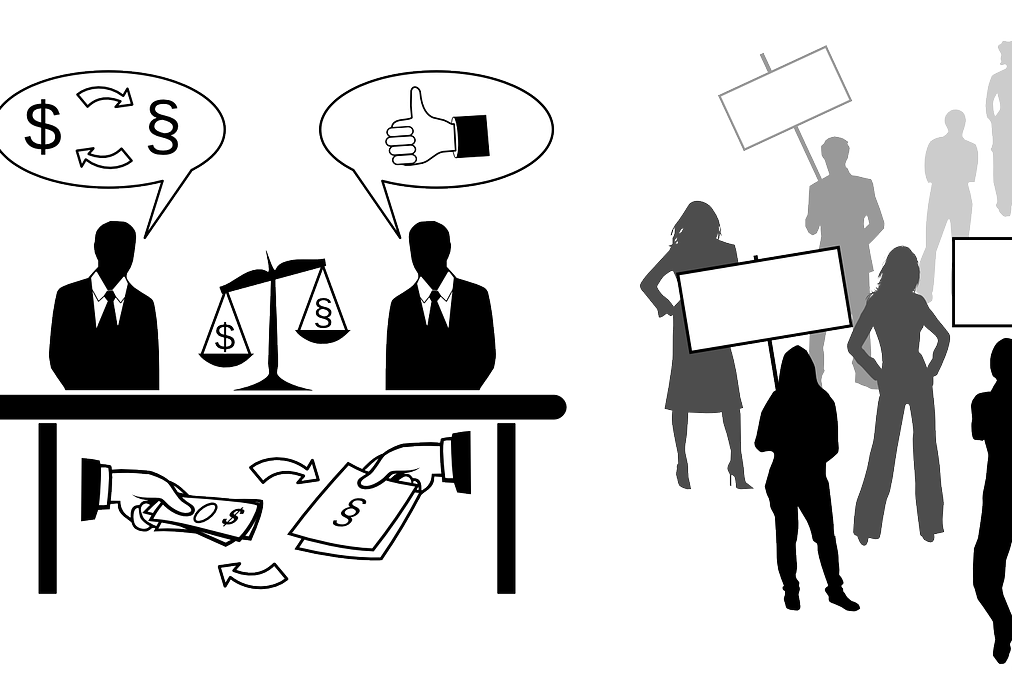
Local investment is essential for lasting social change.
Why Brazil?
Because it’s necessary. Brazil is one of the most powerful places on Earth — second only to Africa. That power exists whether or not it is fully realized. PHDB aims to help Brazilians reclaim that power through access to housing, education, employment, and healthcare.
PHDB is not a handout or shelter program. Every participant must work, grow, and actively change their circumstances to remain part of the community.
My motivation is love and gratitude. PHDB is my way of loving Brazil and saying thank you — to my ancestors, to life, and to the blessings I’ve received.
Why not foreign-only investors?
That model has never worked. Real, lasting change requires local participation. If Brazil does not invest in Brazilians, Brazil will fall — and when it does, everyone falls.
If you want proof, look at the United States: the middle class is disappearing, crime is rising, and communities are collapsing as jobs move overseas. Brazil does not have to follow that path.
Is this missionary work?
No. Missionaries come to “fix” what they believe is broken. Brazil is not broken. PHDB is simply a tool — offering people more choices. Any change that happens will be their choice, not ours.
How PHDB will work
On paper, it’s simple — though it will require immense work:
-
Purchase abandoned buildings in Salvador
-
Design and reconstruct with PHDB architects
-
Create sustainable spaces powered primarily by solar energy
-
Hire staff — from doctors to security guards
-
Screen homeless individuals willing to change their lives
-
Launch major fundraisers like O Navio Negreiro
After six months, the process repeats, expanding the community and its impact.
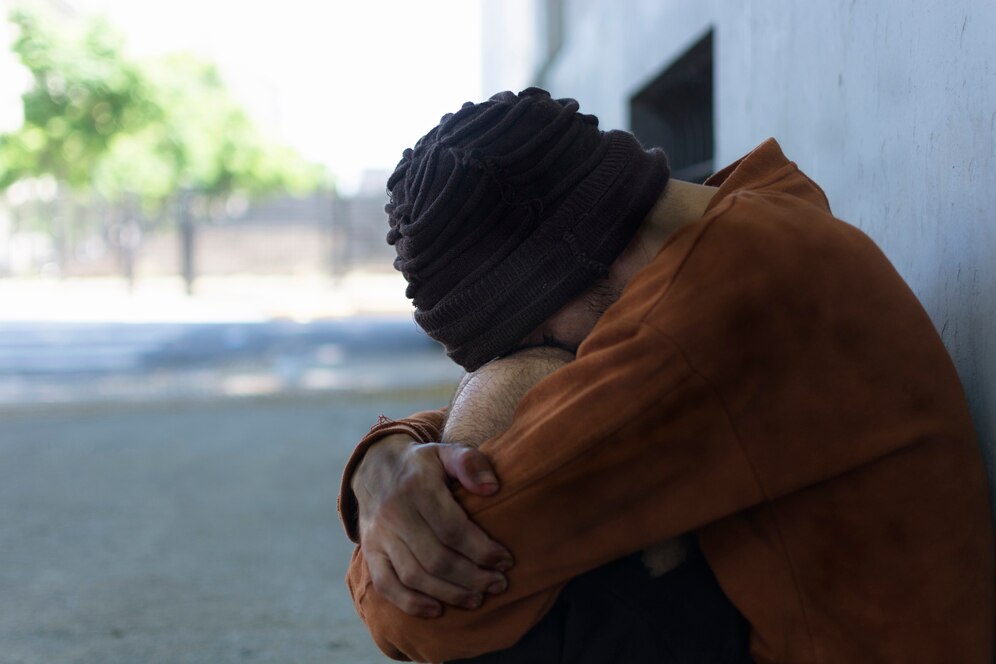
Sustainability and accountability are central pillars of the project.
Naïveté and realism
A small dose of naïveté is necessary to begin something new. Beyond that, PHDB will require hard work, patience, collaboration — and maybe a little good cachaça. I expect the unexpected, and I welcome it.
PHDB will not end homelessness — but it will offer something new in Bahia: choice.
Looking ahead
In 10 to 15 years, I hope PHDB will stand for Projeto de Habitação do Brasil, led by Brazilians. I envision myself consulting globally, helping replicate similar models elsewhere.
What PHDB needs
Support — funding, supplies, technology, partnerships. The more support PHDB receives, the more it flourishes.
What if it fails?
Then I will have tried. PHDB is my calling. Stepping up is what matters most.
Corruption and accountability
Corruption exists everywhere. Using it as an excuse breeds inertia. Accountability lives in people — like the great-grandmother who walks miles daily to support her family. That’s the accountability PHDB believes in.
PHDB will enforce transparency through strict checks, balances, and external audits. Anyone who steals from Brazilians has no place in PHDB.
Final thoughts
I don’t have all the answers — I’m simply open to every question, challenge, and adventure. I’m here to do my part.
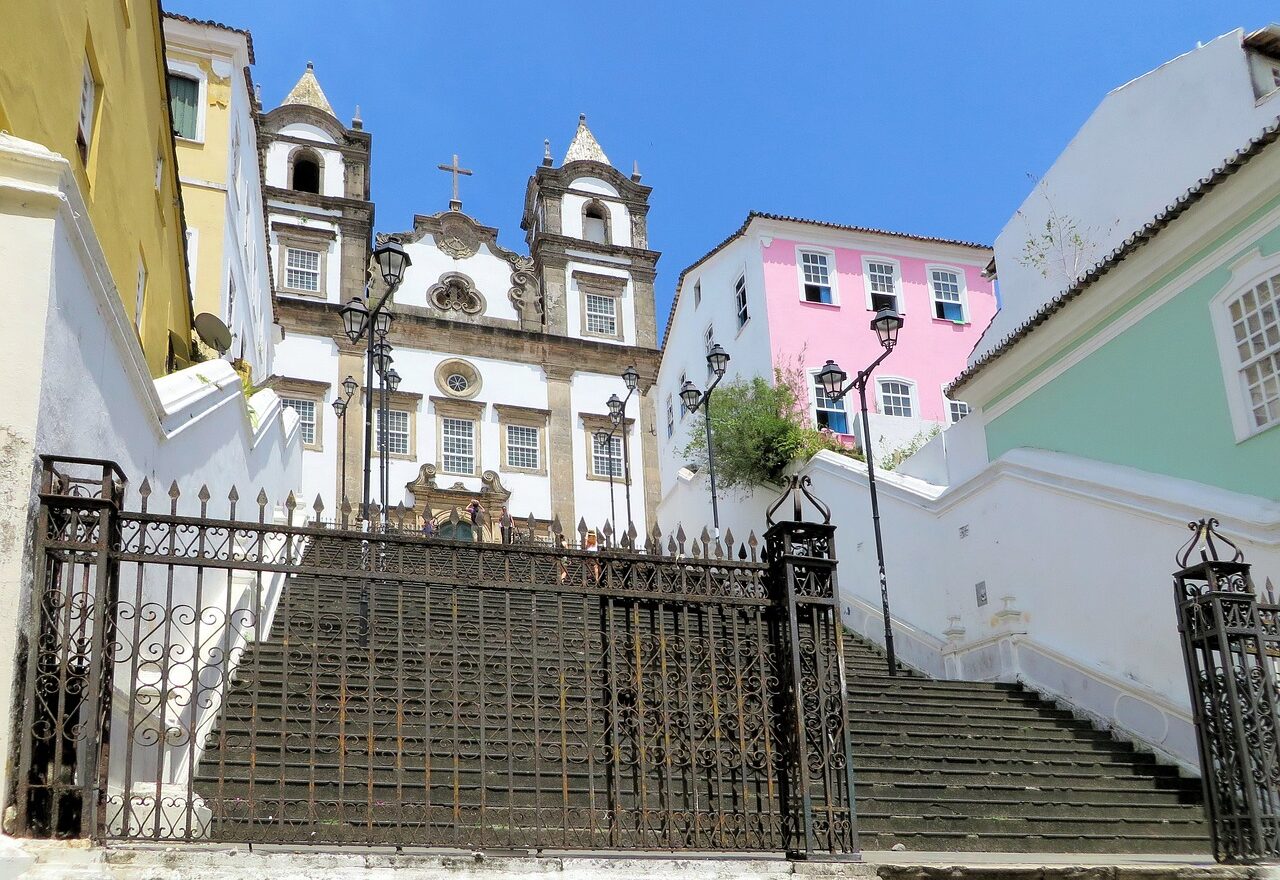
Bahia is both the symbolic and practical birthplace of PHDB.
FAQ – Frequently Asked Questions
1. What is the Bahia Homeless Housing Project (PHDB)?
A nonprofit initiative offering housing, education, work, and healthcare access to homeless individuals in Bahia.
2. Is PHDB a charity or shelter?
No. It is a responsibility-based community focused on long-term change.
3. Who funds PHDB?
Primarily Brazilian investors, with additional support from global partners.
4. How does PHDB prevent corruption?
Through strict audits, accountability systems, and external oversight.
5. Can this model be expanded beyond Bahia?
Yes. The long-term goal is national and global replication.