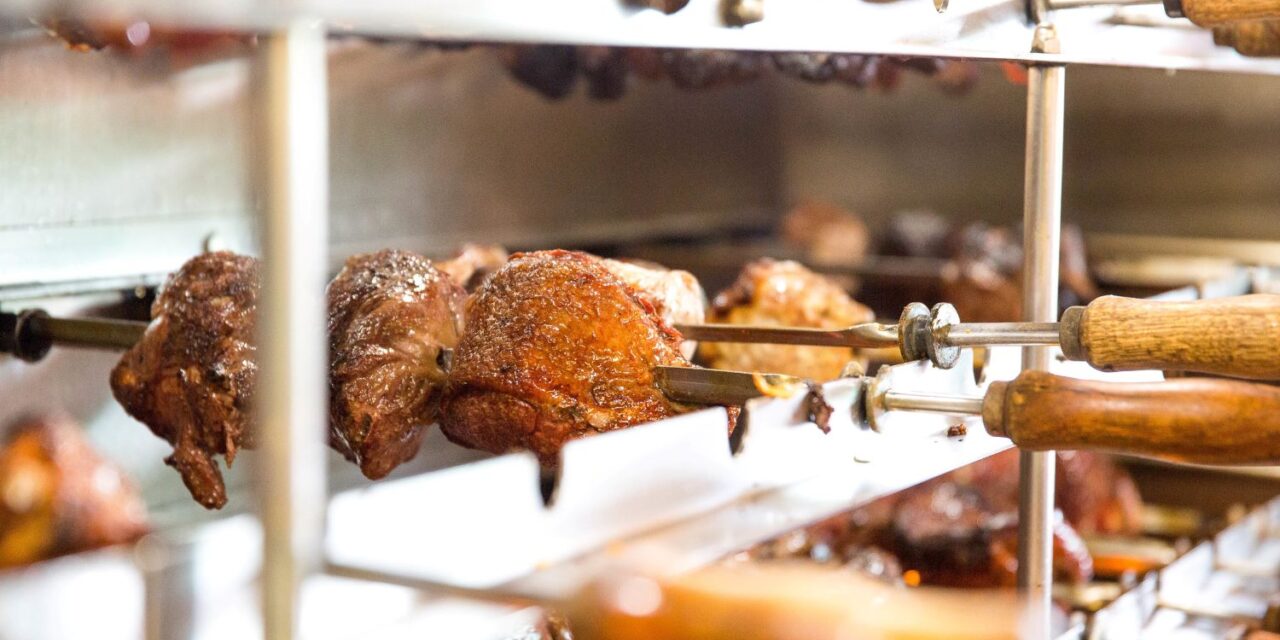
Brazilian churrascarias transformed a regional barbecue tradition into a worldwide dining phenomenon. Combining the all-you-can-eat rodízio service, premium cuts of meat, and Brazilian hospitality, these steakhouses have become some of the most successful restaurant concepts in the United States and beyond.
By Lindenberg Junior | English Edition: Jennifer Parker

Brazilian churrascarias transformed a regional barbecue tradition into a globally successful restaurant concept
The primitive barbecue played an important role in shaping what we now call community gathering and shared dining experiences. Over the centuries, barbecue traditions crossed borders and evolved in many different cultures. However, it was only about sixty years ago, under the name “Espeto Corrido” (continuous skewer service), that the concept developed into what is now recognized worldwide as the Brazilian Churrasco.
Using a remarkably simple approach—seasoning quality meats primarily with rock salt—combined with attentive service and the innovative rodízio format, Brazilian barbecue restaurants, known as churrascarias, created a dining experience unlike any other.
Over the years, churrascarias have refined their service model and become a globally recognized symbol of Brazilian gastronomy.
The Birth of the Rodízio Revolution
Since Americans popularized self-service restaurants and fast-food dining, few restaurant concepts have achieved the same level of international success as the Brazilian rodízio.
This uniquely Brazilian creation combines the excitement of a live meat-carving experience with the convenience of an all-you-can-eat buffet, offering an alternative to fast food while maintaining speed, variety, and quality.
The concept was designed for people with busy schedules who wanted a more enjoyable dining experience without spending hours in a restaurant. Guests can enjoy a sophisticated atmosphere while choosing from a wide variety of foods.
Instead of limiting diners to hamburgers or pizza, churrascarias typically offer expansive buffets featuring rice, beans, farofa (toasted cassava flour), fried bananas, hearts of palm, salads, and traditional Brazilian side dishes, alongside a continuous selection of beef, pork, chicken, lamb, and sausage.
A Unique Dining Experience
One of the defining characteristics of a churrascaria is that customers rarely need to order from a menu.
Waiters, traditionally dressed in the style of the gauchos of Southern Brazil, circulate throughout the dining room carrying large skewers of freshly grilled meats. They stop at each table and carve portions directly onto guests’ plates according to their preferences.
This interactive style of service has become one of the hallmarks of the Brazilian steakhouse experience and remains a major attraction for diners around the world.
From Southern Brazil to the World
The success of the churrascaria model has transformed Brazilian barbecue into a major export product.
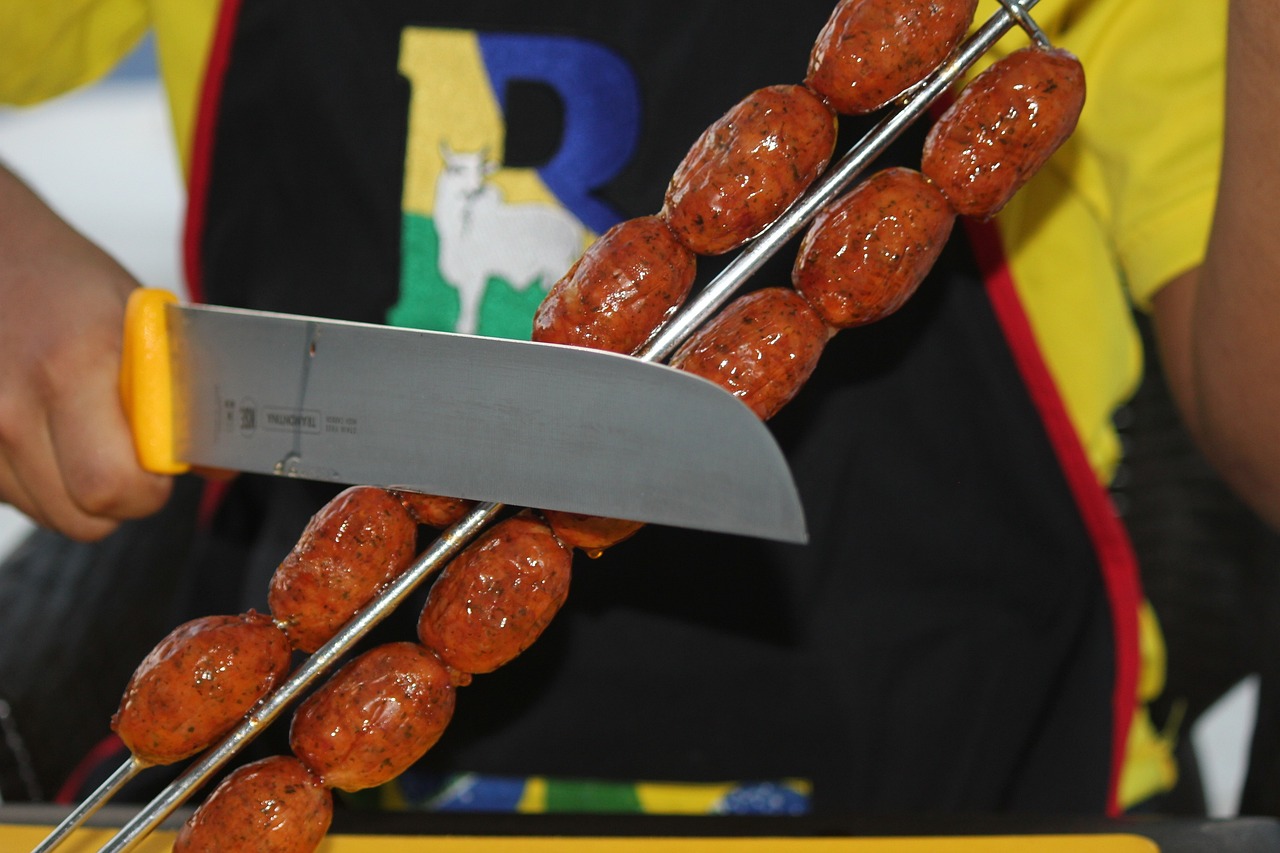
Churrasco originated in Rio Grande do Sul and is deeply connected to the gaucho culture of Southern Brazil
Over the last several decades, Brazilian steakhouses have expanded across multiple continents, particularly in the United States and Japan, where consumers have embraced the rodízio concept.
Among the most successful international brands is Fogo de Chão, which originated in the city of Porto Alegre in southern Brazil before growing into one of the most recognized Brazilian restaurant chains worldwide.
Likewise, the São Paulo-based chain Barbacoa has focused much of its international expansion efforts on the Japanese market.
The Origins of Brazilian Steakhouses
Most historians trace the emergence of churrascarias and rodízio service to the transition between the 1950s and 1960s.
The earliest Brazilian steakhouses were commonly found along highways in southern Brazil, serving truck drivers and travelers seeking hearty meals.
While there are several competing stories regarding the exact location of the first churrascaria, there is broad agreement that the concept originated in the southern state of Rio Grande do Sul, home of the gaucho tradition.
The grilling techniques, hospitality, and meat-focused cuisine of the gauchos provided the foundation for what would become one of Brazil’s most successful culinary exports.
Churrascarias in São Paulo and Southern California
Today, the city of São Paulo is home to dozens of churrascarias, including some of the country’s most prestigious establishments.
Meanwhile, Southern California has become one of the largest hubs for Brazilian steakhouses in the United States. Popular destinations include Green Field, Rei do Gado, Fogo de Chão, and By Brazil, all of which helped introduce authentic Brazilian barbecue to American audiences.
In addition to traditional rodízio restaurants, some establishments have adapted the concept to a more casual format. Restaurants such as Pampas Grill offer Brazilian barbecue and traditional dishes through a pay-by-weight (kilo) system, a dining style commonly found throughout Brazil.
Why Churrascarias Continue to Thrive
The enduring popularity of churrascarias stems from their ability to combine several elements diners value most:
- Premium grilled meats
- All-you-can-eat convenience
- Fast yet personalized service
- Interactive dining experiences
- A festive and social atmosphere
As Brazilian cuisine continues to gain recognition worldwide, churrascarias remain one of the country’s most successful gastronomic exports and a symbol of Brazil’s rich culinary heritage.
FAQ – Frequently Asked Questions
1. What is a churrascaria?
A churrascaria is a Brazilian steakhouse that specializes in grilled meats served continuously in the rodízio style.
2. What does rodízio mean?
Rodízio is an all-you-can-eat dining format where servers continuously bring different cuts of meat directly to guests’ tables.
3. Where did Brazilian churrasco originate?
Brazilian churrasco originated in the southern state of Rio Grande do Sul, home of the gaucho cattle-ranching tradition.
4. Why are Brazilian steakhouses popular in the United States?
They combine premium meats, buffet-style dining, personalized service, and a unique dining experience that differs from traditional American restaurants.
5. What foods are typically served at a churrascaria?
Most churrascarias offer beef, pork, chicken, lamb, sausage, rice, beans, farofa, salads, hearts of palm, and other Brazilian side dishes.