
Stress affects almost everyone, but chronic stress can have lasting consequences for the body. Learn how the stress response can affect vital systems, including the brain, gastrointestinal tract, cardiovascular system and immune system — and discover practical ways to reduce everyday stress.

Chronic stress can have lasting effects on multiple systems throughout the body.
You should know that stress affects just about everyone’s daily lives. In this article, we will explain how stress can affect your body in ways that may have a long-lasting impact on your health.
Let’s go step by step so you can better understand some of the ways stress can affect your health and your vital organs.
Stress and Your Brain
Stress can cause you to lose concentration and memory abilities. Whether this is psychological or physiological is not completely clear.
When you are under stress, parts of your brain associated with memory, such as the hippocampus, do not work as well, and you may have difficulty turning short-term memories into long-term memories.
You can also have trouble concentrating on things you hear or read.
When you are under stress, you can easily feel these effects, right? However, it isn’t clear whether they are long-term or short-term effects. Research suggests that stress-reduction techniques may help restore your ability to think and concentrate.
Stress and Your Gastrointestinal Tract
Stress triggers the body’s fight-or-flight response, causing the release of epinephrine and norepinephrine from the adrenal glands. These hormones produce multiple effects throughout the body.
One of the things this response does is redirect blood away from the gastrointestinal tract and toward the muscles, preparing the body to “fight or flee” from a real or imagined opponent.
This can lead to decreased blood flow to the gastrointestinal tract, which may contribute to indigestion and poor nutrient absorption.
Fortunately, these effects can be short-lived unless you are living with situations of chronic stress. In that case, the gastrointestinal system can be affected more persistently.
Stress and Your Cardiovascular System
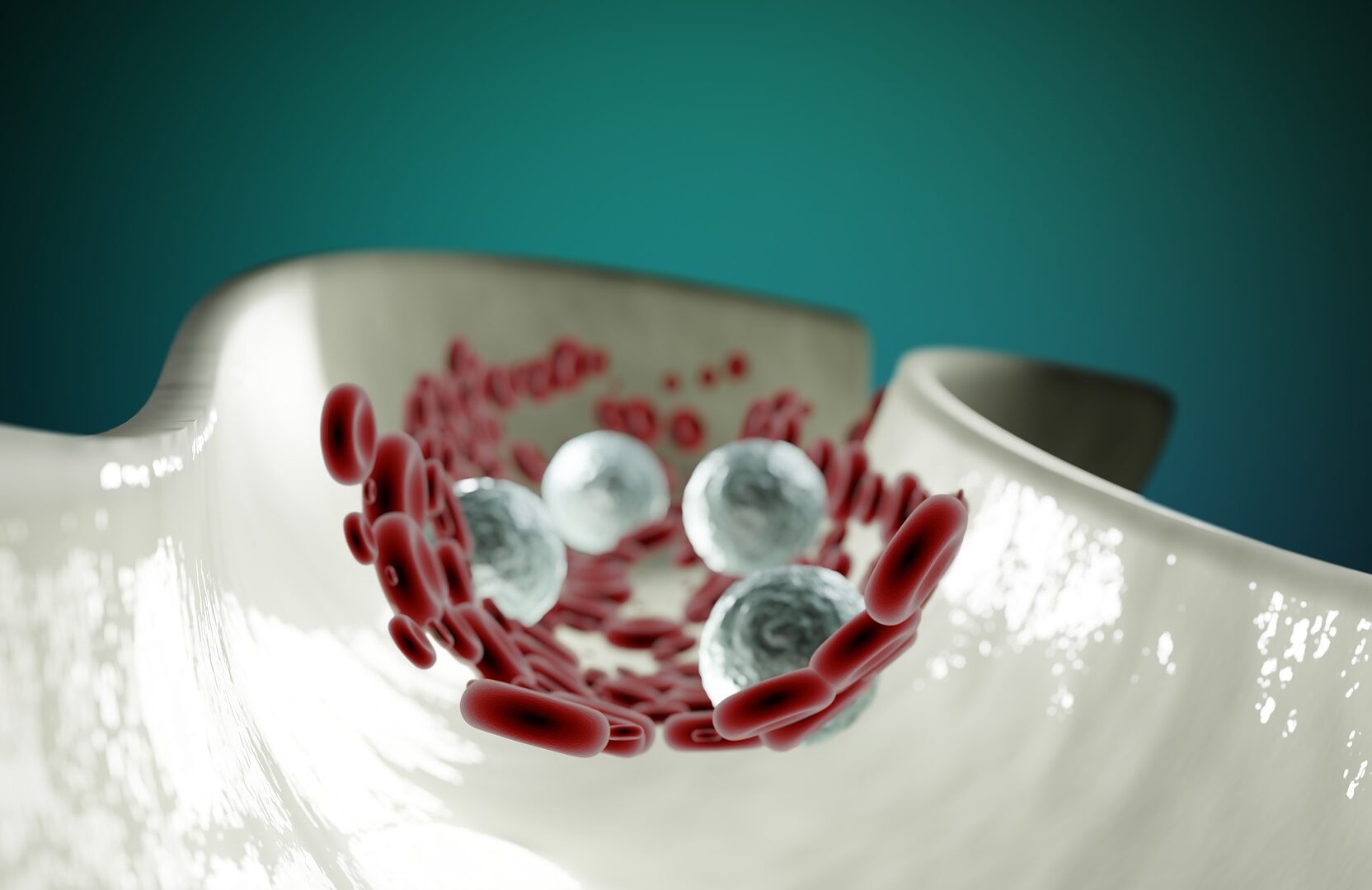
Stress hormones can increase heart rate and blood pressure, placing additional demands on the cardiovascular system.
Stress causes the release of epinephrine and norepinephrine, which automatically raises blood pressure and heart rate.
This puts additional stress on the heart and may increase the risk of hypertension-related diseases, including heart failure, stroke and heart attack.
These conditions do not happen overnight. However, when you experience chronic stress, the long-term implications for cardiovascular health can be serious, particularly when combined with other risk factors such as an unhealthy diet or a strong family history of heart disease.
Chronic stress can be associated with an increased risk of conditions including heart disease, peripheral vascular disease, heart failure and stroke.
Stress and Your Immune System
Excessive stress also causes the release of cortisol from the adrenal cortex. Cortisol has many effects on the body, but one of the main effects discussed here is its ability to suppress aspects of the immune system.
High levels of cortisol may make you more vulnerable to illnesses such as colds and the flu and can make it harder for the body to heal from open sores, cuts or wounds.
Because cortisol can suppress several aspects of the immune response, you may find yourself getting sick more often when experiencing significant stress than you would during periods of lower stress.
How to Reduce Stress and Protect Your Well-Being
Because stress can wreak havoc on your body, it is important to do what you can to lessen stress in your life so you can remain healthy.
Sometimes, reducing stress is simply a matter of identifying and addressing the things in your life that are major sources of stress.
It might mean getting out of a stressful relationship, getting your finances in order or changing your job situation so that you do not go to work each day carrying stressful feelings.
What If You Cannot Change Your Circumstances?
If you cannot change your circumstances, you may want to practice stress-relieving techniques.
These can include:
- Meditation
- Tai chi
- Yoga
- Qi gong
- Spending time in nature
- Taking a vacation or intentionally taking time away from daily pressures
These activities can be learned through classes at a local health club or by using educational materials that teach the practices.
Another great way to reduce stress is to take a vacation or spend time in nature, which can naturally help calm the mind, body and spirit.
Frequently Asked Questions – FAQ
1. How does stress affect the body?
Stress activates the body’s stress response, releasing hormones such as epinephrine, norepinephrine and cortisol. These hormones can affect several systems, including the brain, gastrointestinal tract, cardiovascular system and immune system.
2. Can stress affect memory and concentration?
Yes. Stress can interfere with concentration and memory. During periods of stress, brain regions involved in memory, including the hippocampus, may not function as effectively, making it harder to process and retain information.
3. Can stress cause digestive problems?
Stress can affect the gastrointestinal tract by triggering the fight-or-flight response and redirecting blood flow toward the muscles. This may contribute to indigestion and difficulties with nutrient absorption. Chronic stress can make these effects more persistent.
4. How does chronic stress affect the heart?
Stress can increase heart rate and blood pressure through the release of stress hormones such as epinephrine and norepinephrine. Chronic stress, particularly alongside other cardiovascular risk factors, may contribute to long-term cardiovascular health problems.
5. What are some ways to reduce stress?
Stress can sometimes be reduced by addressing major sources of stress in daily life. When circumstances cannot be changed, practices such as meditation, yoga, Tai chi, Qi gong, vacations and spending time in nature may help promote relaxation and well-being.