Excessive worrying can affect both mental and physical health, increasing stress and anxiety. These five practical techniques—from journaling to exercise and better nutrition—can help you develop healthier coping habits and regain peace of mind.

Most worries involve situations beyond our control, and learning to recognize this can help reduce unnecessary stress.
Constant worrying is something most people experience, but when it becomes excessive, it can take a serious toll on both mental and physical health. Many of our worries involve situations that are beyond our control, creating a cycle of stress, anxiety, and emotional exhaustion that often makes problems feel even bigger than they really are.
While it’s impossible to eliminate worry completely, adopting healthy habits can help you manage anxious thoughts more effectively. Here are five practical techniques that may help you reduce unnecessary worrying and improve your overall well-being.
1. Keep a Worry Journal
One of the most effective ways to understand your anxiety is to write it down.
Record the things you worry about each day, then revisit those concerns later to see whether they actually happened or whether your worrying changed the outcome.
Many people discover that most of their worries never materialize and that worrying itself rarely solves problems. A journal can also reveal how much time and emotional energy is being consumed by concerns that are outside your control.
Writing your thoughts down helps create perspective and allows you to recognize recurring patterns that contribute to unnecessary stress.
2. Let Go of the Fear of Missing Out (FOMO)
The Fear of Missing Out (FOMO) has become increasingly common in today’s hyper-connected world.
Social media constantly exposes us to vacations, parties, achievements, and experiences that can make us feel like we’re falling behind. The reality, however, is that no one can be everywhere or do everything.
The next time you feel anxious about missing an event or opportunity, remind yourself that every choice involves saying no to something else. Focusing on your own experiences instead of comparing yourself with others can significantly reduce unnecessary worry.
3. Improve Your Diet
Your brain and body depend on proper nutrition to function at their best.
Research has shown that deficiencies in nutrients such as vitamin B12 and folate (vitamin B9) may contribute to symptoms of anxiety and depression in some individuals. Likewise, diets high in ultra-processed foods often lack essential vitamins, minerals, and antioxidants needed for optimal brain health.
Eating a balanced diet rich in fruits, vegetables, whole grains, lean proteins, and healthy fats can support emotional well-being while helping your body respond more effectively to stress.
4. Put Your Sense of Smell to Work
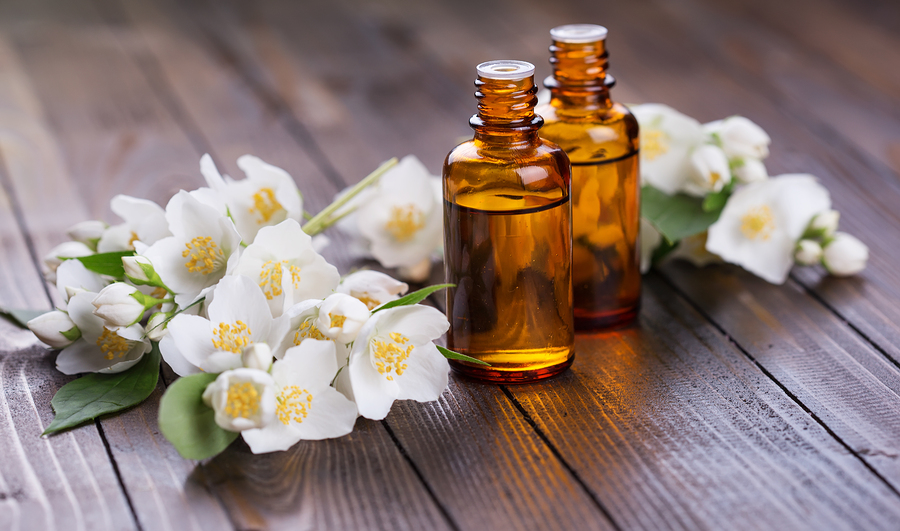
Aromatherapy has been used for centuries to promote relaxation and emotional balance.
Certain scents can influence how your brain responds to stress. Citrus fragrances—such as grapefruit, orange, and lemon—are often associated with increased alertness, energy, and positive mood, while lavender and chamomile are commonly used to encourage relaxation.
Although aromatherapy is not a substitute for medical treatment, pleasant aromas can be a helpful addition to a broader self-care routine.
5. Get Moving
Physical activity is one of the most powerful natural stress relievers available.
Whether it’s walking, dancing, cycling, swimming, or going to the gym, exercise stimulates the release of endorphins and other neurotransmitters that improve mood, reduce anxiety, and increase feelings of well-being.
Regular movement also improves sleep quality, boosts self-confidence, and helps your mind shift its attention away from repetitive worrying.
You don’t need an intense workout—even a short daily walk can make a noticeable difference.
Cultivate Positivity and Inner Peace
Alongside healthy daily habits, maintaining a positive outlook can help you better manage life’s uncertainties.
Practices such as prayer, meditation, mindfulness, and deep breathing exercises encourage emotional balance and may reduce stress over time. While they cannot eliminate every challenge, they can strengthen your ability to respond with greater calm, resilience, and perspective.
If persistent worry begins interfering with your work, relationships, sleep, or daily activities, consider seeking support from a qualified mental health professional.
Frequently Asked Questions (FAQ)
What causes excessive worrying?
Excessive worrying can be triggered by stress, uncertainty, major life changes, financial concerns, health issues, personality traits, or anxiety disorders. Sometimes, it develops from a combination of several factors.
Can worrying affect physical health?
Yes. Chronic worry may contribute to headaches, muscle tension, digestive problems, sleep disturbances, fatigue, elevated blood pressure, and a weakened immune system.
Does exercise really help reduce anxiety?
Yes. Physical activity stimulates the release of endorphins and other brain chemicals that improve mood, reduce stress hormones, and promote relaxation.
Can diet influence anxiety levels?
A nutritious diet supports healthy brain function. While food alone cannot cure anxiety, deficiencies in certain nutrients and diets high in processed foods may contribute to mood changes in some people.
When should I seek professional help for anxiety?
If worrying becomes overwhelming, persists for several weeks or months, or interferes with work, relationships, or daily life, it’s important to consult a healthcare or mental health professional for proper evaluation and support.