Just 40 minutes from Recife, Cabo de Santo Agostinho offers Brazilian travelers a rare combination of adventure, history, eco-tourism, and natural therapy. From hidden beaches and Atlantic Forest reserves to volcanic rock formations and therapeutic clay baths, Pernambuco’s Golden Coast is a destination where nature meets healing.
By Lindenberg Junior / Translation: Magali da Silva
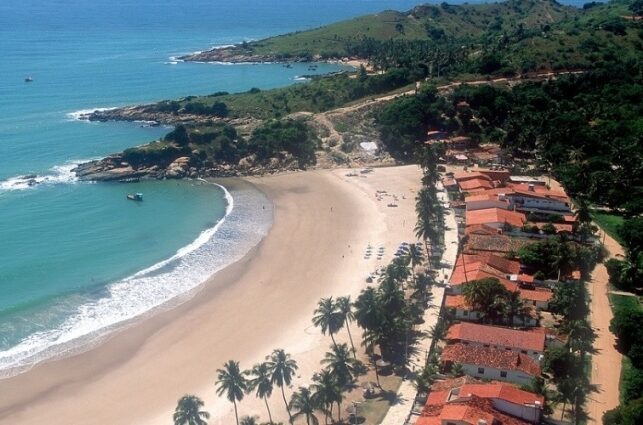
Aerial view of Gaibu beach in the city of Cabo de Santo Agostinho. Photo: Courtesy of the Pernambuco Secretary of Tourism.
An aerial view of Gaibu Beach in Cabo de Santo Agostinho reveals one of Pernambuco’s most breathtaking coastal landscapes.
On a beautiful Saturday afternoon, I left Recife and drove 40 minutes south toward Cabo de Santo Agostinho, seeking relaxation and reunion with an old friend. My destination was the charming Orchid Posada, located in the small fishing village of Suape Beach.
The region carries deep historical roots, marked by colonial churches, sugar cane mills, and forts that witnessed fierce 17th-century battles between the Portuguese and the Dutch. Some of these structures still stand — others rest in ruins, whispering stories of Brazil’s colonial past.
Tourism in the region thrives thanks to its stunning coastline, preserved mangrove reserves, and the still-lush Atlantic Forest. My weekend would be dedicated to reconnecting with nature through:
-
Bodyboarding
-
Kayaking
-
Ecological hiking
-
Meditation
-
Fresh coconut water
-
Abundant seafood
-
A therapeutic experience in a natural clay pool
Hospitality at Orchid Posada
Fernando de Paiva Melo — known as “Murrinha” in Northeastern Brazil’s surfing community — welcomed me warmly. A well-known figure in Recife during the 1980s and 1990s, he now considers himself an “urban exile” devoted to surfing and diving. Since 1983, he has lived in the area and today participates in the Cabo Tourism Council.
From the posada’s spacious balcony, the scenery was mesmerizing: calm waters, a small island, coconut palms, and a nearby river.
Our conversations ranged from surfing and spirituality to Brazilian history. Inspired, Murrinha prepared dinner: colorful salad, Brazilian seafood risotto, and pumpkin quibebe.
That night, in the silence of the living room hammock, sleep came easily.
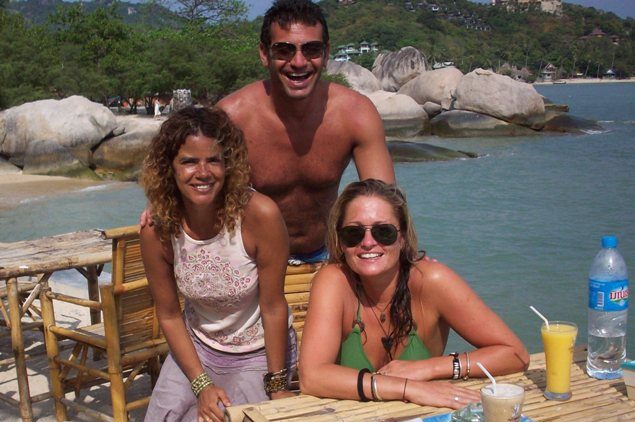
Pernambuco’s Golden Coast is a destination where leisure, spirituality, and adventure meet
Sunrise and a Natural Energy Boost
At 5:30 a.m., I woke to a rooster’s call. By 6:30, I was walking along the beach, camera in hand.
Breakfast was unforgettable: coconut tapioca and a powerful natural smoothie made with guaraná syrup, peanut and chestnut powder, flaxseed, oyster powder, celery, and apple. A true energy boost to start the day strong.
Paradise Beach and the Golden Coast Route
We headed to Paradise Beach, between Suape and the Cabo Lighthouse (Brazil’s second easternmost point). This hidden gem features:
-
Dense tropical vegetation
-
Volcanic rock formations
-
Natural tide pools
-
Panoramic views of Tatuoca and Cocáia Islands
Often described as one of Brazil’s most exotic beaches, it offers rustic beachfront bars serving fresh seafood and cold Brazilian beer.
From there, we followed the Golden Coast Route to Itapuama for bodyboarding before heading to Sítio Ecológico 2 Lagoas, just two miles inland.
Sítio Ecológico 2 Lagoas: Deep Connection with the Atlantic Forest
Owned by another old friend, Fred Negão, this ecological reserve invites visitors to immerse themselves in nature.
Activities include:
-
Fishing
-
Hammock relaxation areas
-
Ecological trails
-
Climbing Murici Mountain for panoramic views
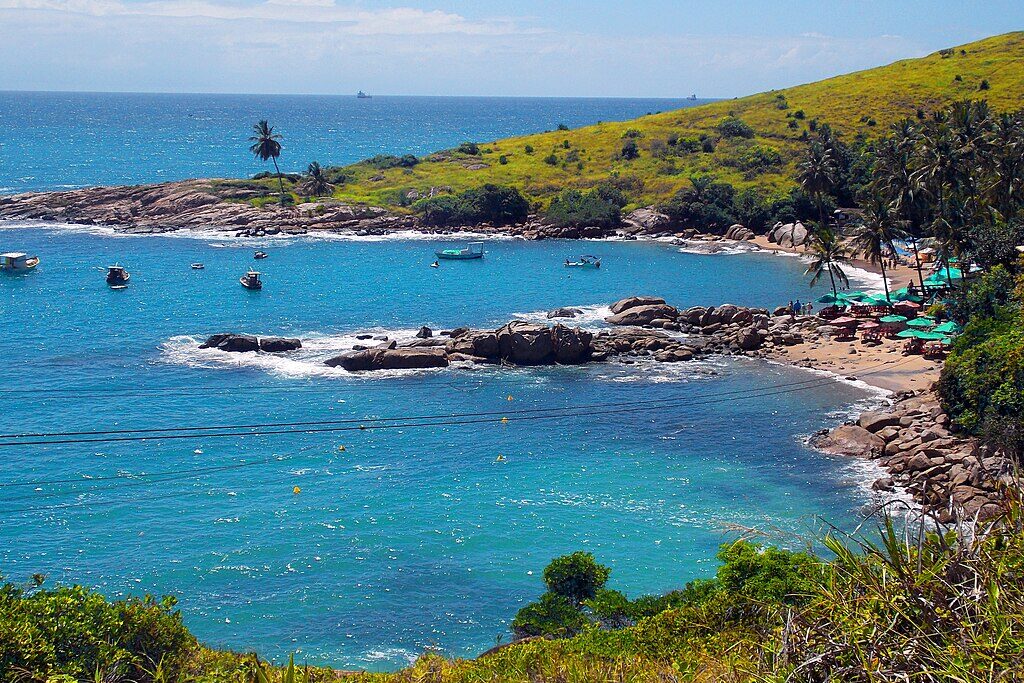
Cabo de Santo Agostinho coast in Pernambuco has a lot to offer, including leisure, fun and adventure!
The forest hosts important native trees such as:
-
Angelim (used in rustic furniture)
-
Visgueiro (one of the tallest Atlantic Forest species)
-
Imbiriba (used to make the berimbau instrument)
-
Praíba (used for artisan violins, “rebeca”)
The reserve attracts biologists, therapists, yogis, and nature enthusiasts. However, Fred also noted ecological imbalance caused by the disappearance of tamanduás (anteaters), leading to termite and ant overpopulation.
Therapeutic Mud Bath Experience
To close the day, we visited the Banho de Lama Project in Itapuama.
Visitors immerse themselves in a natural clay pool, allow the clay to dry on their bodies for about 30 minutes, then walk toward the sea to rinse off.
Used since ancient times by cultures such as Vietnamese communities and Amazonian Indigenous groups, clay therapy is scientifically recognized for:
-
Detoxifying the skin
-
Revitalizing tissues
-
Stimulating blood circulation
Beaches and Attractions Along Pernambuco’s Golden Coast
Calhetas
A small beach framed by coconut trees and Atlantic Forest remnants. Often ranked among Brazil’s ten most beautiful beaches — truly the “Emerald of Pernambuco.”
Gaibu
Historically a slave port, today it offers small hotels, nightlife, natural pools at low tide, and strong waves at high tide.
Itapuama
Meaning “Pretty Rock” in Tupi-Guarani, it features volcanic rock formations and excellent surfing conditions.
Suape
Historic battleground and today home to one of Brazil’s largest industrial port complexes. At low tide, ruins of a submerged fort become visible.
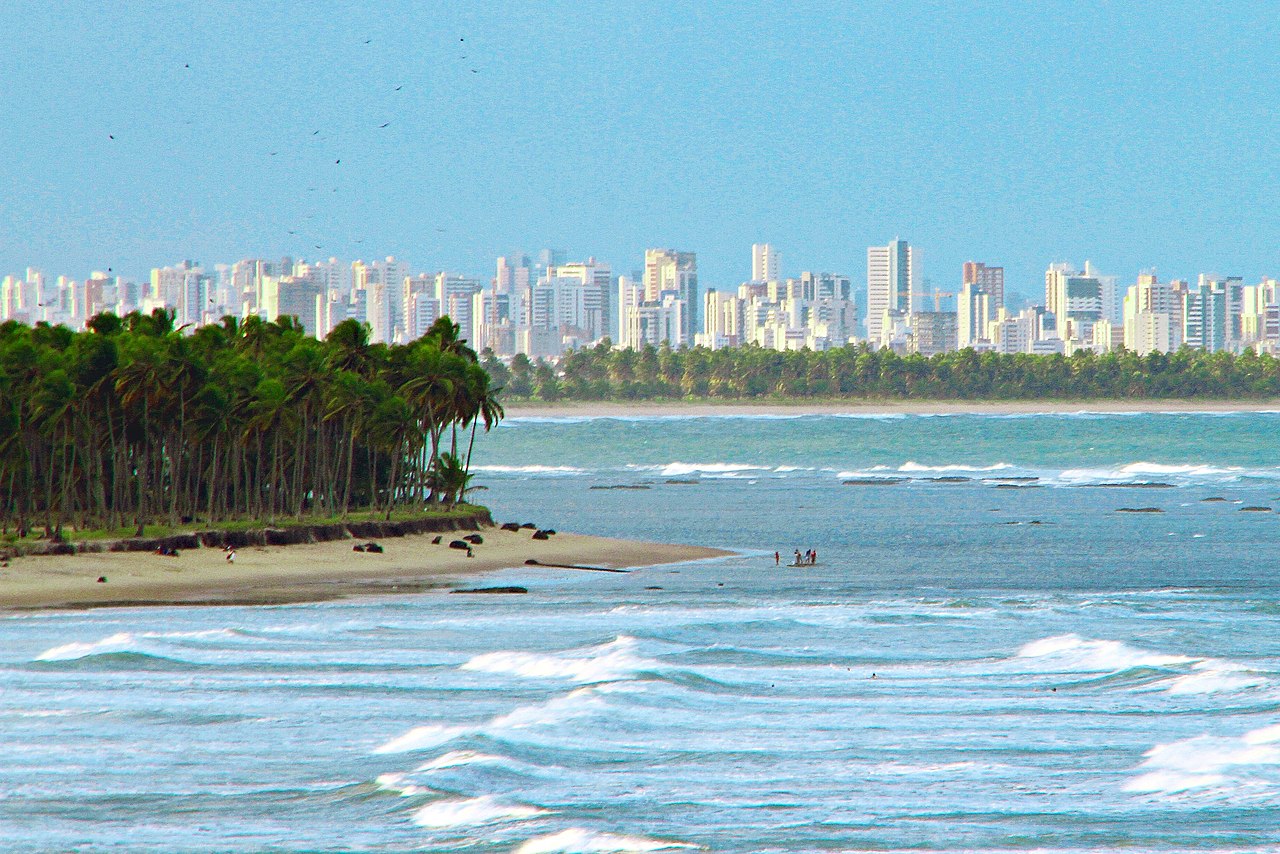
Paradise Beach is considered one of the most exotic coastal landscapes in Brazil.
Cultural Highlights
-
Festa das Lavadeiras (May 1)
-
Festa do Bom Jesus dos Passos (February)
-
Festa de Santo Agostinho (August)
Other attractions include sugar plantations, Pedra da Pimenta Lighthouse, Gurjaú Waterfall, and the Fens Biological Reserve.
* For airfare from the United States to Brazil or Latin America, customized travel packages, alternative accommodations, as well as travel planning consultation please visit our travel agent page or contact Magali da Silva directly by phone or whatsapp: 1(323)428-1963.
FAQ – Frequently Asked Questions
1. Where is Cabo de Santo Agostinho located?
It is located about 40 minutes south of Recife, in the state of Pernambuco, Brazil.
2. What makes the Golden Coast of Pernambuco special?
Its combination of preserved Atlantic Forest, volcanic rock beaches, natural pools, historical forts, and eco-therapy experiences like mud baths.
3. Is the mud bath scientifically proven?
Yes. Clay therapy has documented detoxifying and circulation-stimulating properties.
4. What are the best beaches near Recife?
Calhetas, Gaibu, Itapuama, Suape, and Paradise Beach are among the top choices.
5. Is Cabo de Santo Agostinho good for eco-tourism?
Absolutely. It offers hiking trails, kayaking, forest reserves, wildlife observation, and sustainable tourism