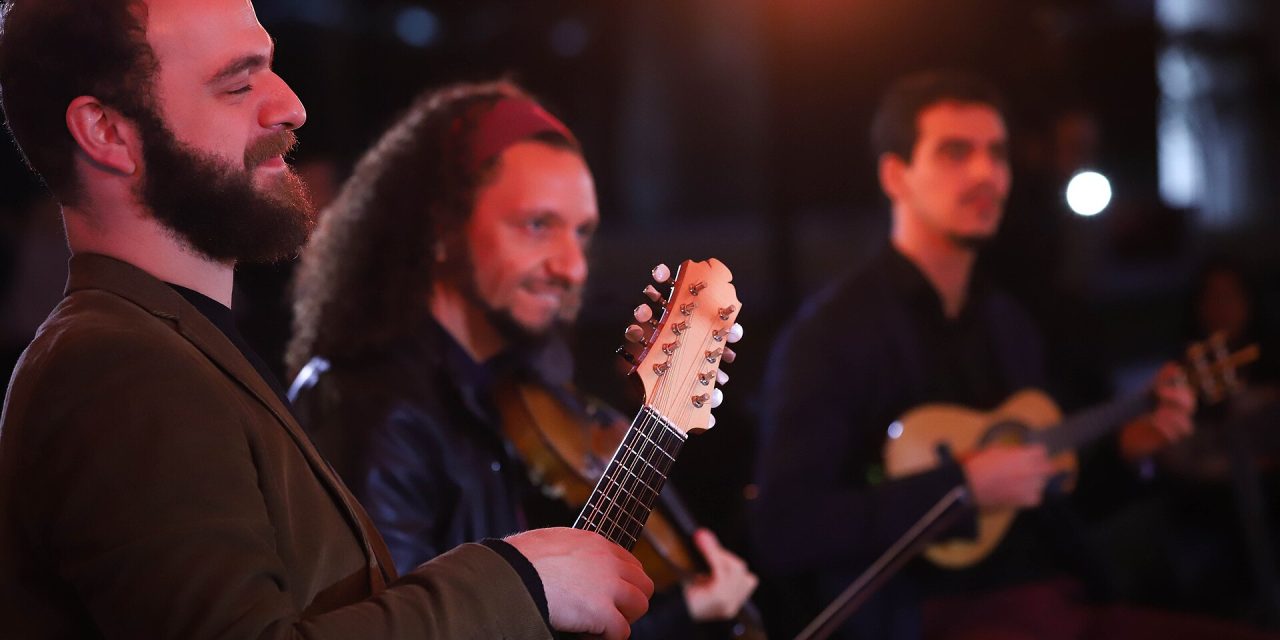
From its 19th-century roots in Rio de Janeiro to its growing international presence, Brazilian choro combines instrumental virtuosity, improvisation and cultural heritage. Discover the music, legendary composers and traditions behind one of Brazil’s most distinctive musical genres.
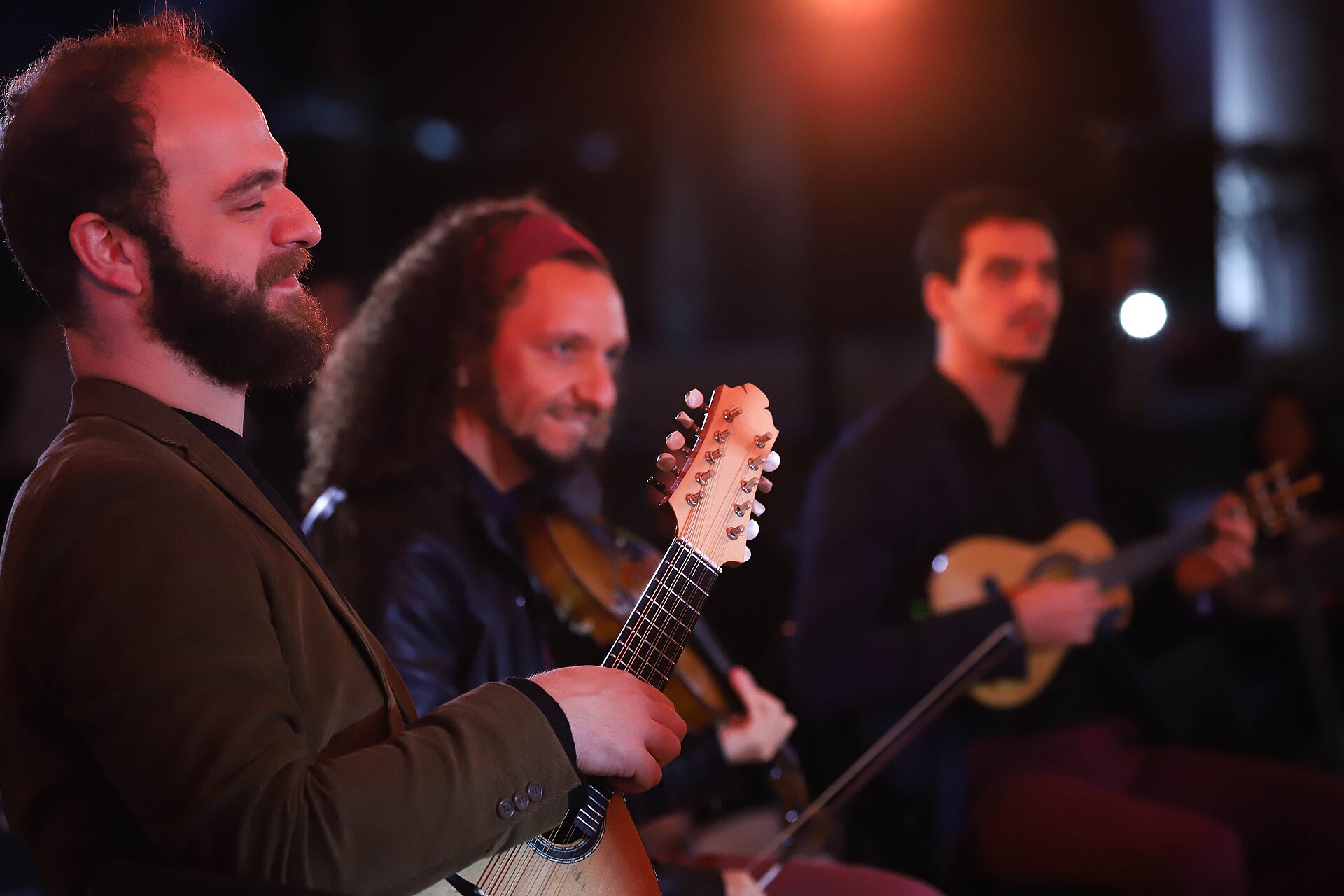
Brazilian musicians celebrate the legacy of Jacob do Bandolim during a choro concert at the Memorial da América Latina in São Paulo, Brazil, in 2019. Photo by Gilberto Marques|Wikimedia Commons
What is Brazilian choro, and why is it important?
Brazilian choro is a musical genre that originated in 19th-century Rio de Janeiro, combining European melodies with Afro-Brazilian rhythms and local musical traditions. Known for instrumental virtuosity, improvisation and communal gatherings called rodas de choro, it predates urban samba and bossa nova. In 2024, choro was officially recognized as part of Brazil’s intangible cultural heritage.
Long before bossa nova captivated American jazz audiences and samba became an international symbol of Brazilian culture, another musical tradition was taking shape in the streets and neighborhoods of Rio de Janeiro. Known as choro, or affectionately as chorinho, this remarkably expressive genre brings together intricate melodies, sophisticated harmonies, rhythmic energy and spontaneous musical dialogue. For international listeners who appreciate jazz, acoustic music or classical guitar, choro offers a fascinating gateway into Brazil’s musical soul.
The Roots of Brazilian Choro
Choro emerged during the second half of the 19th century, when Brazilian musicians began reinterpreting European musical forms such as polkas and waltzes through Afro-Brazilian rhythms and local musical traditions. Although the Portuguese word choro literally means “crying,” the music is not necessarily melancholy. Its repertoire ranges from deeply emotional melodies to playful, fast-paced compositions that challenge even highly accomplished musicians.
As one of Brazil’s earliest urban popular musical traditions, choro helped shape the country’s musical landscape, predating the consolidation of urban samba and the emergence of bossa nova.
The Masters Who Shaped the Genre
Among choro’s greatest figures is Chiquinha Gonzaga (1847–1935), a pioneering pianist and composer who challenged the social conventions of her time and helped establish Brazilian popular music.
Another essential name is Ernesto Nazareth, whose sophisticated piano compositions brought classical techniques into conversation with Brazilian popular rhythms.
Perhaps the genre’s most celebrated figure, however, is Pixinguinha (1897–1973), a brilliant flutist, saxophonist, composer and arranger whose musical innovations influenced generations of Brazilian artists. Other legendary performers include Jacob do Bandolim, renowned for his expressive mandolin playing, and Waldir Azevedo, whose compositions helped establish the cavaquinho as a remarkable solo instrument.
What Makes Choro Unique?
A traditional choro ensemble often features flute, bandolim (Brazilian mandolin), cavaquinho, six- and seven-string guitars, and pandeiro, a Brazilian frame drum. Each instrument contributes to a lively musical conversation. While one carries the melody, others create rhythmic patterns, harmonies and elaborate bass lines.
For American jazz enthusiasts, the spontaneous interaction between musicians may feel familiar. Both traditions value creativity, technical mastery and improvisation, although choro often maintains a closer relationship with its original melodic structure. At the heart of this tradition is the roda de choro, an informal gathering where musicians share repertoire, exchange ideas and learn from one another.
From Brazil to California
Choro has gradually expanded beyond Brazil, attracting musicians and audiences throughout North America, Europe and Asia. In California, musicians such as American violinist Ted Falcon have helped introduce international audiences to Brazilian instrumental traditions through performances, education and cultural exchanges.
Brazilian seven-string guitar virtuoso Yamandu Costa represents another compelling example of how choro continues to inspire contemporary instrumental music, connecting Brazilian traditions with audiences around the world. For international travelers, experiencing a live roda de choro in Rio de Janeiro, Brasília or São Paulo offers an intimate alternative to Brazil’s larger musical festivals.
Five Choro Classics Every Music Lover Should Hear
-
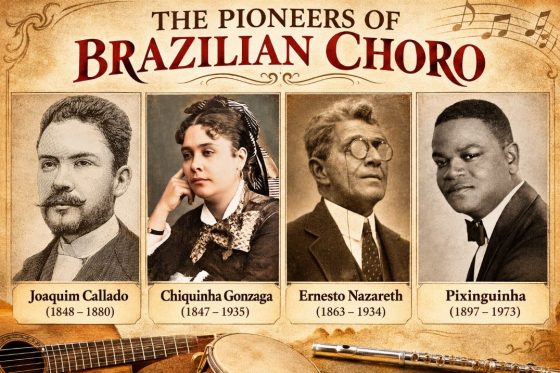
Through their creativity and musical innovations, these remarkable artists laid the foundations for a tradition that continues to inspire musicians and audiences around the world. Images under public domain|composition by Soul Brasil
Tico-Tico no Fubá — Zequinha de Abreu
- Carinhoso — Pixinguinha
- Brasileirinho — Waldir Azevedo
- Noites Cariocas — Jacob do Bandolim
- Odeon — Ernesto Nazareth

These compositions provide an excellent introduction to the genre’s remarkable melodic, rhythmic and emotional diversity.
A Living Cultural Heritage
On February 29, 2024, Brazil’s National Institute of Historic and Artistic Heritage (Iphan) officially recognized choro as part of the country’s intangible cultural heritage. Brazil also celebrates National Choro Day on April 23, honoring Pixinguinha’s birthday and the musical tradition he helped transform.
Yet choro is far more than a historical treasure. It remains a living expression of Brazilian creativity, sustained by musicians, teachers and passionate listeners who continue sharing its repertoire across generations.
For anyone seeking to discover Brazil beyond Carnival, samba and bossa nova, choro is an invitation to listen more deeply – and discover an extraordinary musical world.
FAQ – Frequently Asked Questions
- What is Brazilian choro music?
Choro is a Brazilian musical genre that emerged in the 19th century, combining European musical forms with Afro-Brazilian rhythms and local traditions. It is primarily instrumental and is known for melodic complexity, improvisation and musical virtuosity.
- Is choro older than samba and bossa nova?
Yes. Choro emerged during the second half of the 19th century, before urban samba became established in Rio de Janeiro and several decades before bossa nova appeared in the late 1950s.
- What is the difference between Brazilian choro and jazz?
Both genres emphasize creativity, musical interaction and improvisation. However, choro developed from Brazil’s distinctive cultural and rhythmic traditions and generally maintains a stronger connection to the original composition’s melodic structure.
- What instruments are used in choro music?
Traditional choro ensembles commonly feature flute, bandolim, cavaquinho, six- and seven-string guitars, and pandeiro. Other instruments, including clarinet, saxophone, piano and accordion, may also be incorporated.
- Who are the most famous Brazilian choro musicians and composers?
Important figures include Pixinguinha, Chiquinha Gonzaga, Ernesto Nazareth, Jacob do Bandolim and Waldir Azevedo. Contemporary artists such as Yamandu Costa continue to bring Brazilian instrumental traditions to international audiences.
- Where can tourists listen to live choro in Brazil?
Travelers can experience choro in music clubs, cultural centers and informal rodas de choro in cities such as Rio de Janeiro, Brasília, São Paulo and Santos. Institutions such as Casa do Choro and Clube do Choro de Brasília are useful starting points.
- Is choro recognized as Brazilian cultural heritage?
Yes. On February 29, 2024, Brazil’s National Institute of Historic and Artistic Heritage (Iphan) officially recognized choro as part of the country’s intangible cultural heritage.
- When is National Choro Day celebrated in Brazil?
National Choro Day is celebrated annually on April 23 in honor of Pixinguinha, one of the most influential musicians and composers in Brazilian music history.