Explore the cultural roots of Capoeira, Brazil’s Afro-Brazilian martial art. Learn about malícia, axé, the role of women in Capoeira, and where travelers can experience this unique tradition in Brazil.
By Paqui

Capoeira is an Afro-Brazilian martial art that combines fighting, music, dance, and cultural resistance.
Anyone visiting Brazil or stepping into a Capoeira circle should think twice before bringing chauvinistic attitudes—especially toward women. In many Capoeira communities, female practitioners are highly respected, and underestimating them can be a quick lesson in humility.
Capoeira is far more than a martial art. Known around the world as Capoeira, it blends fight, dance, music, ritual, and strategy. Developed by enslaved Africans in Brazil as a form of resistance and survival, Capoeira carries deep cultural meaning rooted in resilience, spirituality, and community.
Today, travelers to Brazil often encounter Capoeira performances in cultural centers, parks, and academies across cities such as Salvador, Rio de Janeiro, and São Paulo, where the tradition continues to thrive.
A Martial Art Born From Survival
Unlike many martial arts designed purely for self-defense, Capoeira emerged as a system of survival during Brazil’s colonial period.
Practitioners had to develop skills that went beyond physical strength:
Mental awareness
Street intelligence
Strategic deception
Community unity
Central to this mindset are two important Brazilian concepts:
Malícia – the ability to anticipate and outsmart an opponent
Malandragem – cunning strategy and improvisation
These elements allow Capoeira players to create openings, disguise movements, and outmaneuver opponents during the game played inside the roda, the circle where Capoeira happens.
For a deeper understanding of Capoeira history and philosophy, many practitioners recommend works by Mestre Acordeon, author of Capoeira: An Afro-Brazilian Martial Art.
The Spiritual Side of Capoeira
Capoeira is not only physical—it is deeply spiritual and musical.
Inside a roda, players move to the rhythm of instruments such as the berimbau, drums, and clapping. Songs often tell stories of resistance, ancestors, and life struggles.
Capoeiristas often speak about:
Axé (Axe) – spiritual energy and life force within the game
Energia – the collective energy shared by players and musicians
Saudade – a profound feeling of longing and emotional depth expressed in music and movement
For many practitioners, Capoeira historically served as a release from hardship and oppression, allowing people to reconnect with joy, culture, and identity.
Why Physical Strength Isn’t Everything
To outsiders, Capoeira may look like a display of athletic kicks and acrobatics. However, experienced players understand that physical ability is only one part of the art.
True Capoeira skill requires balance between three key elements:
• Spiritual energy (Axé) – the most important element
• Malícia and strategy – reading and manipulating the game
• Physical ability – kicks, agility, flexibility, and endurance
A player may have powerful kicks, but without malícia—without knowing when and how to use them—those kicks mean little.
Experienced Capoeiristas often see players with modest technique outperform stronger athletes simply because they possess greater awareness, timing, and strategy.
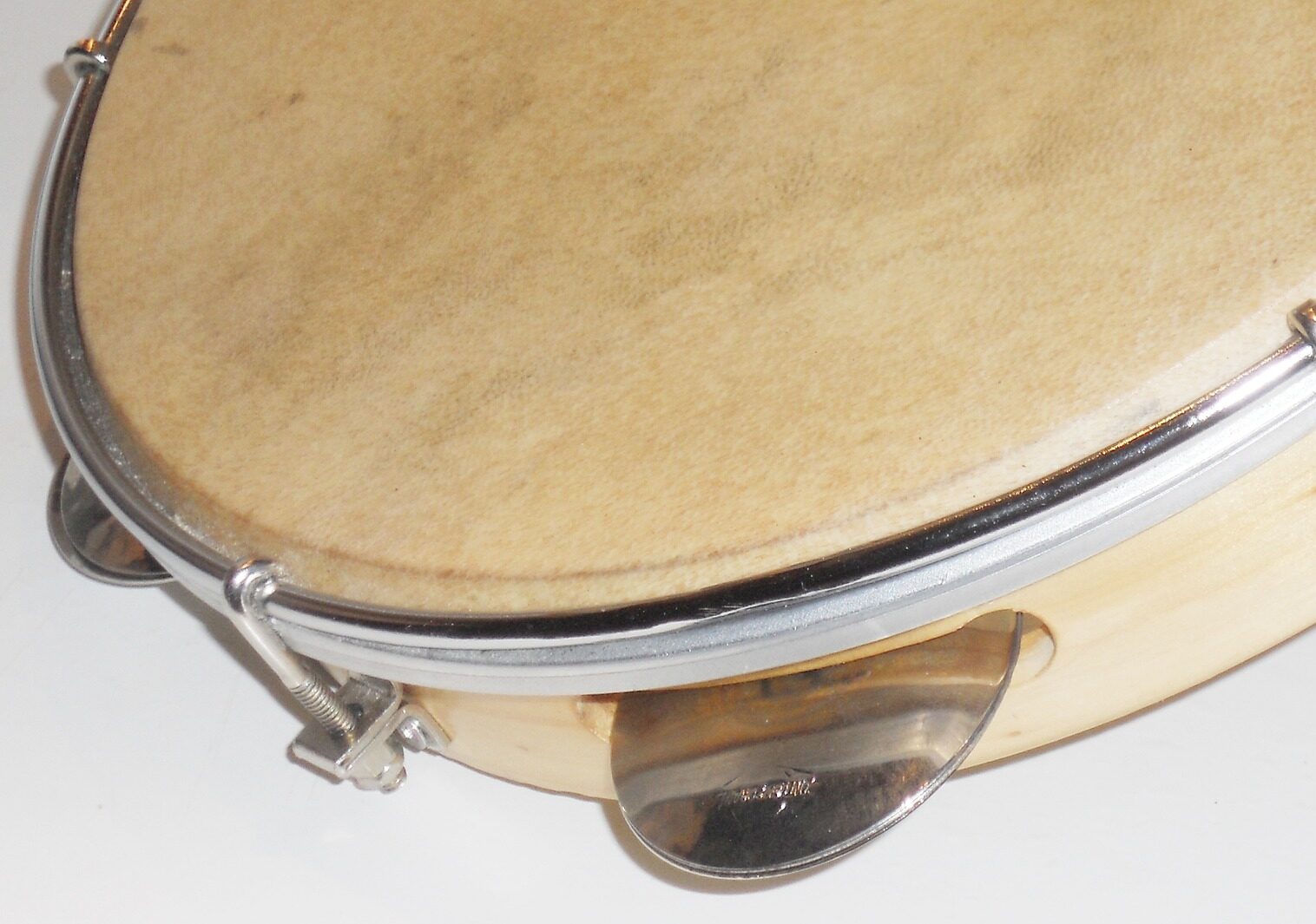
Spiritual energy, known as axé, along with music and community, plays a central role in the Capoeira tradition.
Women in Capoeira: Breaking Old Stereotypes
Capoeira has historically been male-dominated, but women today are leading teachers, performers, and masters around the world.
Across Brazil and the United States, female Capoeiristas:
run academies
teach cultural workshops
compete internationally
preserve Afro-Brazilian traditions
Visitors attending rodas in Brazil quickly learn that respect inside the circle is essential, regardless of gender.
Where Travelers Can Experience Capoeira in Brazil
Visitors interested in Brazilian culture often encounter Capoeira performances or classes in major cultural destinations such as:
Salvador (Bahia) – considered the spiritual capital of Capoeira
Rio de Janeiro – where beachside rodas are common
São Paulo – home to numerous Capoeira academies and cultural events
Travelers may also see Capoeira demonstrations in public parks, festivals, and cultural centers throughout Brazil.
The Enduring Legacy of Capoeira
Capoeira remains one of Brazil’s most powerful cultural expressions—a blend of resistance, art, music, and philosophy.
The essence of the art is captured in a phrase often heard in the roda:
“Salve a Capoeira.”
Because in the end, practitioners agree on one thing:
Axé and energy are the most important forces in the game.
* Paqui is an American capoerista from Springfield, Illinois, and a Brazilian culture lover.
FAQ – Frequently Asked Questions
1. What is Capoeira?
Capoeira is an Afro-Brazilian martial art that combines fight, dance, music, and acrobatics, developed by enslaved Africans in Brazil as a form of resistance and cultural survival.
2. Is Capoeira considered a martial art or a dance?
It is both. Capoeira blends martial techniques, rhythmic movement, and music, making it unique among global combat traditions.
3. What does “malícia” mean in Capoeira?
Malícia refers to strategic awareness and trickery, allowing players to anticipate attacks and create openings during the game.
4. Are women active in Capoeira today?
Yes. Women are increasingly leaders, instructors, and masters in Capoeira communities worldwide, helping expand and preserve the art.
5. Where can tourists watch Capoeira in Brazil?
Visitors can see Capoeira performances and rodas in cities such as Salvador, Rio de Janeiro, and São Paulo, often in public squares, cultural centers, and academies.