The Choro Jazz Festival in Ceará blends world-class Brazilian music with breathtaking coastal landscapes. Now in its 15th edition, the event offers concerts, workshops, and immersive cultural experiences across Fortaleza, Jericoacoara, and Sambaíba—drawing musicians and audiences from around the globe.
by Rebecca Kleinmann
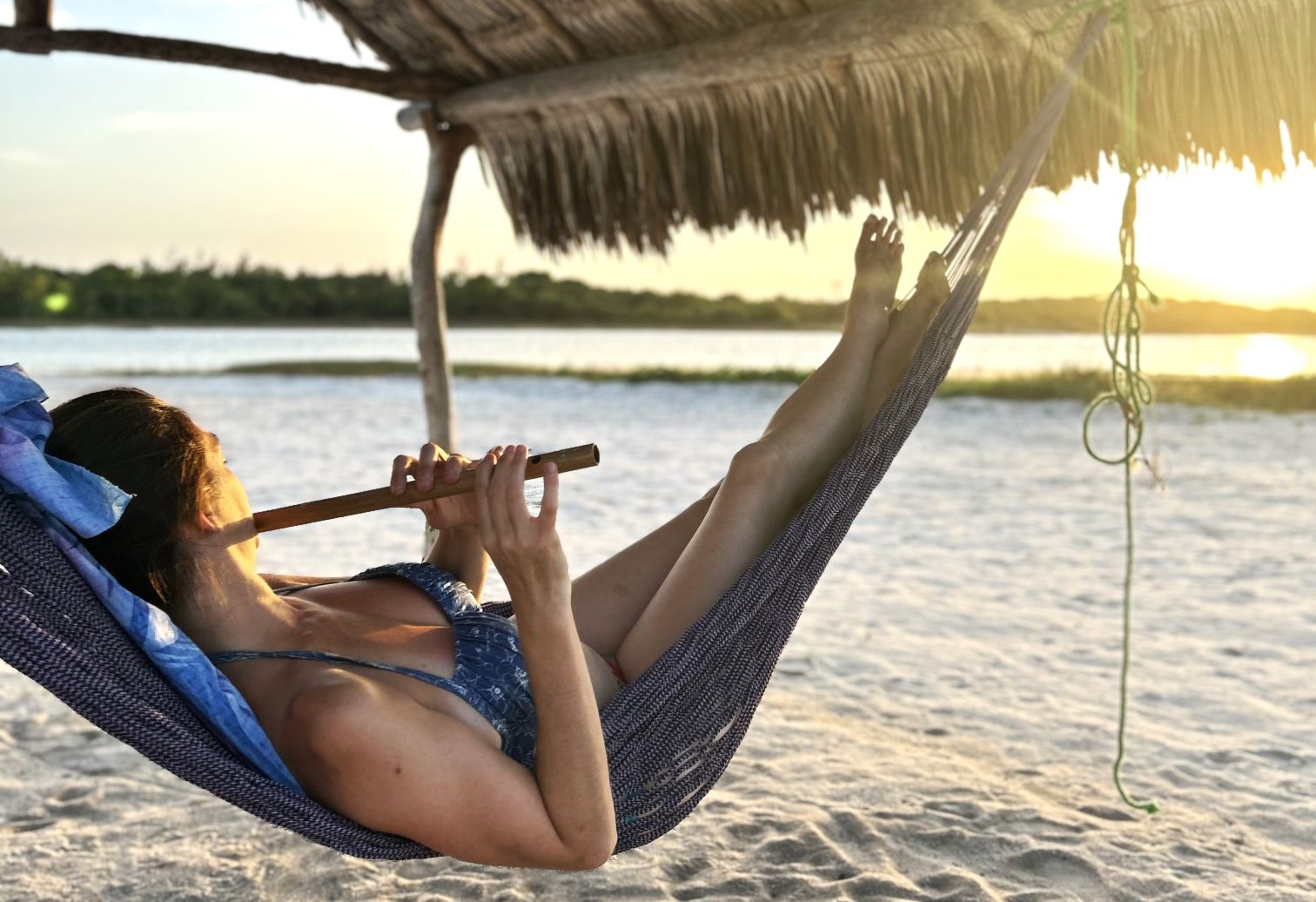
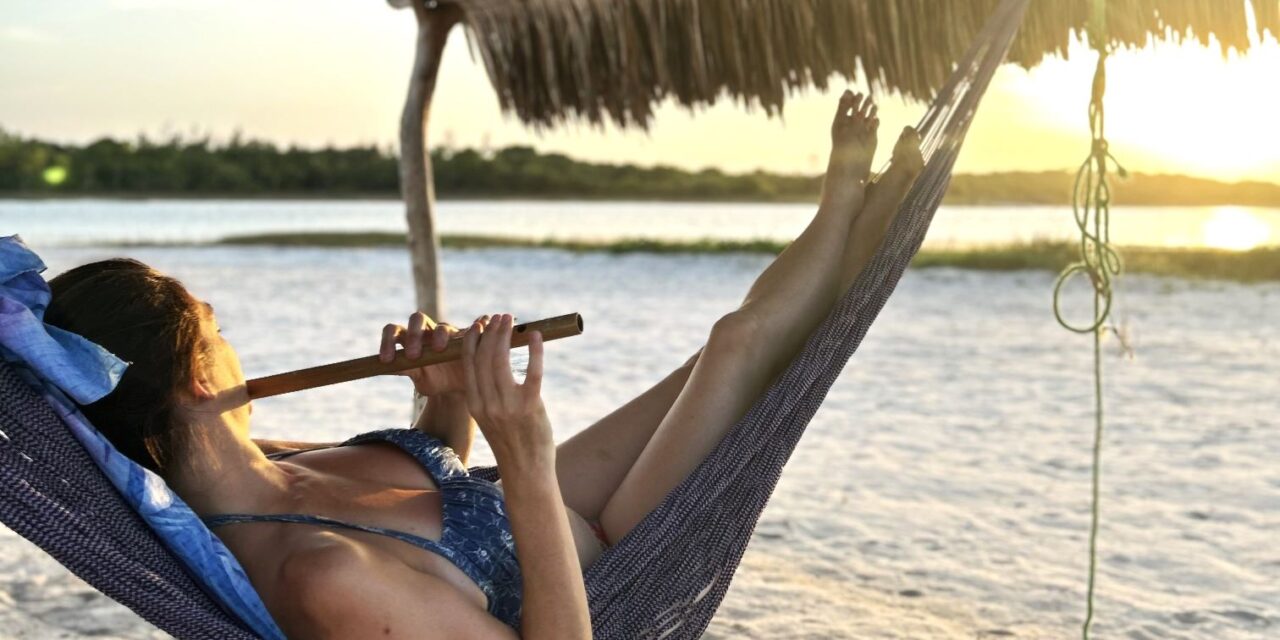
Rebeca Had Time to Relax in the Exuberance of Jericoacoara
Some people prefer discovering new destinations with each trip. While I value exploration, I find deep fulfillment in returning to places where music and natural beauty intersect. The Choro Jazz Festival in Ceará has become exactly that for me—a recurring destination filled with familiar faces who now feel like family.
This year marked my 7th time at the festival and my 12th visit to Brazil. I’ve even been immortalized in a poem by production manager and artist Luã Amat—proof that I’m earning my title as a “Quasileira.”
Three Destinations, One Musical Journey
Held annually between late November and early December, the festival—produced by Antonio Ivan Capucho (“Capucho”)—unfolds across three locations:
- Fortaleza – Workshops and concerts at the iconic Centro Dragão do Mar
- Jericoacoara – Beachside performances and immersive music culture
- Sambaíba – A lakeside musical retreat
In Fortaleza, the 2024 lineup featured talents like guitarist Samuel Rocha and singer/guitarist Teresa Raquel, alongside the legendary group “O Trio,” formed by Maurício Carrilho, Paulo Sérgio Santos, and Pedro Amorim.
Even from afar, I followed performances via live streaming—a testament to the festival’s growing digital reach.
The Journey to Jericoacoara
Getting to Jericoacoara is part of the adventure. After arriving in Fortaleza, the trip includes a 4+ hour drive and a final stretch dune buggy across stunning sand landscapes.
Once a quiet fishing village, Jericoacoara is now a global hotspot for windsurfing and tourism. Yet, it retains its charm, offering crystal waters, sweeping dunes, and unforgettable sunsets.
Music at Sunset: The Magic of the “Roda de Choro”
Each day, just before sunset, musicians gather by the sea for a “roda de choro”—a traditional circle where music flows freely.
For hours, we play, share melodies, and discover new compositions. These moments—surrounded by the ocean breeze and vibrant skies—are pure magic.
At one session, I found myself playing alongside João Bosco, who joined the roda casually and stayed for hours. Despite the presence of masters, the atmosphere remains welcoming and collaborative.
Notably, I’ve seen a growing number of women and young girls participating, reflecting a positive shift toward greater inclusion.
Concert Highlights: Celebrating Talent and Diversity
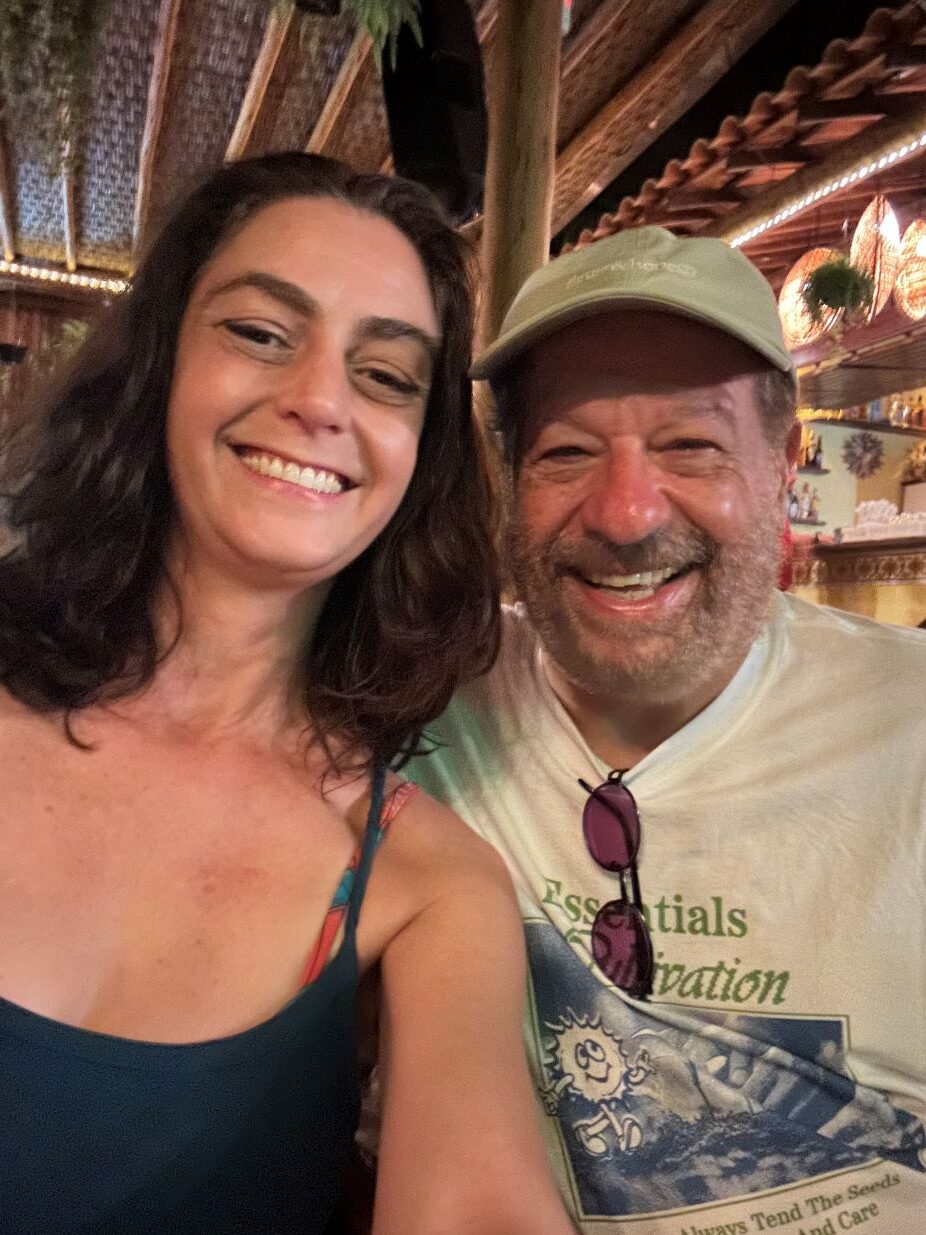
Jazz Rebecca with Brazilian Musician João Bosco
The evening concerts, held in Jericoacoara’s central square, featured extraordinary performances:
- Mônica Salmaso with André Mehmari
- Bianca Gismonti Trio
- Vanessa Moreno and her ensemble
- Lia de Itamaracá closing the festival
A powerful moment came during Salmaso’s performance—even as rain began to fall, the audience remained still, captivated by every note.
The festival also spotlighted female artists, including the local group Armenina do Coco Fulô, reinforcing its commitment to gender representation in music.
Beyond the Stage: Nights of Forró and Endless Jam Sessions
After concerts, the music continues:
- Forró dances at Serra Mar
- Late-night jam sessions in the square
- Sunrise improvisations with top musicians
I found myself playing until dawn alongside artists like Ricardo Silveira, Pedro Martins, and Kiko Freitas—moments that blur the line between performer and audience.
Sambaíba: A Musical Retreat
The final leg, Sambaíba, offers a different rhythm. Set by a tranquil lake, it’s less structured and more intimate:
- Shared meals prepared by chef Gama
- Hammocks, swimming, and rest
- Spontaneous music sessions
Here, the festival becomes a community experience, emphasizing connection, simplicity, and artistic exchange.
A Festival That Preserves Culture
The Choro Jazz Festival thrives thanks to support from sponsors like Petrobras and the dedication of organizers like Capucho and Luã Amat.
More than entertainment, it is a cultural preservation initiative, keeping Brazilian musical traditions alive while embracing innovation.
* Rebecca Kleinmann is a flutist, singer and educator. She is a native of Santa Barbara, California, and currently directs “Charanga Carolina” at the University of North Carolina Chapel Hill, teaches via her own private studio, and directs several ensembles including “Noites Carolinas” Brazilian Choro Band, “Forró Triângulo,” and the “Rebecca Kleinmann Quintet” which was awarded Chamber Music America’s Performance Plus grant in 2024 – www.rebeccakleinmann.com
* For airfare from the United States to Brazil or Latin America, customized travel packages, alternative accommodations, as well as travel planning consultation please visit our travel agent page or contact Magali da Silva directly by phone or whatsapp: 1(323)428-1963.
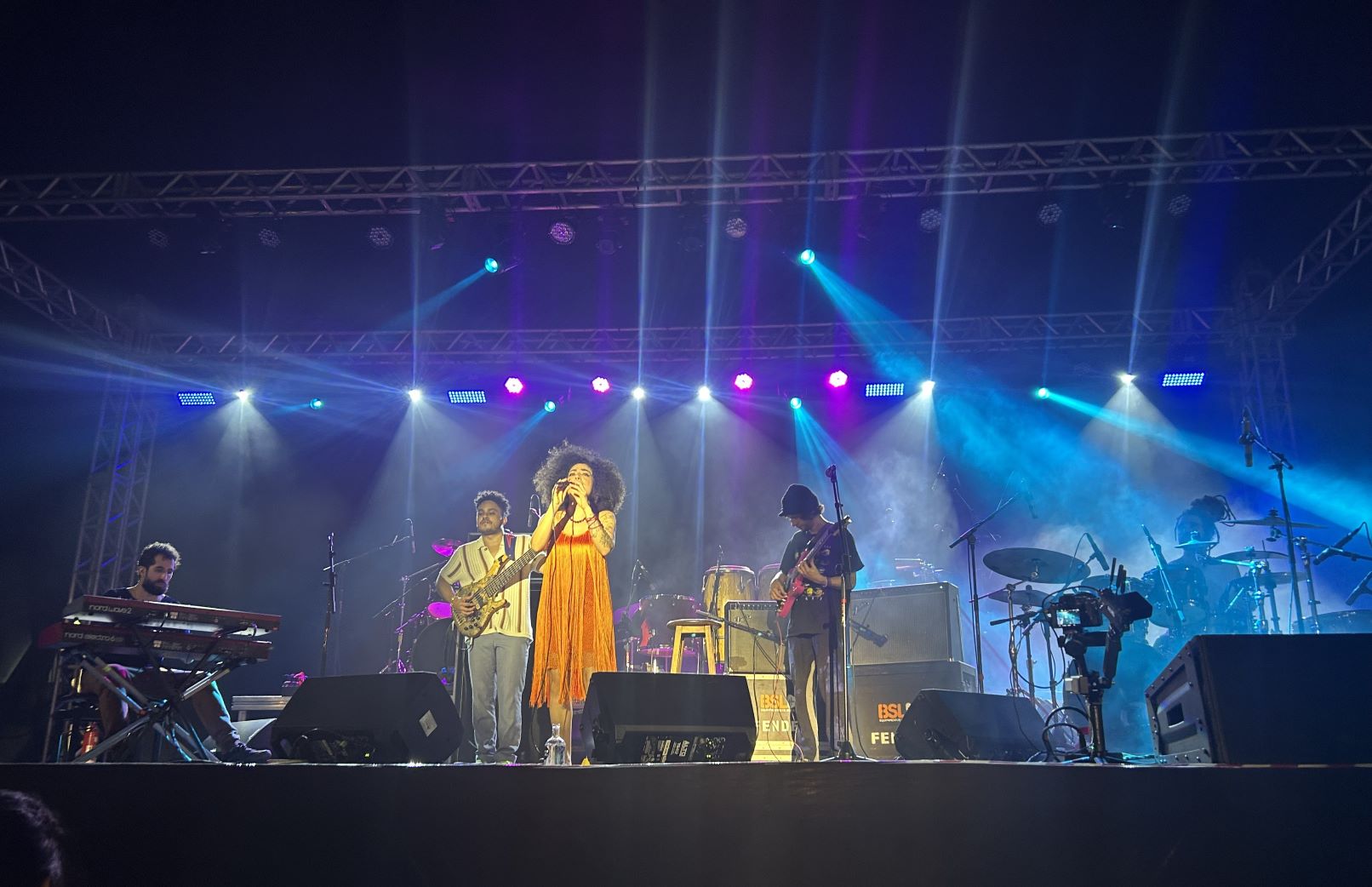
Vanessa Moreno Group at Stage
FAQ – Frequently Asked Questions
1. What is the Choro Jazz Festival?
An annual Brazilian music festival combining choro and jazz, with concerts, workshops, and cultural activities.
2. Where does the festival take place?
In three locations: Fortaleza, Jericoacoara, and Sambaíba, all in Ceará, Brazil.
3. When is the festival held?
Typically between late November and early December.
4. Is the festival accessible to international visitors?
Yes. Many attendees travel from abroad, and some events are even streamed online.
5. What makes this festival unique?
Its blend of world-class music, natural beauty, and immersive cultural experiences, especially the informal “rodas de choro.”