When someone says they love you but refuses to fully commit, the emotional confusion can be overwhelming. This article explores why some people remain emotionally unavailable, the psychological impact of being “the other woman,” and why self-worth and healthy boundaries are essential when choosing love.
By Rosana Braga | Translation: Rebecca Carvalho
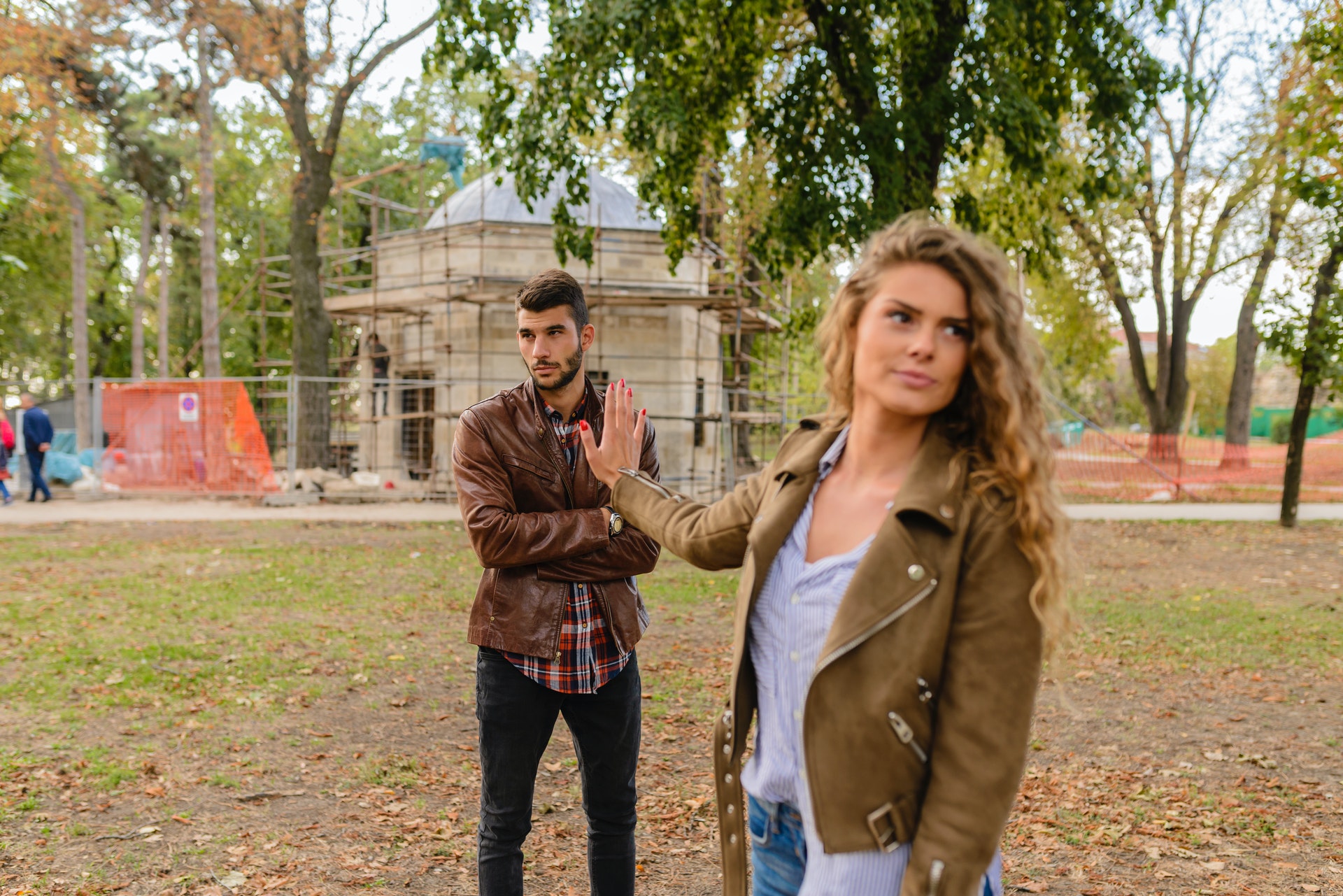
Love without commitment often creates confusion, insecurity, and emotional pain.
Falling in love is one of life’s most exciting experiences. You meet someone, feel an incredible connection, and everything seems to fall naturally into place. There is romance, passion, affection, and a growing sense that you’ve finally found someone truly worthy of sharing your life with.
Then, when you least expect it, everything changes.
You discover that the person who constantly tells you he loves you is already committed to someone else.
Suddenly, you realize that you are the other woman.
When Love Isn’t Enough
How do you understand or judge a situation like this, especially when everything you’ve experienced together has felt genuine, meaningful, and emotionally intense? How do you know whether the connection between you is real?
On one hand, everything seems to confirm that he is deeply involved with you—that he truly cares, that he is interested, and that he is in love. But then one unavoidable question arises:
If he loves you so much, why doesn’t he choose to be with only you? If you’re experiencing something similar and you’re genuinely comfortable with the situation, then perhaps everything is fine.
If you’re not…
…prepare yourself for an emotional roller coaster.
The Emotional Cost of Waiting
Very few people are willing to ignore the future and simply enjoy the present without expecting anything more. Most people eventually want certainty. You probably do, too.
That raises difficult questions:
- Should you simply accept the situation as it is?
- Should you walk away, even if it means giving up someone you love?
- Should you give him an ultimatum and ask him to make a decision, knowing he may not choose you?
None of these choices are easy.
How Much Are You Willing to Sacrifice?
Ask yourself honestly: How much pain are you willing to endure to stay with someone you love? Pain. Sadness. Low self-esteem. Jealousy. Insecurity. Lack of trust. Internal conflict.
Being part of a love triangle—especially when you never intended to be—is emotionally exhausting. You constantly feel as though you’re competing with someone else. Your confidence suffers as you compare your relationship with the one he already has.
The Psychological Impact of Being “The Other Woman”

Being “the other woman” can deeply affect self-esteem, trust, and emotional well-being.
There is anger. Ironically, there may also be even more passion. There is fear of abandonment. Sometimes it feels as though you’ve gone back to adolescence, standing in gym class waiting to be picked last.
The emotional wounds run much deeper than the relationship itself.
Who Is Really Unable to Commit?
Let’s be honest. You already know what you want. You want to be with him. You’re willing to be committed. You’re prepared to be loyal. You’re ready for an honest relationship.
So who is the one who doesn’t know what he wants? Who cannot make a choice? Who isn’t ready to live your love completely? The answer isn’t you. It’s him.
Self-Worth Should Guide Every Decision
Now ask yourself one final question:
How much do you truly believe you deserve from life—and from love? Is being the other woman enough? Why would you willingly remain in such an emotionally draining relationship? If he says he loves you so deeply, why can’t the other woman know that you exist? Wouldn’t honesty be fair to everyone involved?
Life is made of choices. Love is no exception.
Love Requires Maturity
The ability to make decisions is one of the clearest signs of emotional maturity. From a psychological perspective, those who cannot make choices often haven’t fully developed the emotional readiness required for healthy relationships.
Every day I become more convinced that sharing life with another person—with love, sincerity, commitment, and honesty—is one of the greatest learning experiences and one of the biggest challenges both men and women will ever face. That journey should always be guided by dignity, integrity, and mutual respect. Above all, whatever decision we make, we should make it count.
* Rosana Braga is a Brazilian journalist and author of several books on self-help and relationships. She has contributed with Soul Brasil during the three first years of the magazine – www.rosanabraga.com.br
Frequently Asked Questions (FAQ)
1. Why would someone say “I love you” but refuse to commit?
People may genuinely have feelings while still lacking the emotional maturity, courage, or willingness to make difficult decisions. Love alone does not always translate into commitment.
2. Can someone truly love two people at the same time?
Emotional attachment to more than one person is possible, but maintaining healthy, honest, and committed relationships requires clear choices and responsibility toward everyone involved.
3. How do I know if I’m wasting my time waiting for commitment?
If promises continue without meaningful action, transparency, or progress, it’s important to evaluate whether your emotional needs and long-term goals are being respected.
4. Should I give an ultimatum?
An ultimatum may force clarity, but it cannot create genuine commitment. The healthiest decision depends on whether both partners are equally willing to build the same future.
5. What is the healthiest question to ask myself?
Instead of asking, “Does he love me?” ask, “Am I receiving the kind of love, honesty, and commitment I truly deserve?”