Brazil has become an increasingly important destination for immigrants, digital nomads, retirees, students, professionals, entrepreneurs and refugees. In 2026, foreigners can pursue different legal pathways to live in Brazil, including residence based on work, investment, study, family reunification and digital nomad status.

Brazil has transformed from a country of emigration to a destination for global immigration
While the country has historically received waves of European, Middle Eastern and Asian immigrants, recent decades have brought a new trend: Brazil is attracting foreigners seeking work, education, investment, family reunification, retirement and a different lifestyle.
In 2011, official data from Brazil’s Department of Justice showed that the number of documented foreigners living in the country had increased by roughly 50% in just six months, from 961,867 in December 2010 to nearly 1.5 million in July 2011. At the same time, the number of Brazilians living abroad was declining.
Paulo Abrão, then Secretary of Justice, explained at the time that the number of Brazilians living abroad had fallen substantially between 2005 and 2010, as many returned from countries including the United States, Japan and England amid economic crises in those regions.
Economic growth, greater international visibility and foreign investment helped position Brazil as a destination for professionals, students and entrepreneurs. Historically, some of the largest immigrant communities came from Portugal, Bolivia, China and Paraguay.
Immigration in Brazil Today
Since the early 2010s, Brazil’s immigration landscape has changed significantly.
Venezuelans have become one of the country’s most important immigrant and refugee populations, largely as a result of the ongoing humanitarian crisis in Venezuela. Brazil has also received migrants from Haiti, Bolivia, Colombia and other countries across Latin America, as well as immigrants from the United States, Europe, Asia and the Middle East.
Brazil’s migration system now covers a broad range of situations. According to the Ministry of Justice, foreigners may obtain authorization to reside in Brazil under different legal grounds, including work, academic research, investment, economic or technological activities, religious activities, volunteering, study, family reunification and humanitarian or refugee protection.
The Brazilian government also publishes annual migration statistics through OBMigra, including information on visas, residence registrations, refugee applications and immigrant workers. The consolidated 2025 dataset was published in July 2026.
Major Immigrant Communities in Brazil
The original article highlighted Venezuela, Haiti, Bolivia, the United States and Colombia among the country’s major immigrant communities. These communities continue to be important to Brazil’s contemporary immigration story.
Rather than treating the older 2020 figures as current population totals, however, it is important to note that Brazil’s migration statistics change continuously as new residence registrations, humanitarian programs and refugee applications are processed.
For readers interested in moving to Brazil, the most relevant question is often not simply how many foreigners live in the country, but which legal residence pathway applies to their situation.
Why Are Foreigners Choosing Brazil?
Several factors continue to make Brazil attractive to international residents.
1. Work and Business
Brazil has one of the largest economies in Latin America and remains an important market for agribusiness, energy, technology, services and entrepreneurship.
Foreigners may qualify for residence based on employment, investment or certain professional and economic activities. The Ministry of Justice specifically lists work, investment and activities of economic, social, scientific, technological or cultural relevance among the grounds for residence authorization.
2. Education
International students are also part of Brazil’s immigration landscape.
Foreigners can seek residence for study, including regular academic programs, internships and exchange or research activities. The Federal Police updated its guidance on residence for study in 2026.
Brazil can be particularly attractive to students interested in Portuguese-language immersion, Brazilian culture and relatively affordable educational opportunities compared with some universities in the United States and Europe.
3. Retirement and Lifestyle
Brazil’s climate, beaches, natural landscapes, cultural diversity and, in some locations, lower living costs compared with the United States and parts of Europe can make the country attractive to retirees and other people seeking a lifestyle change.
Brazil also has a specific residence pathway for retirees and pensioners under its immigration framework. The Brazilian Ministry of Foreign Affairs lists retirees and pensioners among the categories covered by VITEM XIV.
4. Cultural and Historical Ties
Brazil’s history of immigration has created strong cultural connections with Portugal, Italy, Lebanon, Japan, Germany and numerous other countries.
These historical ties continue to influence Brazil’s international communities and make the country familiar to people whose families have connections to Brazil.
Immigration Opportunities in Brazil

Nearly 90,000 Americans call Brazil home in 2025
Brazil offers several legal pathways for foreigners who want to live in the country.
Investor and Business-Based Residence
Foreigners may seek residence through qualifying investment or economic activities. Investment is explicitly recognized by the Ministry of Justice as one of the grounds for residence authorization.
Digital Nomad Visa
Brazil introduced its digital nomad framework in 2022, allowing qualifying remote workers to live in Brazil while performing professional activities for a foreign employer or foreign business.
The official rules define a digital nomad as an immigrant who works remotely using information and communication technologies for a foreign employer. Someone working for a Brazilian employer generally does not qualify under the digital nomad category and may need another type of authorization.
This makes Brazil particularly interesting for Americans and other foreigners who earn their income abroad but want to experience life in Brazil.
Family Reunification
Family reunification is another important route for foreigners with qualifying family relationships in Brazil.
The Brazilian immigration system provides residence procedures for eligible family members of Brazilian citizens and foreign residents.
Study and Academic Programs
Foreign students can apply for residence for study, including university programs, internships, exchanges and research activities, subject to the applicable requirements.
Humanitarian and Refugee Protection
Brazil also provides immigration and residence mechanisms for people who qualify for refugee, asylum or humanitarian protection.
Recent Brazilian immigration policy has included specific humanitarian measures, including rules concerning nationals of countries affected by humanitarian crises.
Americans Living in Brazil
For Americans considering a move to Brazil, the country offers a combination of cultural familiarity and significant differences.
Americans may be attracted by Brazil’s climate, beaches, food, social environment, cultural diversity and potential lifestyle advantages. At the same time, anyone planning a permanent move should consider Portuguese proficiency, bureaucracy, taxation, healthcare, employment rules and the specific requirements of the appropriate immigration category.
Soul Brasil has previously explored the experience of Americans and other foreigners living in Brazil. In one first-hand account, an American professional who moved to Porto Alegre described both the welcoming social environment and the challenges involving bureaucracy, language and cultural differences.
Another Soul Brasil story follows American anthropologist Joseph Le Page, who moved to Garopaba, Santa Catarina, and established a life and professional project in Brazil. His experience provides a personal example of how an American can build a long-term life in the country.
These experiences reinforce an important point: moving to Brazil is not simply about obtaining a visa. It is also about adapting to a new language, culture, bureaucracy and way of life.
What Foreigners Should Know Before Moving to Brazil
Anyone considering immigration to Brazil should first identify the correct legal pathway.
Brazil’s official immigration system provides a guided process for people seeking to live in the country, with different requirements depending on whether the purpose is work, investment, study, family reunification or another category.
After residence authorization is granted, the immigrant is registered and receives a Registro Nacional Migratório (RNM) and Carteira de Registro Nacional Migratório (CRNM).
Requirements can include valid travel documents, civil records, criminal background certificates, proof of financial means and other documentation depending on the category.
Because immigration rules and administrative procedures can change, foreigners should verify current requirements with Brazilian government authorities before making relocation plans.
The Takeaway
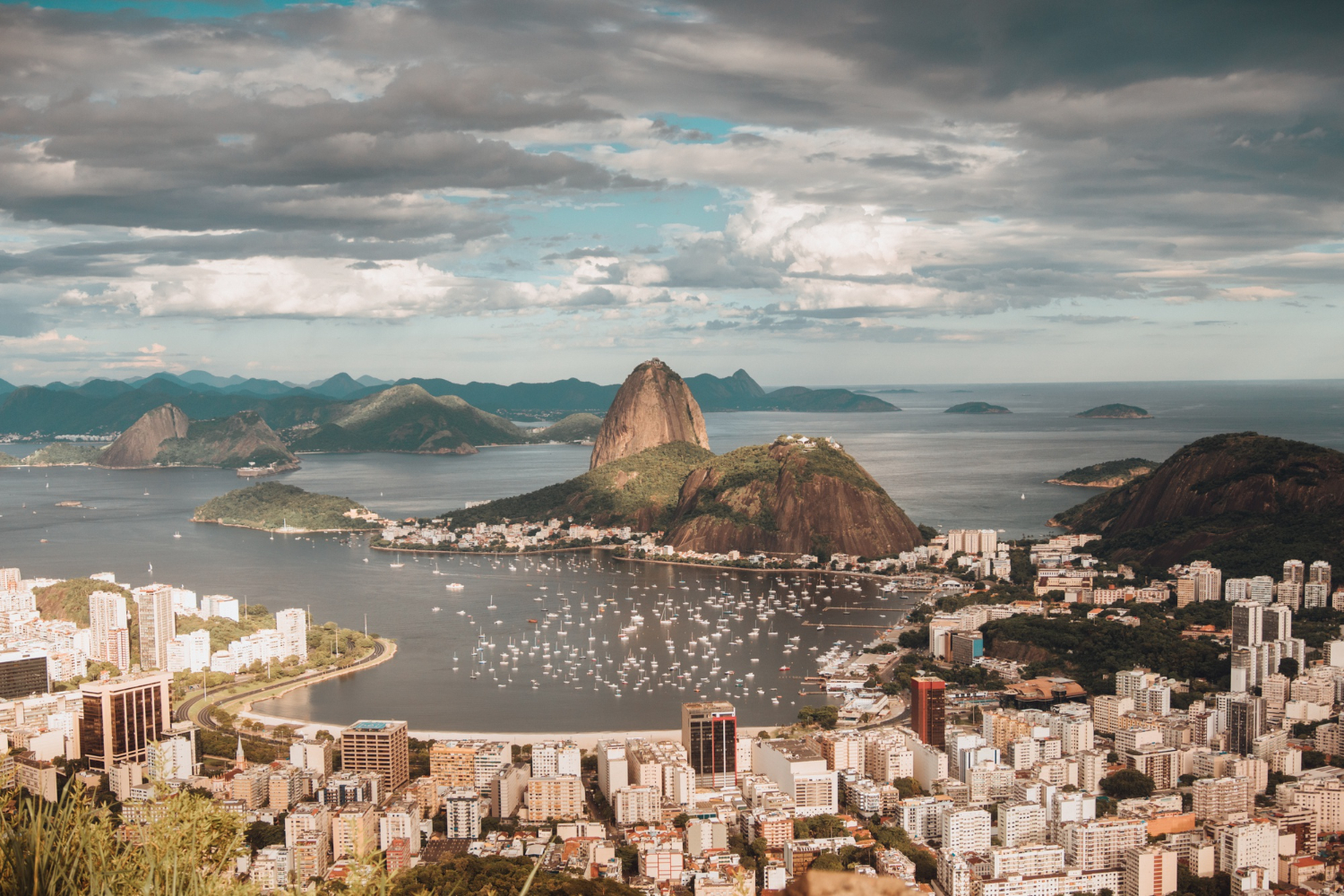
Retirees choose Brazil for its lower cost of living, healthcare, and natural beauty
Brazil, once known primarily as a country whose citizens moved abroad in search of opportunities, has also become an important destination for international migrants.
In 2026, Brazil offers legal pathways for professionals, entrepreneurs, investors, students, retirees, digital nomads, family members and people seeking humanitarian or refugee protection.
For Americans in particular, Brazil can represent an interesting alternative for those looking for a different lifestyle, cultural experience or professional opportunity. The country offers opportunities ranging from teaching and working for multinational companies to entrepreneurship, investment, retirement and remote work.
Brazil’s digital nomad framework is especially relevant for Americans and other foreigners who earn income from abroad and want to reside in Brazil while maintaining their professional connection with another country.
Ultimately, Brazil offers a unique combination of cultural richness, natural beauty, economic opportunities and diverse immigration pathways, making it a destination worth considering for foreigners in 2026 and beyond.
* For airfare from the United States to Brazil or Latin America, customized travel packages, alternative accommodations, as well as travel planning consultation please visit our travel agent page or contact Magali da Silva directly by phone or whatsapp: 1(323)428-1963.
FAQ – Frequently Asked Questions
1. Is Brazil open to immigrants?
Yes. Brazil has several legal pathways that allow foreigners to live in the country temporarily or permanently, depending on their circumstances. These include work, investment, study, family reunification, digital nomad residence and humanitarian or refugee protection.
2. What visa options are available for foreigners moving to Brazil?
Depending on the person’s circumstances, options may include work-related residence, investment-based residence, study, family reunification, retirement and digital nomad residence. The appropriate category depends on the purpose of the move and the applicant’s eligibility.
3. Can Americans move to Brazil?
Yes. Americans can move to Brazil if they meet the requirements of the applicable immigration category. Depending on their circumstances, they may qualify for residence based on work, investment, study, family relationships, retirement or digital nomad status.
4. Does Brazil have a digital nomad visa?
Yes. Brazil has a digital nomad visa and residence framework established under Normative Resolution No. 45/2021 and published in 2022. It applies to qualifying remote workers whose professional activities are performed for a foreign employer or business.
5. Can foreigners retire in Brazil?
Yes. Brazil has an immigration category for retirees and pensioners who meet the applicable requirements. The Ministry of Foreign Affairs lists retirees and pensioners under VITEM XIV.