By Flavio Gondin
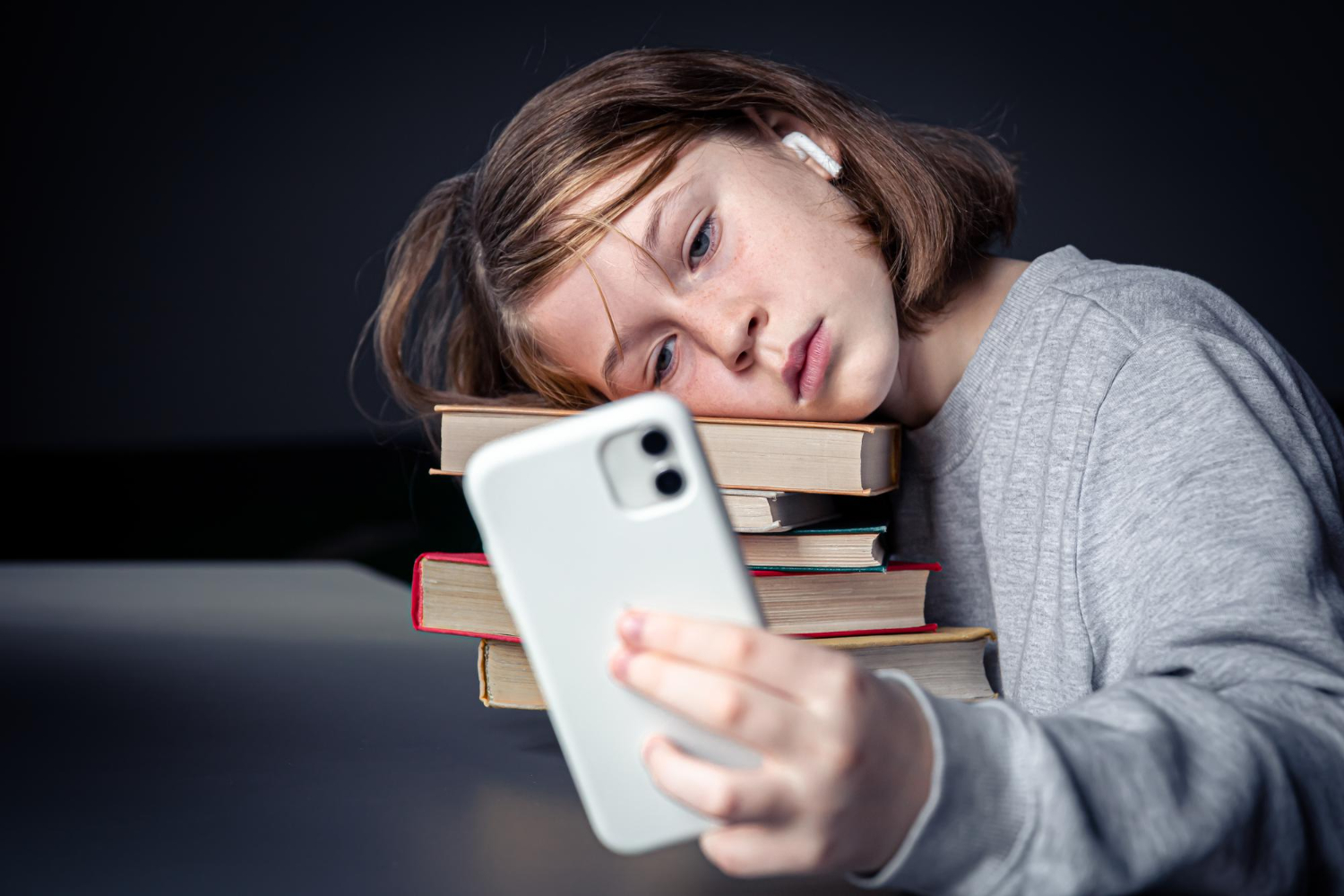
Every word we utter travels straight to someone’s emotions.
When you read the title of this article, your mind is already at work. You may picture ancient rituals, sacred chants, whispered prayers, or the emotional release of a shouted phrase. You might even drift into childhood memories – your mother’s gentle voice – before snapping back to the harsh tone of your boss earlier today.
This mental journey happens in seconds. And it reveals something powerful:
Words are emotional triggers.
They shape how we think, how we feel, and how we relate to others. In 2025 and beyond, with the speed of digital communication and the growing influence of AI-driven language, the impact of words on our emotional and psychological life has never been greater.
Words Are Vibration: Where Science Meets Spirituality
At their core, words are sound. And sound is vibration – waves moving through the air, touching our ears, and becoming meaning in our brain. Across cultures, sound has long been associated with the essence of life itself: the pulse, the rhythm, the eternal motion of the universe.
Even the yin-yang symbol, so central in Eastern philosophy, resembles the gentle curve of a wave – expansion and rest, movement and stillness.
Modern research in 2025, especially in neurocommunication and psychoacoustics, supports what ancient traditions have always suggested:
- Words carry emotional energy,
- Tone influences perception,
- The brain reacts to negative and positive language almost like physical stimuli,
- Intent amplifies impact.
In other words, what used to be “mystical” is now partly explained by neuroscience.
The Layers Beneath What We Say
Every statement we make has two layers:
- The literal meaning
- The deeper message—the beliefs, fears, expectations and cultural patterns behind the words
Our language reflects our internal world, but also the collective world of our culture and time. Even casual conversations carry traces of social debates, shared anxieties, and unspoken values.
When we speak, we reveal more than we think.
Words as Social Currency
Words do not have absolute meaning. Their value emerges in interaction—like symbolic coins we exchange to negotiate understanding.
This is why choosing the right words matters:
- A careless sentence can wound deeply,
- A kind phrase can shift someone’s entire day,
- A sincere conversation can save a relationship,
- And a speech can either ignite conflict or inspire peace.
Words build bridges – or walls. They can be destructive or they can be profoundly healing.
Today, every word is a seed: it can generate chaos or clarity.
Intention: The Real Source of Our Magic
The true power of words comes from the intention behind them. That intention is what creates connection, trust, and emotional resonance.
Thiago de Mello, the Brazilian poet, captured this beautifully in The Statutes of Man:
Article V
“Let it be decreed that people are free from the weight of lies.
No one will need the armor of silence or the shield of empty words.”
Final Article
“From this moment on, freedom will be alive and transparent, like fire or a river.
And its home will always be the human heart.”
Why the Magic of Words Matters Even More in 2025 and Beyond
We live in a world of instant messaging, algorithm-filtered communication, and AI-generated responses. Words travel faster, reach more people, and spread more easily than ever. Because of that, we need to be more intentional, more aware, and more compassionate with our language.
Today, the magic of words is not supernatural – it is human. It is the power we carry in every conversation, every message, every intention. By choosing our words with clarity, empathy, and purpose, we shape not just communication – but connection, well-being, and understanding.
* Flavio Gondin is a Brazilian musician, programmer, philosopher, and translator from Pernambuco. He played an important role during the early years of Soul Brasil Magazine, contributing thoughtful reflections on culture, language, and the human experience.
FAQ – FREQUENTLY ASKED QUESTIONS
Why are words so powerful in human communication?
Because they carry emotional meaning, intention, and psychological impact. Words shape our thoughts, moods, and relationships.
How can language affect mental and emotional well-being?
Positive or negative words activate different neural responses, influencing stress levels, confidence, and emotional balance.
Why is intentional communication important in 2025?
With fast digital messaging and AI-driven interactions, clarity and empathy are essential to avoid misunderstandings and emotional harm.
What does “deep structure” in language mean?
It refers to the underlying beliefs, values, and emotions embedded in our words—even when we don’t consciously express them.
Can changing the way we speak improve relationships?
Yes. Thoughtful, emotionally aware language strengthens trust, reduces conflict and promotes deeper connection.
Are words still important in a world with AI communication?
More than ever. Human intention, empathy and authenticity cannot be replicated by algorithms. Words remain our most powerful tool of connection.