Prediabetes means blood sugar levels are higher than normal but not yet high enough for a diagnosis of type 2 diabetes. Early detection, regular physical activity, healthy eating and lifestyle changes can help reduce the risk of developing diabetes.
Prediabetes can be difficult to recognize because blood sugar levels may be elevated without obvious symptoms.
More than 24 million Americans are victims of this dangerous disease, and even worse, they don’t know yet. A surprising number of North American residents, including young and apparently healthy people, have high levels of sugar in their blood.
The symptoms can be so minor, or not be present at all, that sometimes doctors cannot detect the disease, causing a higher risk of cardiac and other serious health problems.
Diabetes and Prediabetes: Why Early Detection Matters
Recent studies of the Pan American Health Organization show that diabetes contributes to more than 45,000 deaths in Latin America. The OMS states that this number is low and this study hasn’t been completed yet. If they count the number of cases that have not been reported, this number would possibly reach 300,000.
In the Latin American case, part of the problem is caused by eating habits from the culture, and obviously that also includes Brazil.
Many times, people wrongly associate the “gorditos” with healthy people, especially when they’re kids. This mindset has to change or it will increase the risk of children becoming not only obese, but also developing diabetes.
How Physical Activity Can Help Prevent Diabetes
In the USA, there are various parks and places for physical activities, especially in urban districts. Sometimes parents think they’re not safe and, as a result, children stay in the house watching television or playing video games.
Among adults, technology and the comfort of their homes can also contribute to a more sedentary lifestyle.
Physical activity contributes substantially to preventing the disease.
The best way to fight against diabetes is to promote prevention, detection and diagnosis during its “pre-phase.”
Approximately 18 million residents in the U.S.A. suffer from diabetes, either type 1, when the pancreas does not produce enough insulin — the hormone that stabilizes sugar in the blood — or type 2, which is the most common form, when the disease develops over the years and the organism cannot use insulin effectively to keep blood sugar levels normal.
What Is Prediabetes?
The numbers of people with prediabetes, who are high-risk candidates to develop type 2 diabetes, are scary.
The great majority of people who have prediabetes are unaware that they have a blood sugar level higher than normal. That’s the dangerous part.
If they could at least detect the problem during this “pre-phase” and start to change their habits a little bit, they could potentially avoid becoming diabetic within three, four or five years.
That is why recognizing the warning signs and discussing blood sugar testing with a healthcare professional can be an important step toward prevention.
7 Important Steps to Reduce the Risk of Diabetes
Be Careful with Prediabetes
If you have prediabetes or are concerned about your risk of developing type 2 diabetes, the original article recommends seven important lifestyle measures:
- Maintain the right weight according to your structure and height.
- Exercise regularly.
- Stop smoking.
- Cut fatty foods.
- Watch your carbohydrate intake.
- Drink fewer alcoholic beverages.
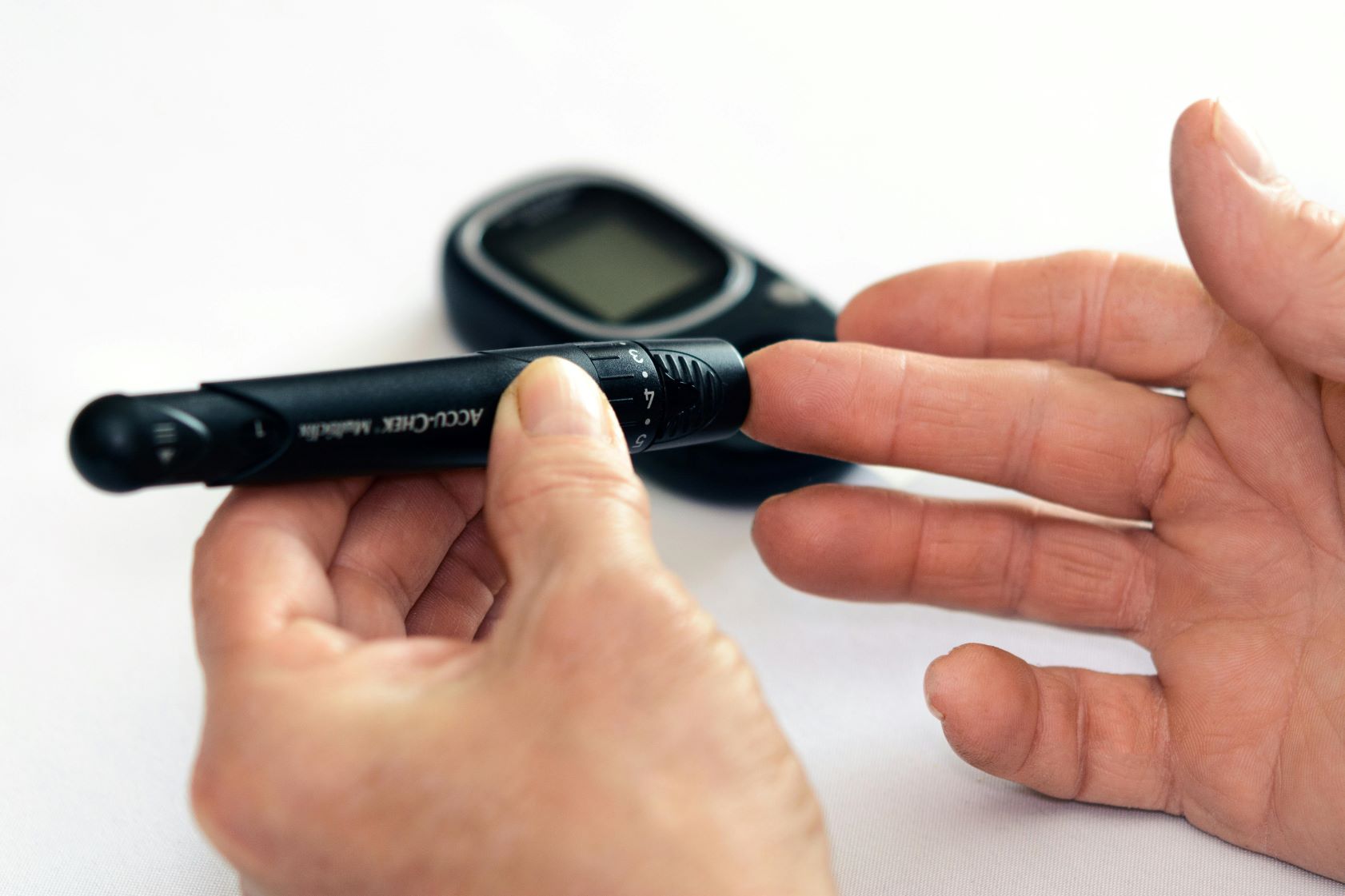
- Monitor your blood sugar level.
These lifestyle changes are particularly important because prediabetes can serve as an early warning that the body is having difficulty maintaining normal blood sugar levels.
What Are Natural Ways to Reduce the Risk of Diabetes?
Avoid eating junk foods at all costs
The original article highlights several foods and nutrients that have been studied in connection with blood sugar control and diabetes risk.
Cinnamon and Blood Sugar
A study of the Beltsville Human Nutrition Research Center, in Maryland, USA, reached the conclusion that a teaspoon of cinnamon in your food or juice daily for 40 days helps control glucose — the sugar in the blood — cholesterol and triglycerides, improving insulin’s capacity to take glucose to the cells that need it.
Important: cinnamon should not be considered a replacement for medical treatment or prescribed diabetes medication.
Magnesium and Diabetes Risk
The School of Public Health at Harvard, in the USA, after 18 years of studies, found that women who had incorporated greater amounts of magnesium into their diets had a reduced risk of developing the disease.
This mineral can be found in whole grains, nuts and green leafy vegetables.
Passion Fruit Peel and Fiber
A research project developed by the College of Nutrition of the Federal University of Rio de Janeiro, in 2004, concluded that passion fruit peel has a high level of fiber called pectin and that it reduces cholesterol levels, especially blood sugar levels.
As with the other examples above, these findings should be understood in the context of research and should not replace professional medical advice or diabetes treatment.
Why Blood Sugar Control Matters
Remember: When you take control of the sugar level in your blood, you take control of your energy level, your mood, your weight, your mental capacity and your appetite.
For more information on diabetes, visit American Diabetes Association.
Frequently Asked Questions – FAQ

Avoid eating junk foods at all costs
1. What is prediabetes?
Prediabetes is a condition in which blood sugar levels are higher than normal but have not reached the range used to diagnose type 2 diabetes. It can be an important warning that a person is at increased risk of developing diabetes.
2. Can prediabetes be reversed?
In many cases, lifestyle changes can significantly improve blood sugar levels and reduce the risk of progressing from prediabetes to type 2 diabetes. Weight management, physical activity and healthier eating habits are among the measures commonly recommended by healthcare professionals.
3. What are the main ways to reduce the risk of type 2 diabetes?
The original article highlights maintaining an appropriate weight, exercising regularly, stopping smoking, reducing fatty foods, monitoring carbohydrate intake, limiting alcoholic beverages and watching blood sugar levels.
4. Can physical activity help prevent diabetes?
Yes. Regular physical activity can improve the body’s ability to use insulin and is an important part of reducing the risk of type 2 diabetes, particularly for people with prediabetes.
5. Can foods such as cinnamon, magnesium-rich foods and passion fruit peel prevent diabetes?
Some studies have investigated these foods and nutrients in relation to blood sugar, cholesterol or diabetes risk. However, they should not be treated as cures or substitutes for medical care. People with prediabetes should discuss dietary changes and treatment options with a qualified healthcare professional.