Passion fruit is famous for its tropical flavor, but its peel may hold an unexpected nutritional benefit. When dried and turned into flour, yellow passion fruit peel becomes a rich source of dietary fiber and pectin. Brazilian studies have investigated whether this flour may help slow glucose absorption and support blood sugar control, particularly in people with type 2 diabetes. While some studies have reported promising results, the scientific evidence remains mixed, and passion fruit peel flour should be viewed as a functional food rather than a replacement for diabetes treatment.
By Lindenberg Junior |Translation: Gisele Sweeney
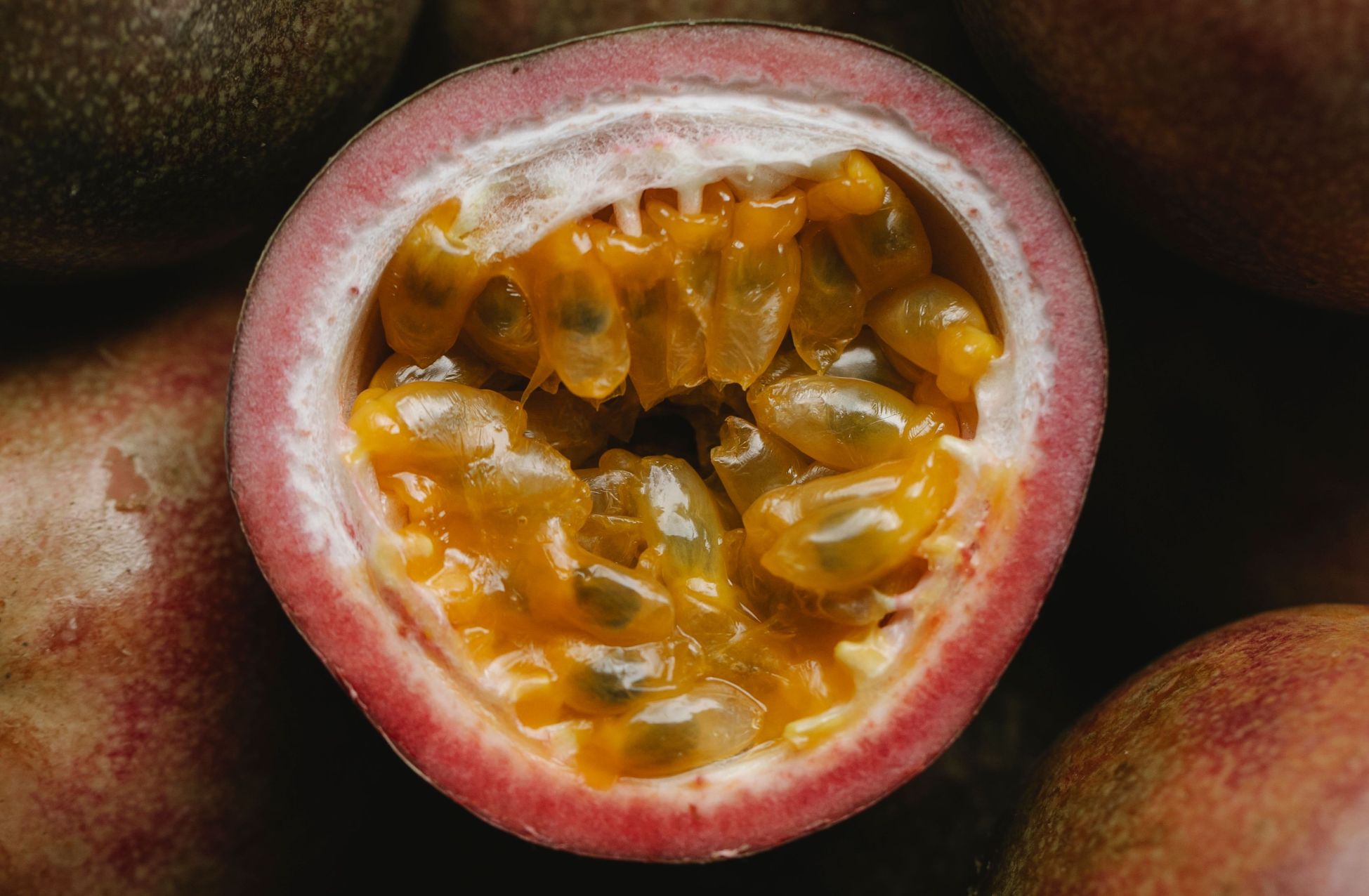
Passion fruit peel flour may help slow glucose absorption.
In Brazil, we call it maracujá. In the United States, most people know it simply as passion fruit — an aromatic tropical fruit increasingly found in juices, smoothies, desserts and cocktails. But there is something about passion fruit that many Americans probably don’t know: one of the most interesting parts of the fruit may be the part most people throw away.
When the thick peel of yellow passion fruit (Passiflora edulis) is processed, dried and ground into flour or powder, it becomes an unusually fiber-rich food ingredient. Brazilian researchers have studied passion fruit peel flour for years, particularly for its potential effects on blood sugar, cholesterol and digestive health. The secret appears to be largely connected to pectin, a type of soluble fiber naturally present in the peel.
From Tropical Fruit to Functional Food
Native to South America, passion fruit has become a familiar crop across tropical and subtropical regions around the world. Brazil, however, has an especially strong relationship with the fruit — both as a major producer and through its widespread use in juices, desserts, sauces and traditional preparations. The plant’s leaves have also traditionally been used in teas associated with relaxation.
The peel, however, has attracted a different kind of attention. Research into yellow passion fruit peel has found it to be particularly rich in soluble dietary fiber. One analysis of passion fruit peel flour found substantial concentrations of soluble fiber and identified pectin as an important component. This matters because soluble fiber behaves differently from many other nutrients once it reaches the digestive tract.
How Could Passion Fruit Peel Affect Blood Sugar?
Pectin absorbs water and can form a gel-like substance in the digestive system. This can slow digestion and influence how quickly carbohydrates and other nutrients are absorbed. In practical terms, soluble fiber may help reduce rapid spikes in blood glucose following a meal. Fiber can also increase satiety — the feeling of being full — which may help people eat less and manage their overall diet more effectively.
That biological mechanism has made passion fruit peel flour particularly interesting to researchers studying type 2 diabetes. In one Brazilian study, 43 adults with type 2 diabetes consumed 30 grams of yellow passion fruit peel flour daily for two months. Researchers reported significant improvements in fasting blood glucose, glycated hemoglobin (HbA1c) and a measure of insulin resistance. Those results helped generate considerable interest in passion fruit peel flour as a potential functional food. But there is an important caveat.
What Does the Science Actually Say?
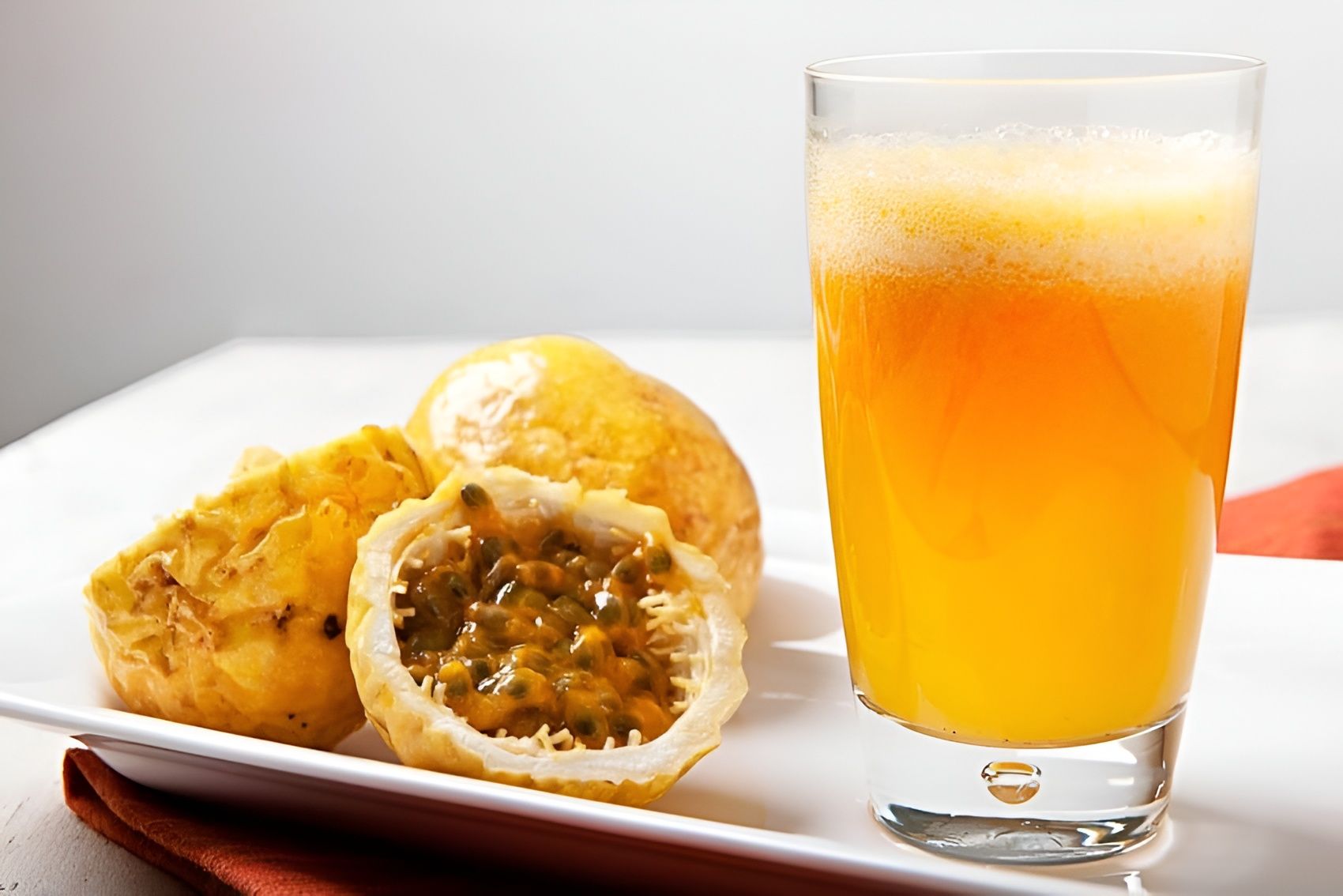
Turning the peel into flour can create a functional food ingredient.
Not every study has produced the same results. A later randomized clinical trial involving 54 people with type 2 diabetes examined the effects of yellow passion fruit rind flour over eight weeks. Unlike the earlier research, investigators found no statistically significant improvement in fasting glucose, capillary blood glucose or HbA1c between the groups.
A subsequent systematic review and meta-analysis examining passion fruit peel flour and glycemic control found evidence of a beneficial effect, but the overall body of human research remains relatively small. That distinction is important.
Passion fruit peel flour is not a proven treatment for diabetes, and it should never replace medication, medical monitoring, exercise or dietary recommendations prescribed by a healthcare professional. What the research does suggest is that the peel is a fiber-rich food with interesting properties that deserve further study.
The Part of the Fruit We Usually Waste
There is another fascinating aspect to this story. The peel represents a substantial portion of the passion fruit’s total weight and is often discarded during juice and food production. Turning it into flour transforms what would otherwise be food waste into a potentially useful nutritional ingredient.
The process generally involves cleaning and processing the peel, drying it thoroughly and grinding it into a fine flour or powder. Commercially prepared passion fruit peel flour can be incorporated into foods and beverages, although consumers should follow the product’s directions and pay attention to its ingredients and nutritional information.
For people with diabetes — particularly those taking glucose-lowering medications — introducing concentrated fiber products or supplements into the diet is something worth discussing with a physician or registered dietitian.
A Functional Food Worth Watching
Passion fruit already has plenty going for it: distinctive flavor, unmistakable aroma and a long history in Brazilian cuisine. Its peel adds another dimension to the story. Science hasn’t established passion fruit peel flour as a miracle solution for controlling blood sugar, and describing it that way would go beyond the available evidence. But research into its pectin and soluble fiber content provides a legitimate reason for scientists — and health-conscious consumers — to continue paying attention. Sometimes, the most interesting part of a food really is the part we have been throwing away.]
FAQ – FREQUENT ASKED QUESTIONS
Can passion fruit peel help lower blood sugar?
Some human studies involving yellow passion fruit peel flour have reported improvements in fasting blood glucose, HbA1c and insulin resistance. However, other randomized research has found no significant improvement. The evidence is promising but not conclusive.
Why is passion fruit peel considered beneficial?
The peel is particularly rich in dietary fiber, including soluble fiber such as pectin. Soluble fiber can form a gel in the digestive tract and may slow the absorption of carbohydrates and glucose.
What is passion fruit peel flour?
It is a flour or powder produced from processed, dried and ground passion fruit peel. In Brazil, it has been investigated as a functional food because of its high fiber and pectin content.
Is passion fruit peel flour good for people with type 2 diabetes?
It may be a useful source of dietary fiber, and researchers have investigated its potential benefits for people with type 2 diabetes. However, it is not an established diabetes treatment. Anyone taking diabetes medication should discuss major dietary or supplement changes with a healthcare professional.
Does passion fruit peel contain pectin?
Yes. Passion fruit peel is a notable source of pectin, a soluble dietary fiber also found in fruits such as apples and citrus fruits.
Can passion fruit peel flour replace diabetes medication?
No. Passion fruit peel flour should not replace prescribed diabetes medications or professional medical care.
Is passion fruit peel the same as passion fruit pulp?
No. The pulp is the aromatic interior commonly eaten fresh or used for juice. Passion fruit peel flour is produced from the outer portion of the fruit after appropriate processing and drying.