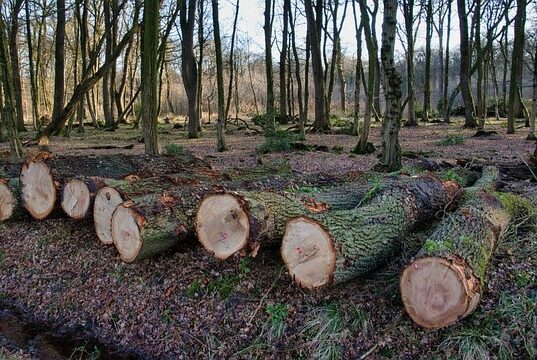
Legal timber trade is a big problem
With deforestation down 22%, Brazil’s Amazon revival offers a model of hope, innovation, and environmental resilience. Brazil’s Ongoing Battle to Protect the Amazon Rainforest: Progress, Challenges, and Hope for 2025
A Renewed Commitment to the Planet’s Green Heart
A fund to prevent deforestation in the Amazon was launched by the Brazilian government with the direct participation of BNDES (Brazil’s National Bank for Economic and Social Development) and IBAMA (Brazilian Institute of Environment and Renewable Natural Resources). Initially formalized in December 2016, the project aimed to strengthen IBAMA’s surveillance capacity through investments in air and land monitoring services in areas under deforestation pressure.
Nearly a decade later, the fight to protect the Amazon rainforest continues – but with encouraging results. Since 2022, Brazil has seen significant reductions in deforestation rates, largely due to improved monitoring technology, stricter enforcement, and international cooperation.
From Historic Loss to Measurable Gains
IBAMA’s long-term monitoring efforts have played a critical role in reducing deforestation from 27,000 km² in 2004 to just over 6,200 km² in 2015, marking one of the most successful environmental turnarounds in history. Over the past decade, while the world debated how to reduce greenhouse gas emissions, Brazil quietly achieved one of the largest CO₂ reductions on the planet — primarily by slowing forest loss.
In November 2023, a New York Times report highlighted that deforestation in the Brazilian Amazon decreased by 22.3% between August 2022 and July 2023, reaching a five-year low. This progress helped reduce Brazil’s overall greenhouse gas emissions by an estimated 7.5% — a hopeful sign that local action can have global impact.
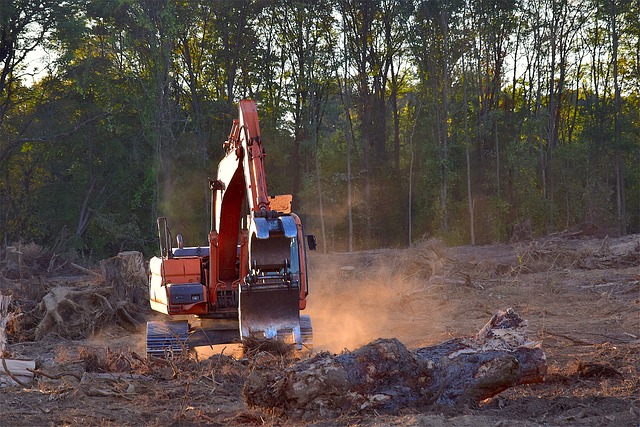
Advanced satellite systems helps to detect deforestation in near real-time
A Network of Effort: Technology, Law, and Civil Society
The success in combating deforestation was not achieved by government action alone. It required collaboration between public institutions, private companies, scientists, and non-profit organizations. Key measures included:
- Strict enforcement of Brazil’s Forest Code and prosecution of illegal deforesters.
- Supply chain accountability, especially in the soybean and beef industries.
- Voluntary moratoria agreements, such as the Soy and Beef Moratoriums, which prevent the sale of commodities linked to deforested land.
- Satellite-based monitoring systems, now more sophisticated than ever, allowing real-time detection of illegal activities.
But perhaps the most powerful force came from the ground: Brazilian civil society. Indigenous peoples, rubber tappers, environmental activists, and local organizations have consistently pressured leaders and companies to act. Their persistence has shaped one of the most successful environmental movements in Latin America.
The Road Ahead: 2025 and Beyond
As of 2025, Brazil’s strategy focuses on sustainable development — protecting forests while improving local livelihoods. New initiatives are expanding forest restoration projects, eco-tourism, and green financing. The Amazon Fund, revitalized with contributions from international partners like Norway, Germany, and the U.K., continues to support projects aimed at reducing emissions from deforestation and promoting renewable economic activities.
Challenges remain: illegal mining, land grabbing, and the economic pressures on forest communities still threaten progress. Yet, the current data suggests a promising shift toward balance – one that values the Amazon not only as a natural wonder but as a cornerstone of global climate stability.
Why It Matters Globally
The Amazon produces 20% of the world’s oxygen and stores 90–140 billion metric tons of carbon. Its protection is not just a Brazilian issue but a planetary responsibility. Each hectare preserved contributes to cleaner air, stable weather patterns, and biodiversity for future generations.

Suspension Bridge in the Brazilian Amazon Forest
FAQ – Frequent Ask Questions
What is the Amazon Fund?
The Amazon Fund is a financial mechanism managed by BNDES to support projects that prevent, monitor, and combat deforestation while promoting sustainable use of the Amazon biome.
Who contributes to the Fund?
Main contributors include Norway, Germany, and the United Kingdom, among others. Brazil manages the funds transparently through BNDES and environmental agencies.
How does satellite monitoring help?
Advanced satellite systems detect deforestation in near real-time, enabling IBAMA and partner organizations to act quickly against illegal activities.
Has deforestation increased or decreased recently?
Between 2022 and 2023, deforestation fell by 22.3%, a major environmental victory and the lowest rate in five years.
What are the main threats today?
Illegal logging, mining, and agricultural expansion still pose challenges, but better law enforcement and local engagement continue to make a difference.