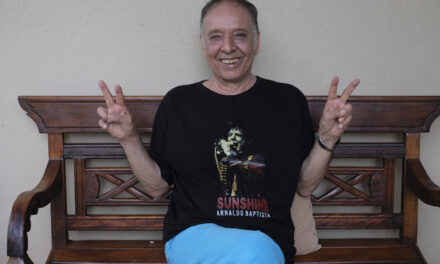
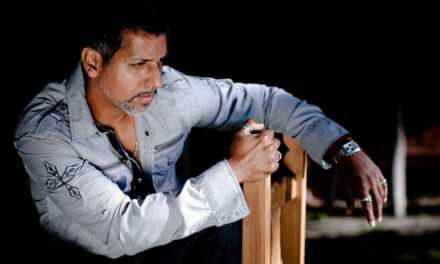
Samba is more than music — it is the heartbeat of Brazilian identity. Born from African roots in Bahia and transformed in Rio de Janeiro’s urban landscape, samba blends cultures, history, and social expression. From Noel Rosa to pagode, its evolution reflects Brazil’s soul at home and abroad.
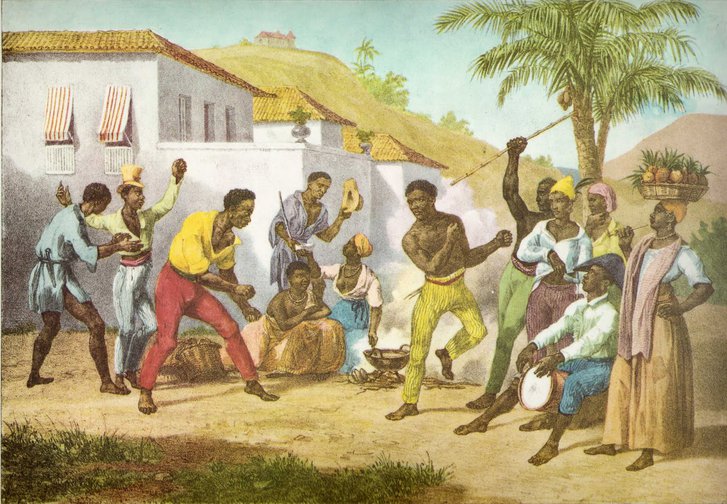
Samba is the living expression of Brazil’s African heritage and cultural resilience.
In this article, we consider that urban samba began in the 1930s in Rio de Janeiro, but its roots go much deeper.
The origin of urban samba can be traced back to samba-de-roda, a musical expression connected to capoeira and to the enslaved Africans brought to Brazil during the 19th century. This early form of samba was born in the Recôncavo Baiano, a region in Bahia known for its strong Afro-Brazilian heritage.
The “roda” (circle) is directly related to the roda de capoeira — a circle formed by capoeiristas, where participants sing traditional songs and clap their hands rhythmically. The music is supported by traditional instruments such as:
• Berimbau
• Atabaque
• Hand clapping and call-and-response singing
From the very beginning, samba represented a fusion of African and European cultures, shaping what would later become one of Brazil’s most powerful cultural symbols.
Samba Becomes Brazilian Identity
By the 1930s, samba had become a central element of Brazilian identity. This was a period of transformation, when talented musicians began to redefine the genre.
One of the most influential names was Noel Rosa, a Brazilian songwriter, singer, and guitar/mandolin player. Considered one of the greatest names in Brazilian Popular Music, Noel Rosa gave samba a new direction.
He:
• Combined Afro-Brazilian roots with a more urban language
• Introduced witty and ironic lyrics
• Turned samba into a vehicle for social commentary
His work helped move samba from marginalized communities into the cultural mainstream of Brazil.
Influences and Innovations of Samba
Although samba was already a mixture of African and European influences, it absorbed new musical elements over time, including:
• Polka
• Maxixe
• Lundu
• Xote
These influences helped shape a distinct identity, especially in Rio de Janeiro.
Officially, the first recorded samba is Pelo Telefone, released in 1917. This marked a milestone in Brazilian music history.
As the years passed, samba grew in popularity. Carnival celebrations expanded, and new variations emerged, such as:
• Samba-enredo
• Samba-canção
• Partido alto
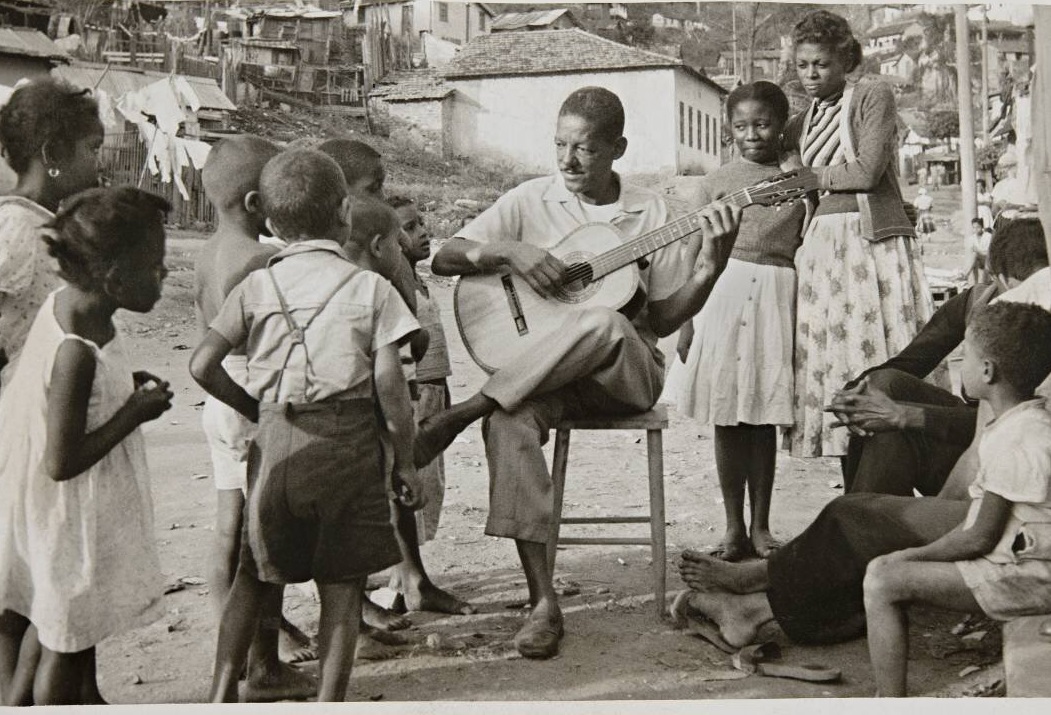
Cartola Photo: Arquivo Diários Associados/Acervo Instituto Moreira Salles
The Great Names of Samba
Some of the most important references in samba history include:
• Pixinguinha
• Cartola
• Nelson Cavaquinho
• Noel Rosa
More recently, artists such as:
• Paulinho da Viola
• Martinho da Vila
• Beth Carvalho
have helped preserve and renew samba’s tradition.
The Emergence of Pagode
In the late 1980s, a new rhythm based on samba began to gain popularity: pagode.
One of the most important references in pagode is the carioca singer Zeca Pagodinho.
Pagode blends the traditional samba beat with slightly different instruments and a more contemporary aesthetic. Emerging bands often focused on:
• Love songs
• Everyday Brazilian life
• Stories of humble communities
While sometimes criticized for its commercial style, pagode expanded samba’s reach and brought it to new generations.
FAQ – Frequently Asked Questions
1. Where did samba originate?
Samba originated in the Recôncavo Baiano region of Bahia, rooted in African traditions brought by enslaved people during the 19th century.
2. When did urban samba begin?
Urban samba began in the 1930s in Rio de Janeiro, evolving from earlier forms like samba-de-roda.
3. What was the first recorded samba?
The first recorded samba was “Pelo Telefone,” released in 1917.
4. Who was Noel Rosa and why is he important?
Noel Rosa was a major Brazilian composer who modernized samba by adding urban themes, irony, and social commentary.
5. What is the difference between samba and pagode?
Pagode is a variation of samba that emerged in the late 1980s, incorporating new instruments and focusing on romantic and everyday themes.