Explore Brazil’s largest city with this São Paulo travel guide. Discover museums, top restaurants, historic landmarks, nightlife, and cultural attractions for your 2026 trip.
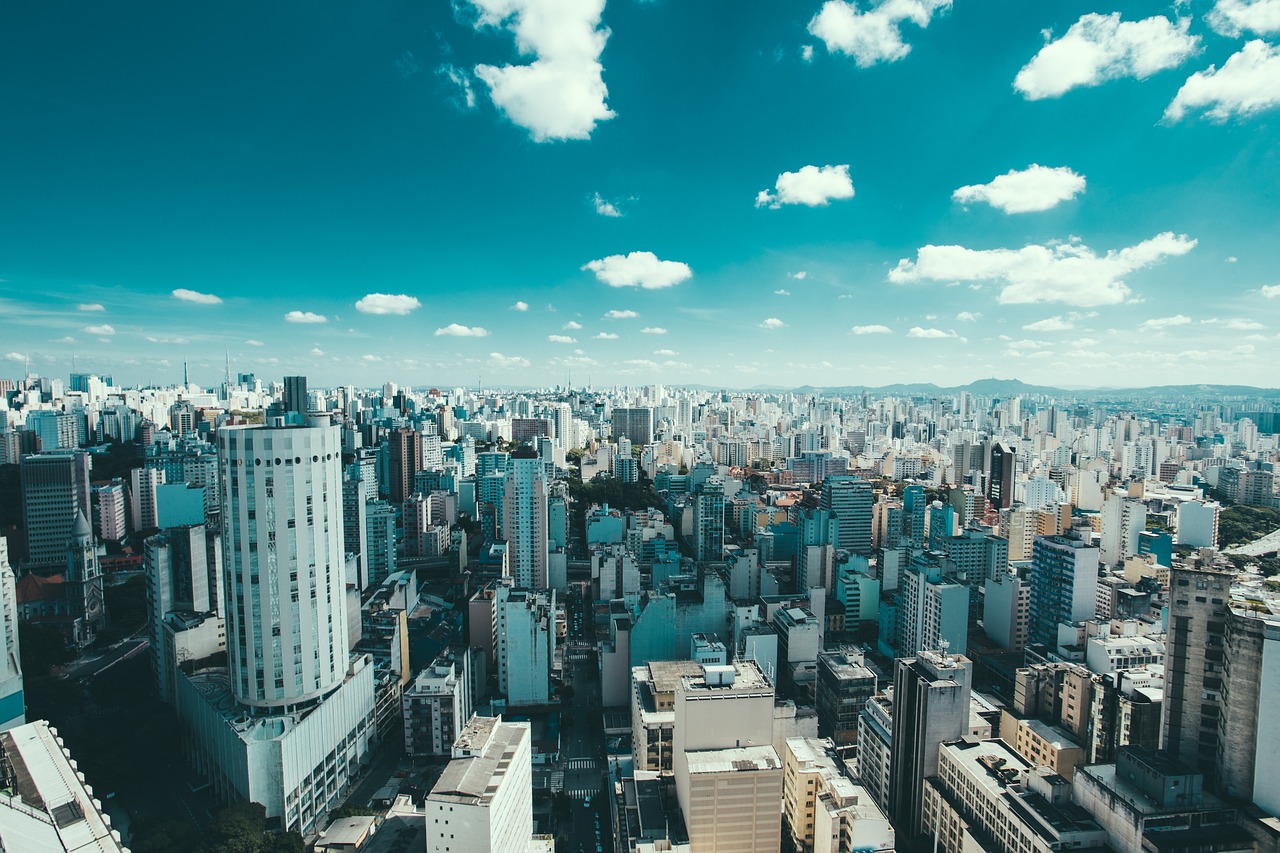
São Paulo is Brazil’s largest city and a global financial center
Most people know São Paulo for its size and global influence. With over 12 million inhabitants, it is Brazil’s largest city and a cultural melting pot. Its streets tell stories of immigrants, traditions, and innovation, offering countless experiences for every taste and age.
Founded in 1554 by priests, the city’s heart lies in the Centro Histórico, marked by:
-
Largo São Francisco
-
Largo São Bento
-
Praça da Sé
Here, Pátio do Colégio, one of Brazil’s oldest buildings, started its journey, educating indigenous populations in religious and cultural practices. Today, São Paulo is a financial hub and one of the most globalized cities in the world.
Gastronomy: A Culinary Paradise
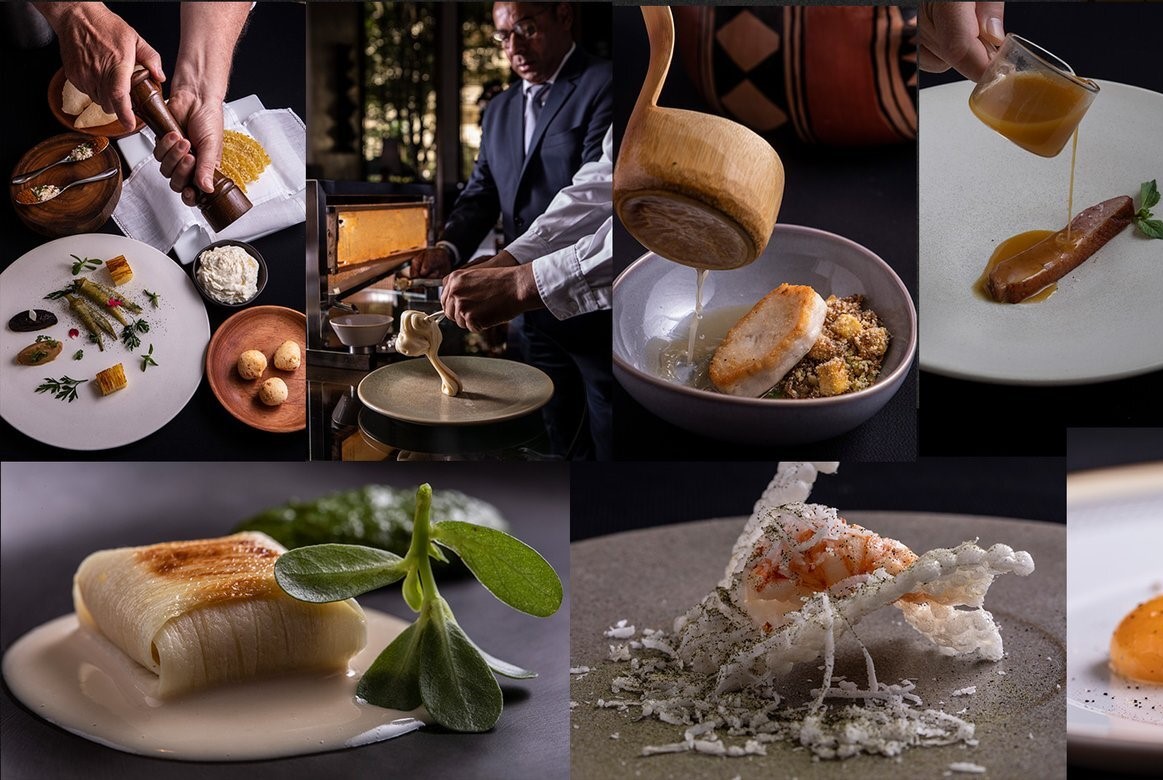
São Paulo is a gastronomic capital, offering international and regional cuisine. Highlights include:
-
Maní
-
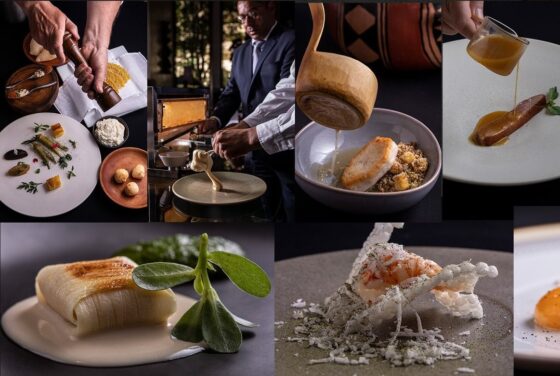
Restaurante D.O.M
Led by Helena Rizzo, a world-renowned chef and MasterChef host.
-
Michelin-starred experience in Jardim Paulistano, with Maní, Manioca, and Padoca do Maní.
-
-
Mocotó
-
Chef Rodrigo Oliveira celebrates Pernambuco cuisine.
-
Famous dishes: baião-de-dois and shredded dried meat.
-
-
D.O.M.
-
Chef Alex Atala pioneers new Brazilian gastronomy.
-
Menu includes Amazonian ants, edible flowers, and foie gras.
-
Two Michelin stars and ranked 4th best restaurant in the world.
-

Ponte Estaiada: a cable-stayed bridge over the Pinheiros river and opened in 2008. Photo by Marcos Leal
Culinary Neighborhoods
-
Liberdade – Japanese and Asian cuisine hub; weekends feature handicraft fairs and street food.
-
Bixiga – Italian restaurants and antique fair at Praça Dom Orione.
-
Mercadão – São Paulo’s historic market with fresh produce, meats, sweets, and a gastronomic tasting space.
Shopping: From Luxury to Bargains
-
Oscar Freire – Icon of luxury shopping, designer stores, and leisurely strolls.
-
25 de Março – Popular shopping area with affordable products, attracting over 400,000 daily visitors.
-
Avenida Paulista – Culture, architecture, and events, including New Year celebrations, LGBTQIA+ Pride Parade, and São Silvestre Race.
-
Other highlights: MASP (São Paulo Museum of Art), Casa das Rosas, Itaú Cultural, and Trianon Park.
Culture: Museums, Centers, and Art
São Paulo hosts over 100 cultural spaces, including:
-
Museu da Língua Portuguesa
-
Pinacoteca do Estado de São Paulo
-
Museu do Futebol
-
Museu do Ipiranga
-

The MASP is the São Paulo Museum of Art located on Avenida Paulista. The 1968 concrete and glass structure building is considered a landmark of the citu and a main symbol of modern Brazilian architecture. Photo by Mike Peel
MASP
-
Bienal of São Paulo – Biennial art exhibition at Pavilhão do Ibirapuera
Many locations offer free or low-cost entry, often without pre-booking.
Nightlife & Bars: From Historic to Modern
-
Bar do Mané – Since 1933, famous for stuffed bologna sandwiches.
-
Bar Léo – Rustic bar with canapés and cold cuts, operating since 1940.
-
Bar do Vito – Lithuanian heritage, specialty pork and beef dishes.
Trendy Nightlife Areas
-
Vila Madalena – Sophisticated bars and music venues.
-
Vila Olímpia – Corporate and young audience hotspots, ideal for happy hours.
-
Rua Augusta – Eclectic nightlife for hipsters, from rock to black music.
-
Board Game Bars – Ludus Luderia (Bela Vista) combines drinks, food, and games like Monopoly and RPGs.
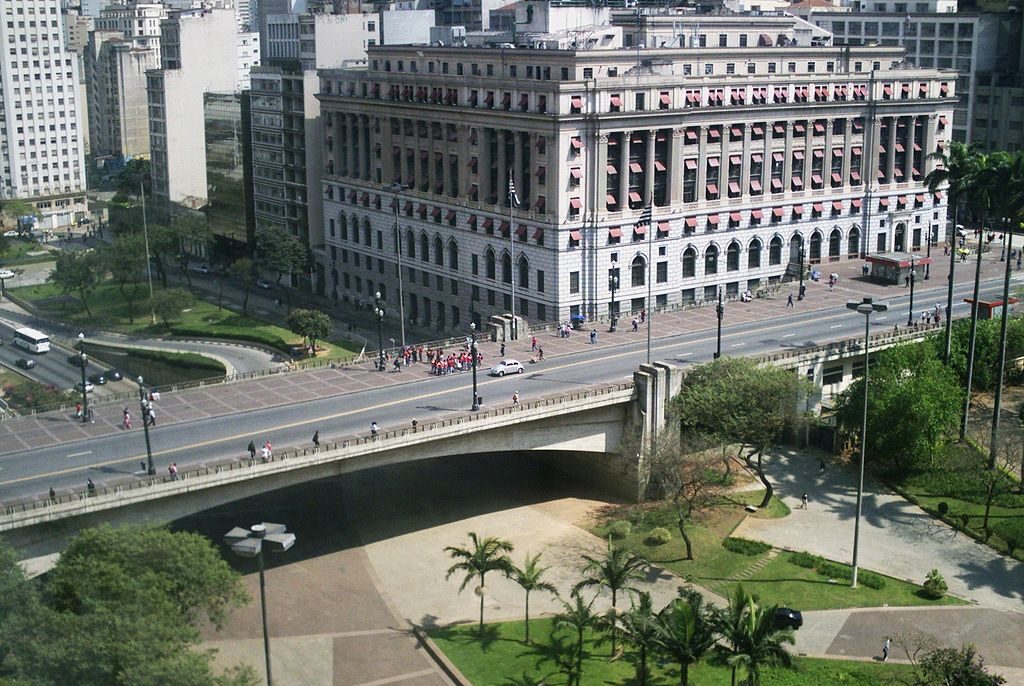
The Viaduto do Chá (“Tea Viaduct”) was the first viaduct built in the city in 1888. It has 790 ft long and often appears in TV interviews, as well as films and telenovelas set in São Paulo, Photo by Felipe Mostarda
Other Must-See Attractions
-
Jardim Zoológico & Botanical Garden – Largest zoo in Latin America.
-
Rua Santa Ifigênia – Electronics shopping street.
-
Cochilo – Private nap pods for short rests, from 15 minutes to 1 hour.
* For airline tickets from the U.S to Brazil or Latin America, customized travel packages, hotels and cruises, please visit our travel agent page or contact Magali Da Silva by phone or whatsapp: 1 (323) 428-1963.
FAQ – Frequently Asked Questions
What is the best time to visit São Paulo?
Anytime is suitable, but spring (September–November) and autumn (March–May) offer mild temperatures.
Are there family-friendly activities?
Yes, including São Paulo Zoo, Botanical Garden, and MASP for art and cultural experiences.
 Where can I try authentic Brazilian cuisine?
Must-visit restaurants: Maní, Mocotó, D.O.M., and traditional neighborhoods like Bixiga and Liberdade.
Is it safe to shop in São Paulo?
Stick to busy streets and malls like Oscar Freire and 25 de Março, and take usual urban precautions.
How can I experience São Paulo nightlife?
Explore Vila Madalena for sophistication, Vila Olímpia for happy hours, and Rua Augusta for eclectic options.