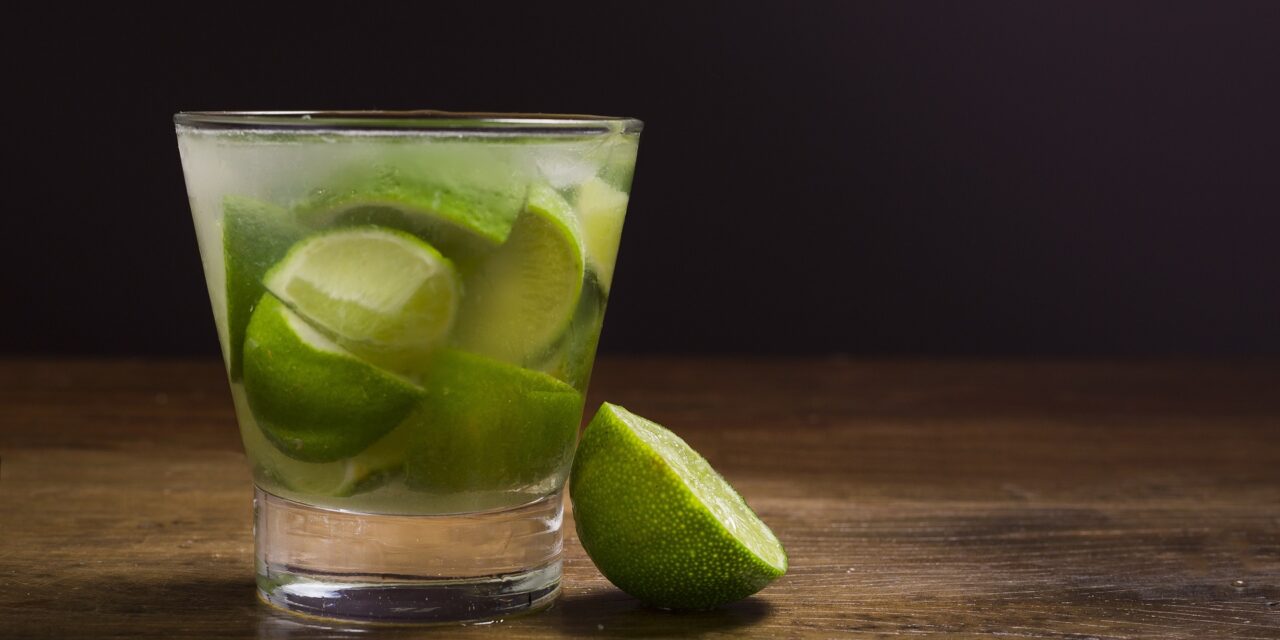
Cachaça, Brazil’s iconic sugarcane spirit, is far more than the base of a caipirinha. Rooted in colonial history and shaped by social prejudice, it has evolved into a symbol of Brazilian identity—now celebrated worldwide, from artisanal distilleries in Minas Gerais to upscale bars in Rio and beyond.
By Alejandro Gedeon
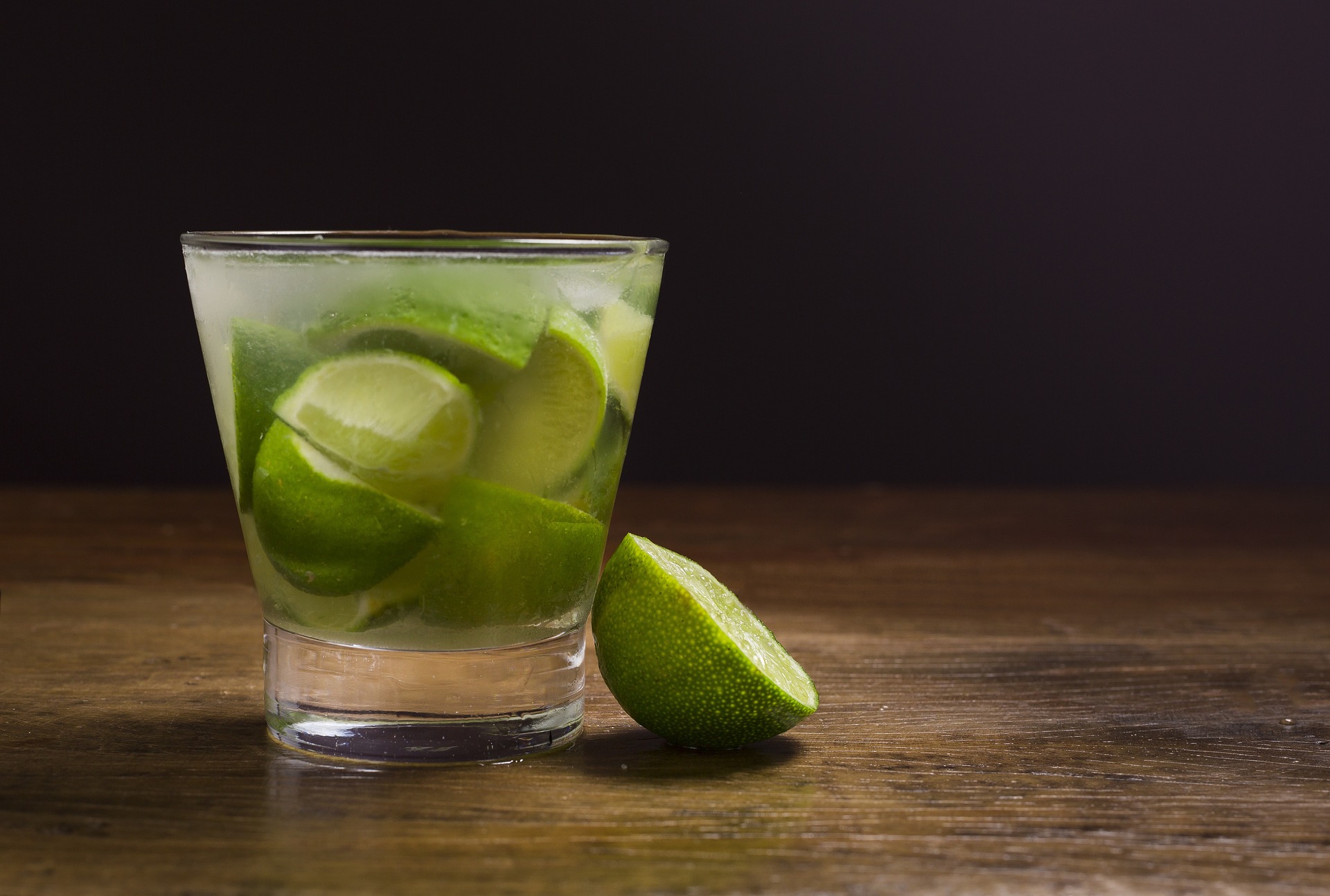
Since the 2000s, cachaça has become widely appreciated in many other countries
It was 1989. I was a student at Cal Arts when I came across a dark bottle from Brazil with an incredible Art Deco label. Opening it felt like uncovering treasure from a shipwreck.
When the first drops touched my lips, something magical happened.
I was possessed by the sugarcane spirit. Childhood memories flooded back—the barn smells, horse sweat, chewed sugarcane sticks, juice running down my face as flies gathered around.
Her name: Cachaça.
Since that moment, my relationship with Brazil’s national spirit has only deepened—so much so that I eventually made a documentary about it. Because inside that bottle, there are secrets.
What Is Cachaça, Really?
Cachaça is a distilled spirit made from fresh sugarcane juice, unlike rum, which is typically made from molasses. It is:
• Brazil’s national distilled spirit
• Produced since the 1500s during colonization
• The base of the famous caipirinha
• The 3rd most consumed distilled drink in the world
Annual production reaches 1.5 billion liters.
Yet despite its importance, it has long carried social stigma.

“Cachaça… strong, devastating, delicious and tasty like a great love”
The Prejudice Against a National Drink
In the 1990s, many of my Brazilian friends in Los Angeles didn’t drink cachaça. Why?
During a trip to Rio in 1995, I visited the legendary Academy of Cachaça in Leblon. They offered around 25 varieties—but most customers were drinking beer.
At supermarkets, the situation was worse:
• Only cheap industrial brands available
• Mostly sold for caipirinhas
• Little respect for artisanal labels
Cachaça was labeled the drink of the poor. Drinkers were called cachaceiros or pinguços—pejorative terms.
It was clear: this was more than taste. It was class prejudice.
The Discovery of Artisanal Excellence
Everything changed when I found “The House of Cachaça” in Lapa, owned by Oswaldo Costa.
There, more than 100 different brands lined the shelves—many sourced directly from Minas Gerais, home to over 8,000 distilleries.
Oswaldo explained the crucial difference:
• Industrial cachaça → mass-produced, low-cost
• Artisanal cachaça → small-batch, carefully distilled, often aged
That’s when the real journey began.
Paraty: A Historic Stronghold
In 2001, I attended the Festival of Cachaça in the colonial town of Paraty.
By the 1700s, the region had nearly 200 distilleries. Today, only five remain—but their brands are among Brazil’s finest.
One small distillery, still powered by a massive water mill, felt like stepping back in time.
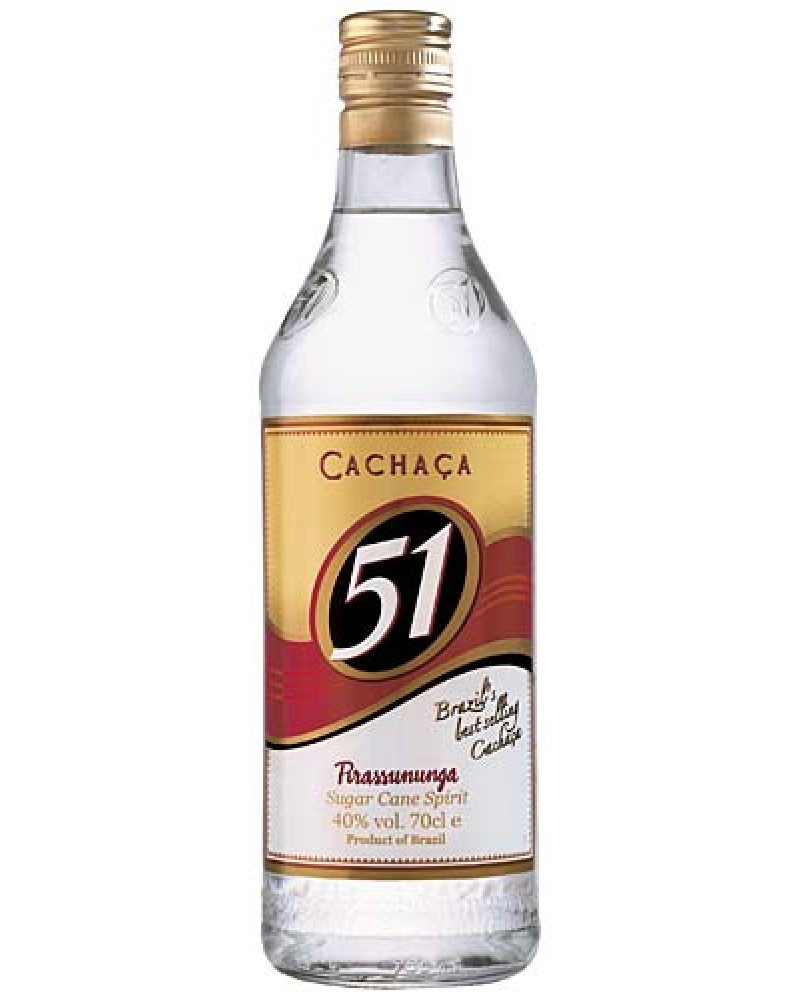
“They use names like ‘cachaceiro’ and ‘pinguço’ for cachaça drinkers”
Salinas: The Cachaça Capital
Eleven miles north of what is now known as the “cachaça capital of the world,” I arrived in Salinas.
There, I met the legendary producer Anísio Santiago, creator of “Havana,” once the most expensive cachaça in Brazil.
Anísio was a man of principle:
• Produced only 5,000 liters per year
• Paid employees with bottles of cachaça
• Believed money was “destroying the world”
• Sold only two bottles per day
His philosophy was simple: “You can’t be thirsty for money.”
A bottle that once cost $15 now sells for around $100.
From Stigma to Global Success
Things began changing in the 2000s.
Upscale supermarkets like Zona Sul in Rio started carrying up to 50 premium labels. Bohemian bars and high-end restaurants began offering quality selections.
International appreciation played a major role:
• Germany
• Japan
• South Africa
• France
• United States
As Europeans and Americans embraced cachaça, Brazilian elites reconsidered their own national treasure.
Fast Facts About Cachaça
Name: Cachaça
Nicknames: Pinga, Caninha, Imaculada (and 100+ more)
Production: 1.5 billion liters annually
Global Ranking: 3rd most consumed distilled spirit
Most Expensive (historically): Havana
Most Popular Brands: Pitu and Caninha 51
Great Alternative: Autêntica
*Alejandro Gedeon is a Colombian filmmaker who was married to co-owner of the Animamundi festival in Rio. He currently lives in Cali, Colombia, and lived for several years in Los Angeles, California.
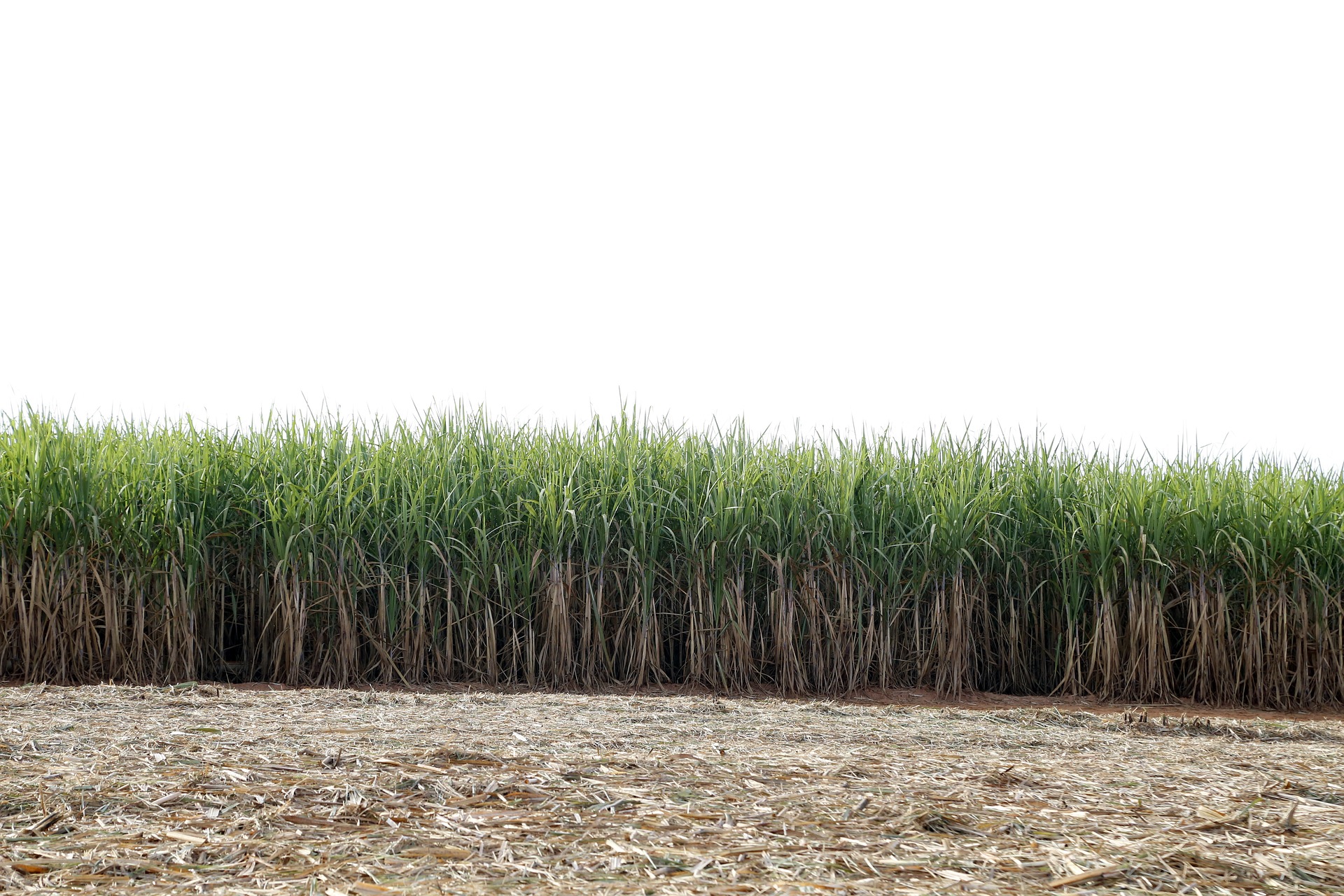
Cachaça is made from sugar cane
FAQ – Frequently Asked Questions
1. Is cachaça the same as rum?
No. While both come from sugarcane, cachaça is distilled from fresh sugarcane juice, whereas rum is usually made from molasses.
2. Why has cachaça faced prejudice in Brazil?
Historically, it was associated with lower-income populations, leading to social stigma among middle and upper classes.
3. What makes artisanal cachaça different?
Artisanal versions are small-batch, often aged in Brazilian woods, and have more complex aromas and flavors.
4. What is the most famous cocktail made with cachaça?
The caipirinha, made with cachaça, lime, sugar, and ice.
5. Is cachaça popular outside Brazil?
Yes. Since the early 2000s, it has gained popularity in the U.S., Europe, Japan, and other international markets.