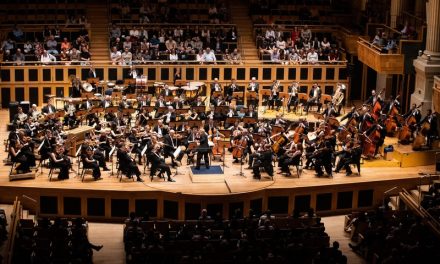
Portuguese is one of the world’s fastest-growing global languages, spoken across four continents and increasingly valuable for business, diplomacy, education, and international communication. For Brazilians living in the United States, understanding the history and global influence of Portuguese reinforces the language’s cultural importance and growing economic relevance.
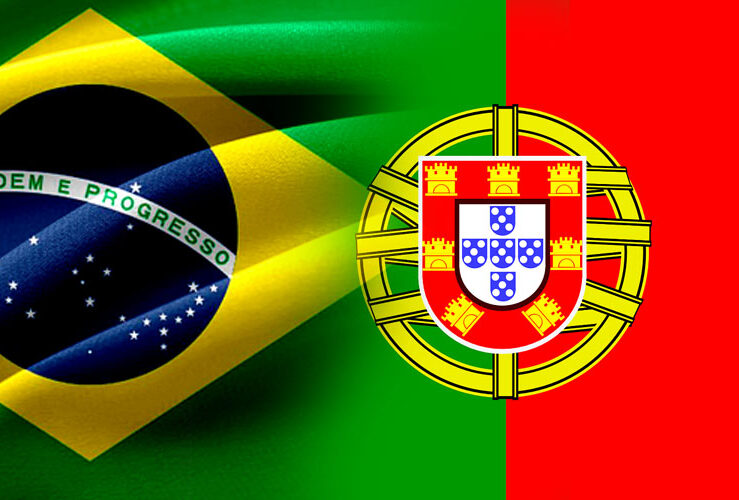
For Brazilians living in the United States, bilingualism in Portuguese and English creates valuable personal and professional opportunities.
Many people know that Portuguese is Brazil’s official language, but fewer realize that it is also one of the world’s most influential languages. Today, Portuguese ranks among the most widely spoken languages globally and is one of the major Romance languages, sharing Latin roots with Spanish, Italian, and French.
Portuguese is spoken not only in Brazil but also across Europe, Africa, and Asia, serving as an official language in countries such as Portugal, Angola, Mozambique, Cape Verde, Guinea-Bissau, São Tomé and Príncipe, and Timor-Leste. Its international presence continues to grow, making it increasingly valuable for education, business, diplomacy, and global communication.
A Language Shaped by Indigenous Brazil
Few Brazilians are familiar with the rich linguistic history that existed before Portuguese arrived with the expedition of Pedro Álvares Cabral in 1500. According to historians, more than 1,000 Indigenous languages were spoken throughout the territory by numerous native peoples.
As Portuguese became established in Brazil, it naturally absorbed vocabulary from Indigenous languages, especially Tupinambá. This cultural exchange enriched Brazilian Portuguese with hundreds of words that remain part of everyday life.
Examples include caatinga, caju (cashew), capim, capivara (capybara), carnaúba, cupim, curió, ipê, jabuticaba, jacarandá, mandacaru, mandioca (cassava), maracujá (passion fruit), piranha, and the internationally known abacaxi (pineapple).
Indigenous influence also remains visible in geographical names such as Aracaju, Avaí, Guanabara, Guaporé, Jabaquara, Jacarepaguá, Jundiaí, Paraty, and Piracicaba, as well as in popular Brazilian expressions like “andar na pindaíba” (to be broke) and “estar de tocaia” (to lie in wait).
African Heritage Left a Lasting Linguistic Legacy
African cultures profoundly shaped Brazilian identity, language, religion, cuisine, music, and traditions.
The arrival of Bantu- and Yoruba-speaking peoples introduced musical traditions that later evolved into iconic Brazilian rhythms such as samba and frevo.
Afro-Brazilian cuisine also reflects this heritage through dishes including acarajé, abará, vatapá, and quindim.
Religious traditions such as Candomblé preserve the worship of orixás including Iemanjá, Oxum, and Iansã.
Languages such as Kimbundu, spoken in Angola, contributed familiar words like cafuné, caçula, and moleque, while historical terms including senzala, capoeira, and maxixe also became part of Brazilian Portuguese.
European Immigration Helped Shape Regional Portuguese
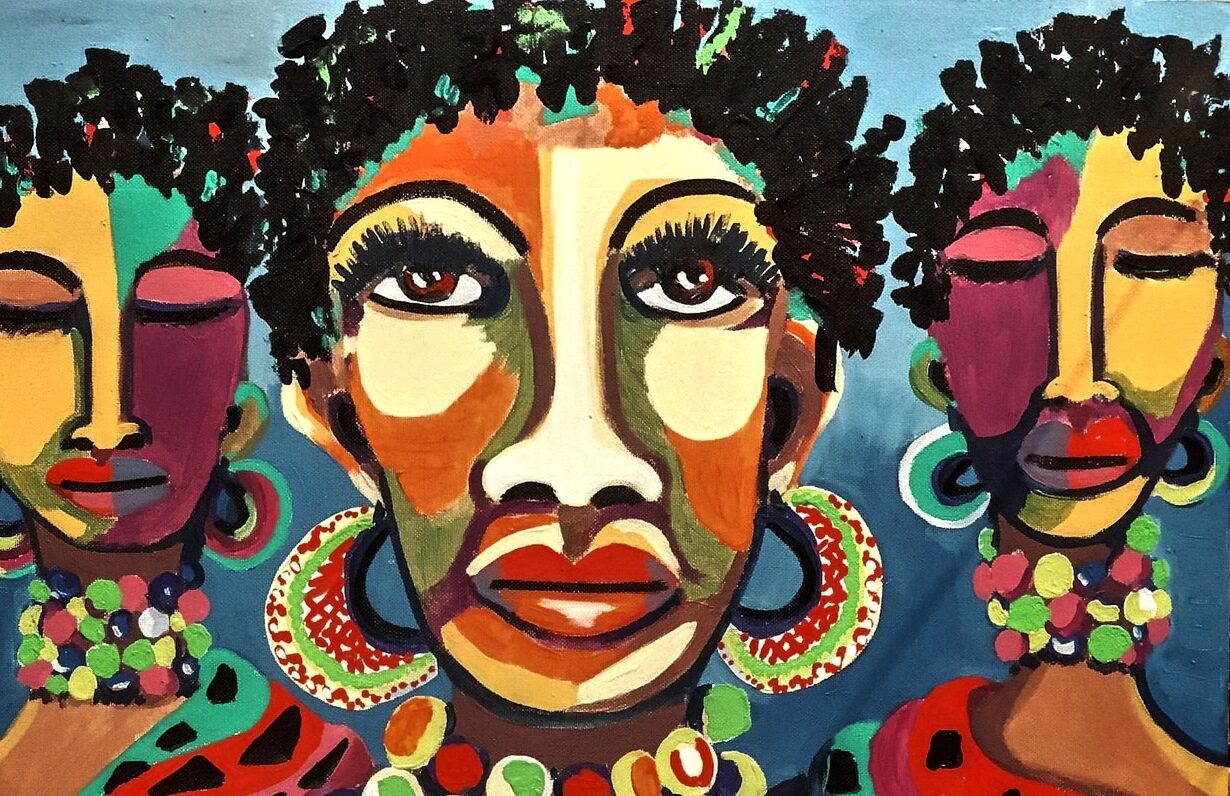
Brazilian Portuguese was shaped by Indigenous, African, European, and modern international influences over more than five centuries.
Following Brazil’s independence in 1822 and the end of the transatlantic slave trade in 1850, large waves of European immigrants—particularly Germans and Italians—settled in Brazil during the late nineteenth and early twentieth centuries.
Their arrival helped shape the regional varieties of Brazilian Portuguese that exist today.
In northeastern states such as Bahia and Pernambuco, Indigenous and African influences remain especially strong.
Meanwhile, southern states like Santa Catarina and Rio Grande do Sul, which attracted significant German and Italian immigration due to their climate, developed distinct accents and vocabulary influenced by those communities.
English Continues to Influence Modern Brazilian Portuguese
Globalization has brought another layer of transformation to Brazilian Portuguese.
Through cinema, television, technology, social media, and international business, English expressions have become increasingly common in everyday speech.
Words and expressions such as fitness, gym, online, happy hour, Halloween, and Black Friday are now widely used across Brazil, particularly in larger cities.
This ongoing evolution has contributed to a more international vocabulary while preserving Portuguese’s unique identity. Although Brazilian Portuguese and European Portuguese share essentially the same vocabulary, pronunciation and phonetics differ noticeably.
Why Portuguese Has a Bright Global Future
Portuguese has become far more than Brazil’s national language.
It is now an international language connecting millions of people across four continents and creating opportunities in business, tourism, diplomacy, education, science, and technology.
As Brazil continues to play an important role in agriculture, energy, environmental preservation, innovation, and international trade, Portuguese is expected to become even more relevant worldwide.
For Brazilians living in the United States, maintaining fluency in Portuguese represents more than preserving cultural identity—it is also a valuable professional asset that can open doors in bilingual careers, international business, education, media, healthcare, and government services.
As globalization continues to connect markets and cultures, Portuguese is increasingly positioned as one of the languages of the future.
Frequently Asked Questions – FAQ
1. Is Portuguese one of the most spoken languages in the world?
Yes. Portuguese is among the world’s most spoken languages, with more than 260 million speakers across multiple continents.
2. Which countries have Portuguese as an official language?
Portuguese is the official language of Brazil, Portugal, Angola, Mozambique, Cape Verde, Guinea-Bissau, São Tomé and Príncipe, Equatorial Guinea (co-official), and Timor-Leste.
3. Why is Portuguese becoming more important globally?
Its growing economic relevance, Brazil’s international influence, expanding African economies, and increasing global business opportunities have strengthened Portuguese as an international language.
4. How did Indigenous and African cultures influence Brazilian Portuguese?
They contributed thousands of words, place names, expressions, culinary terms, religious vocabulary, and cultural traditions that remain essential to modern Brazilian Portuguese.
5. Why should Brazilians living in the U.S. maintain their Portuguese?
Being bilingual offers advantages in employment, education, business, healthcare, government services, media, and helps preserve cultural identity across generations.