Brazilian music, known globally as MPB (Música Popular Brasileira), evolved from a fusion of African and European traditions into a powerful cultural force. From samba to bossa nova, Tropicália to modern digital sounds, Brazil continues to reinvent its musical identity for the world.
By Lizoel Costa
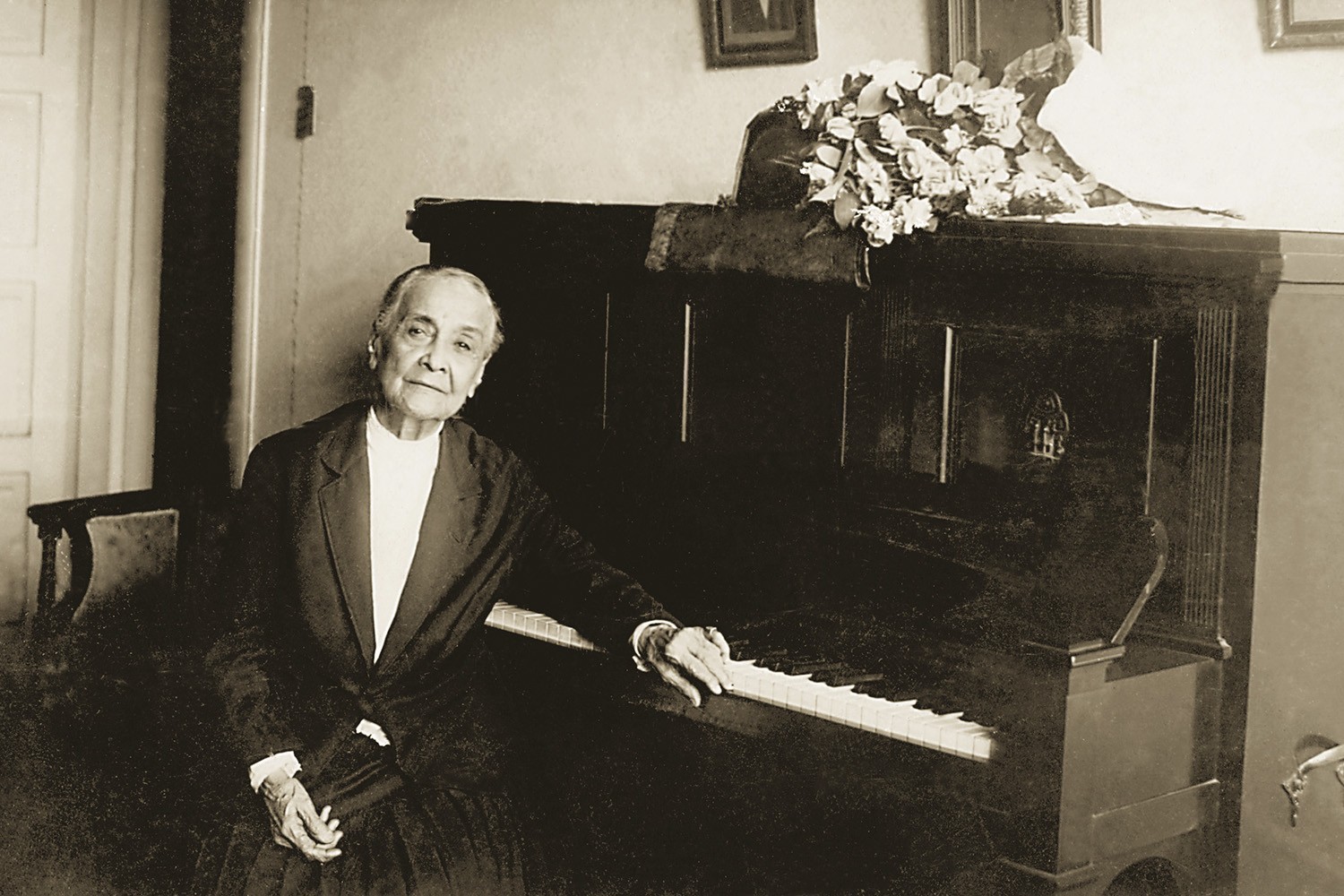
Chiquinha Gonzaga fused European modinha with African lundu.
Brazilian Popular Music traces its roots to the late 19th and early 20th centuries, shaped by pioneers like Chiquinha Gonzaga. Her compositions fused Portugal’s sentimental modinha with the African lundu, creating a new rhythmic identity.
This blend introduced syncopation, sensuality, and Afro-Brazilian influence into elite salons—marking the beginning of a musical transformation rooted in cultural exchange.
The Birth of Samba and a National Sound
In 1917, samba emerged as a defining genre with “Pelo Telefone”, written by Donga and Mauro de Almeida, and popularized by Bahiano. Figures like Ismael Silva helped shape its evolution.
Like the blues in the United States, samba carried the emotional history of Afro-Brazilian communities, shaped under colonial repression. Over time, religious and cultural syncretism—often tolerated within enslaved communities—deeply influenced Brazil’s musical DNA.
The Golden Age: Radio, Samba Legends and MPB
Throughout the 20th century, icons like Pixinguinha, Noel Rosa, and Ary Barroso built the foundation of MPB.
The 1950s Golden Age of Radio amplified Brazilian music nationwide, paving the way for Bossa Nova, led by João Gilberto. His minimalist guitar style revolutionized rhythm and vocal delivery.
Meanwhile, Carmen Miranda introduced Brazilian culture to global audiences—albeit through a stylized Hollywood lens.
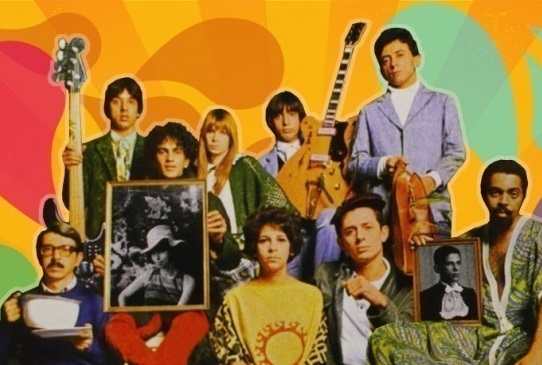
Tropicália fused Brazilian rhythms with electric guitars and psychedelia.
Bossa Nova: Brazil Meets the World
Bossa Nova elevated Brazilian music internationally with artists like Tom Jobim and Vinicius de Moraes.
Blending jazz harmonies with samba rhythms, the genre created a sophisticated, globally respected sound that redefined Brazil’s musical image.
Tropicália: Innovation and Cultural Disruption
The late 1960s brought the revolutionary Tropicália movement, led by Caetano Veloso and Gilberto Gil.
By mixing electric guitars, psychedelia, and Brazilian rhythms, Tropicália challenged cultural norms. For some, it was controversial; for others, it symbolized artistic freedom.
Music as Resistance: The 1970s
During Brazil’s military dictatorship, music became a subtle form of protest. Artists like Chico Buarque, Elis Regina, and Milton Nascimento used metaphor and poetry to express resistance.
MPB evolved into a vehicle for political expression and cultural preservation.
The 1980s: Rock and Reinvention
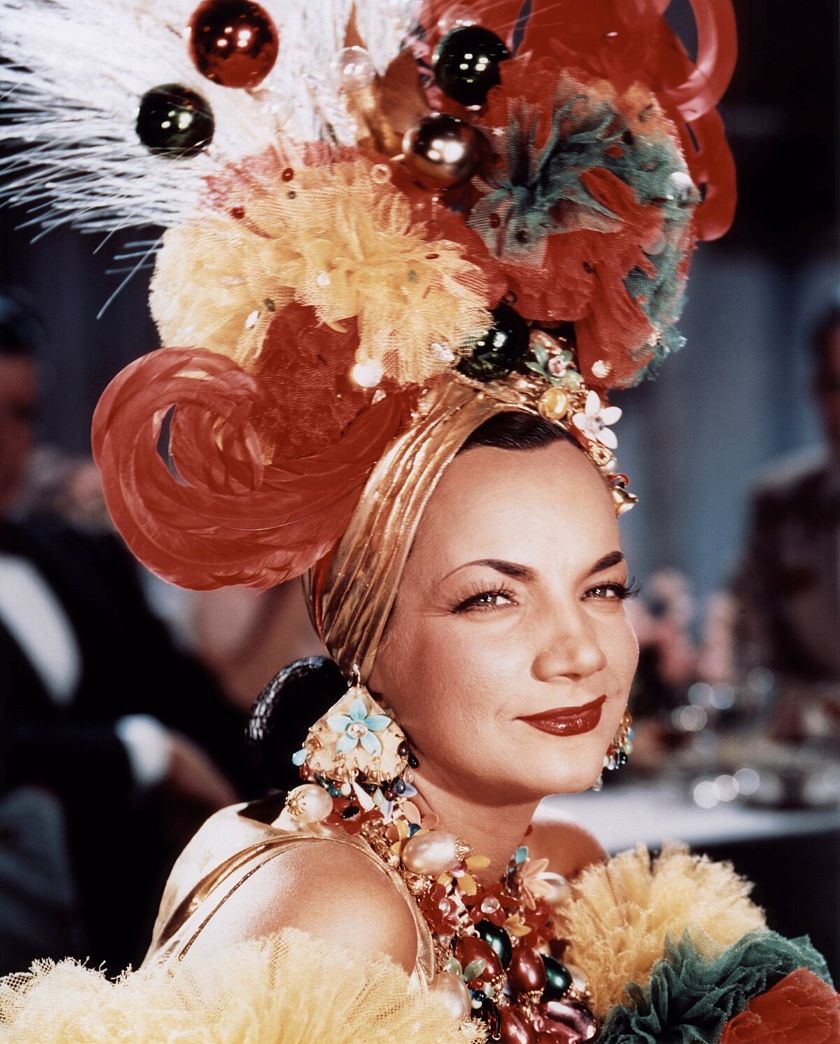
Carmen Miranda introduced Brazilian culture abroad in a stylized Hollywood form.
With the return of democracy, Brazil embraced experimentation. Bands like Titãs and Legião Urbana created a distinct Brazilian rock identity, moving beyond foreign influences.
The 1990s and the Digital Shift
The 1990s marked a turning point as the internet disrupted the music industry. Artists gained independence from major labels, blending samba, rock, hip hop, and electronic music.
This era reconnected Brazil to its roots while embracing global trends.
The 21st Century: A Borderless Sound
Today, Brazilian music is fluid, hybrid, and globally connected. Genres overlap freely:
- Samba meets electronic beats
- Rock merges with Afro-Brazilian percussion
- Indie artists revisit classic MPB influences
This “blurred” moment may signal the next great musical revolution.
* Lizoel Costa is a journalist and musician. He was a member of the Brazilian group “Língua de Trapo” in Rio de Janeiro. He currently lives in Campo Grande, Mato Grosso, where he hosts the radio show “Na Cadeira do DJ” on Regional Radio FM. Contact: lizoelcosta_terra.com.br
FAQ – Frequently Asked Questions
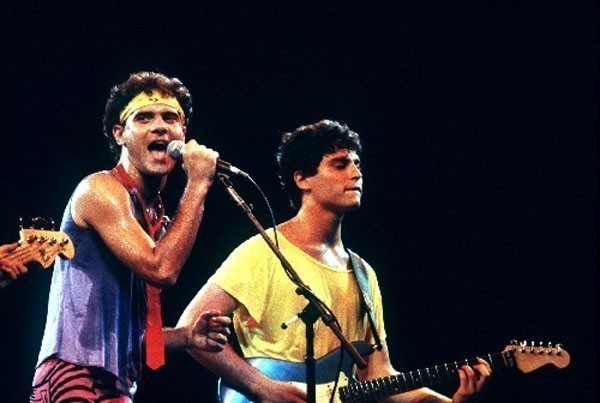
Bands like Titãs and Legião Urbana shaped a distinct Brazilian rock identity.Bands like Titãs and Legião Urbana shaped a distinct Brazilian rock identity.
1. What is MPB and why is it important?
MPB (Música Popular Brasileira) blends samba, bossa nova, jazz, rock, and regional styles, representing Brazil’s evolving cultural identity.
2. What was the first recorded samba?
“Pelo Telefone” (1917), by Donga, is widely considered the first recorded samba.
3. How did Bossa Nova impact global music?
It introduced jazz-influenced harmonies and minimalist rhythms, elevating Brazil’s international musical reputation.
4. What is Tropicália?
A 1960s movement blending psychedelia, political commentary, and Brazilian rhythms, led by Caetano Veloso and Gilberto Gil.
5. How has Brazilian music evolved today?
It now mixes traditional and modern genres, fueled by digital platforms and global collaboration.