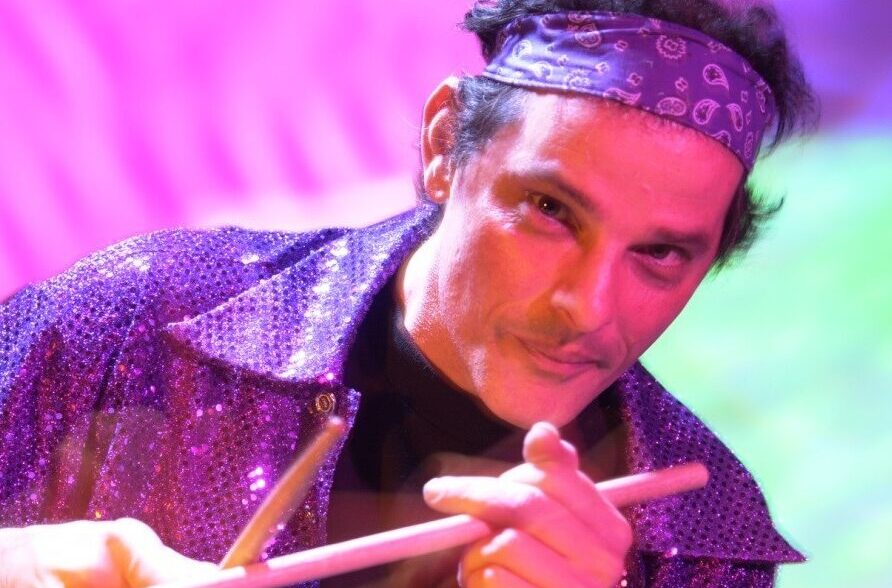
Mariano Silva, a Salvador-born artist, blends Afro-Brazilian rhythms, capoeira, and dance into his unique “Bossa Afro-Negra,” inspiring communities across California. His work connects tradition, culture, and social impact in the U.S.
Mariano Silva’s artistic roots are deeply connected to Afro-Brazilian traditions from Salvador, Bahia.
Born in Salvador, Bahia, Marcos Mariano Silva grew up immersed in the rich traditions of Afro-Brazilian culture. Inspired by his mother’s voice singing Candomblé songs and the aromas of traditional dishes like Caruru and Vatapá, his artistic journey began early.
At just 12 years old, Mariano started dancing—his movements deeply rooted in the ancestral heritage of African traditions and influenced by his brothers, who played percussion instruments like the timbale.
Capoeira and Artistic Formation
Surrounded by Salvador’s vibrant cultural scene, Mariano developed a strong connection to music and movement. At 13, he began training capoeira under Mestre Angola, a respected figure in his community.
Over the next decade, he built a profound understanding of this Afro-Brazilian art form, blending:
- Dance
- Music
- Rhythm
- Cultural expression
After graduating in Physical Education for Youth, he founded the Grupo de Capoeira Angola Renascer, where he began teaching capoeira, dance, and percussion.
From Brazil to California: A New Chapter
In 2001, Mariano moved to the United States after an invitation from Amen Santo. In Los Angeles, he performed with the Ballet Folkloric of Brazil, participating in national tours that included the prestigious John F. Kennedy Center for the Performing Arts.
After visiting Santa Barbara, he fell in love with the city and decided to settle there—building a new chapter of his artistic career in what is often called the “California Riviera.”
Building “Bossa Afro-Negra” in the U.S.
With charisma and dedication, Mariano introduced his signature concept: “Bossa Afro-Negra”—a powerful fusion of Afro-Brazilian rhythms, dance, and cultural storytelling.
Over the years, he:
- Expanded his classes to hundreds of students
- Performed for thousands of audiences across California
- Engaged in community work, including:
- Programs for children with diabetes
- Support for at-risk youth
- Activities in elderly homes
His work goes beyond performance—it is a tool for social transformation and cultural connection. To know more about the artist visit his Facebook Page here.
Music, Community, and Cultural Impact
Mariano is also the founder of the band Prakantar, which blends Afro-Brazilian music with tropical rhythms, and leads his Batucada School, focused on traditional Bahian drumming.
His influence is especially visible in major cultural events such as:
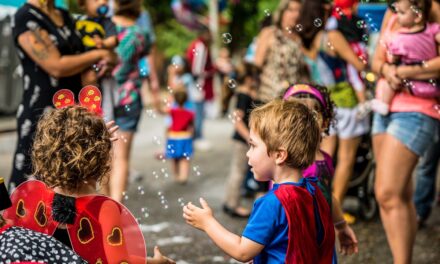
- The Annual Santa Barbara Summer Solstice Parade
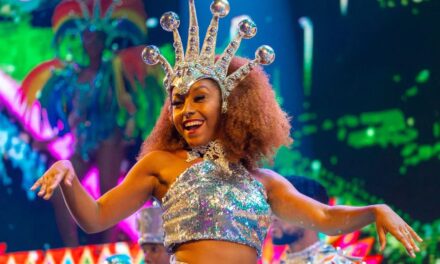
- The Santa Barbara Brazilian Carnaval Cultural
Through these initiatives, he has helped bring communities together and strengthen the presence of Brazilian culture in the United States.
A Cultural Ambassador of Brazil
Recognized as an inspiring leader, powerful singer, visionary choreographer, and skilled musician, Mariano continues to expand the reach of his work.
The “baiano from Salvador” remains committed to sharing the energy and richness of Afro-Brazilian culture, leaving a lasting impact on audiences and communities across the U.S.
FAQ – Frequently Asked Questions
1. Who is Mariano Silva?
A Brazilian dancer, musician, and choreographer from Salvador, Bahia, known for his Afro-Brazilian cultural work in the U.S.
2. What is “Bossa Afro-Negra”?
It is Mariano’s signature artistic style, blending Afro-Brazilian rhythms, dance, and cultural traditions.
3. When did Mariano move to the United States?
He moved to Los Angeles in 2001 after being invited by choreographer Amen Santo.
4. What groups did he found?
He founded the Grupo de Capoeira Angola Renascer, the band Prakantar, and a Batucada School.
5. What is his impact in the U.S.?
He promotes Brazilian culture through performances, classes, and community programs across California.