Pelourinho, in Salvador, Bahia, is the cultural and historical heart of Afro-Brazilian identity. Recognized by UNESCO as a World Heritage Site, the neighborhood blends colonial architecture, capoeira, music, and vibrant traditions. More than a tourist destination, Pelô is a living symbol of Brazil’s history and cultural resilience.
By Lindenberg Junior / English Edition: Ann Fain

Recognized by UNESCO in 1985, it is one of Brazil’s most important heritage sites
It’s right there, in the “Pelô,” that people from Bahia and tourists meet. Visitors surrender themselves to hair braids while Olodum warms up its drums. It is where the “Filhos de Gandhi” (Sons of Gandhi) and Ilê Ayê carnival blocks take their first steps during Carnival. Boys and girls play capoeira, and local pottery can be purchased.
The Pelourinho Ladder and some adjacent streets are paved with “cabeça-de-negro” stones (literally “head of a black person”), a powerful reminder of Brazilian history.
Museums, Heritage & Afro-Brazilian Legacy
Located in Pelourinho are:
-
Fundação Casa de Jorge Amado (Jorge Amado House Foundation)
-
Benin House
-
The Old Medical School
The former Medical School now houses the Afro-Brazilian Museum, with objects ranging from African cults to the Orixás, and the Archeology and Ethnology Museum, displaying artifacts found at archeological sites.
Recognized by UNESCO as a World Heritage Site since 1985, Pelourinho is considered the most important place in Salvador and spreads art throughout the state of Bahia.
Architecture That Tells Bahia’s Story
The stone-covered streets, small houses, and ancient churches narrate the story of Bahia and its people. Old buildings, monuments, and celebrations express the history, art, and culture of Salvador — the most influential Afro-Brazilian city in Brazil.
With more than 800 architectural constructions, including lofts, manors, small palaces, churches, and convents, Pelourinho exhibits the true identity of Bahia. It is the most visited location in Salvador by both Brazilian and international tourists.
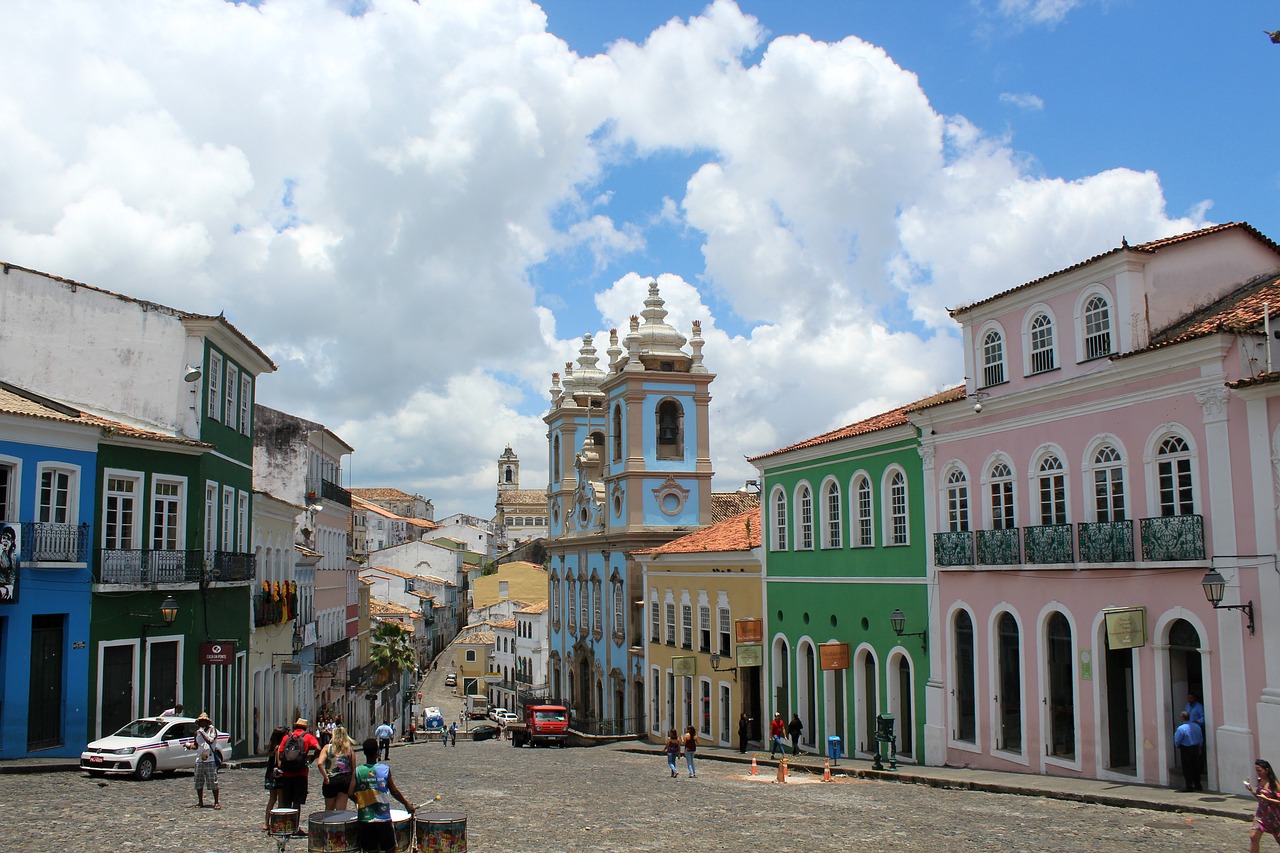
Capoeira, Axé music, and drum rhythms define the vibrant energy of Pelô
From Nobility to Restoration
During the 17th century, wealthy rural landowners built sumptuous houses in the Historical Center. The number of churches increased, and from the 19th century onward, commerce began to dominate the area.
As noble families moved elsewhere, many buildings were left behind and later turned into brothels. Until 1994, Pelourinho was not considered a recommended destination. However, restoration efforts that began around that time revitalized the neighborhood, unlocking its tourism potential and adding a renewed cultural dimension.
Music, Dance & The Spirit of Pelô
Dance “this,” dance “that,” dance “na boca da garrafa” (the bottle dance) or dance “no cabelinho” (the hairdo dance). Every year, new choreographies emerge from Bahia’s most humble neighborhoods — sometimes gaining worldwide recognition.
The sound of Bahian drums is constant throughout the year. The rhythm dictates the body’s movement. Pelô means animation, culture, and happiness.
Beyond traditional Axé music, visitors can also enjoy salsa and jazz.
Beyond the Historic Center
Leaving the Historical Center toward the Associação Atlética da Bahia, you may find Margareth Menezes energizing crowds with her concerts or Araketu rehearsing at the Aeroclube.
That is the essence of Pelourinho and its surroundings: happiness, good vibes, berimbau sounds, capoeira, pottery, safety, enthusiastic tourists, and above all, history and tradition. Axé!
FAQ – Frequently Asked Questions
1. Why is Pelourinho important in Brazilian history?
Pelourinho represents the heart of Afro-Brazilian culture and colonial history in Salvador. It preserves architecture, traditions, and cultural expressions that shaped Brazil.
2. Is Pelourinho a UNESCO World Heritage Site?
Yes. UNESCO recognized Pelourinho as a World Heritage Site in 1985 due to its historical and cultural significance.
3. What cultural activities can visitors experience in Pelourinho?
Visitors can enjoy capoeira performances, Afro-Brazilian museums, Axé music, drum rehearsals, artisan pottery, and Carnival traditions.
4. Is Pelourinho safe for tourists today?
After major restoration efforts beginning in 1994, Pelourinho became a revitalized and safer tourist destination.
5. Why is Pelourinho meaningful for Brazilians living in the U.S.?
For Brazilians abroad, Pelourinho symbolizes identity, ancestry, music, and cultural roots — a powerful emotional connection to Bahia and Brazil.