Brazilian music is one of the country’s most influential cultural exports, blending Indigenous, African, European, and immigrant traditions into a unique musical identity. From Bossa Nova to contemporary artists, Brazil continues to shape global music while inspiring audiences around the world.
By Liliana Falabella
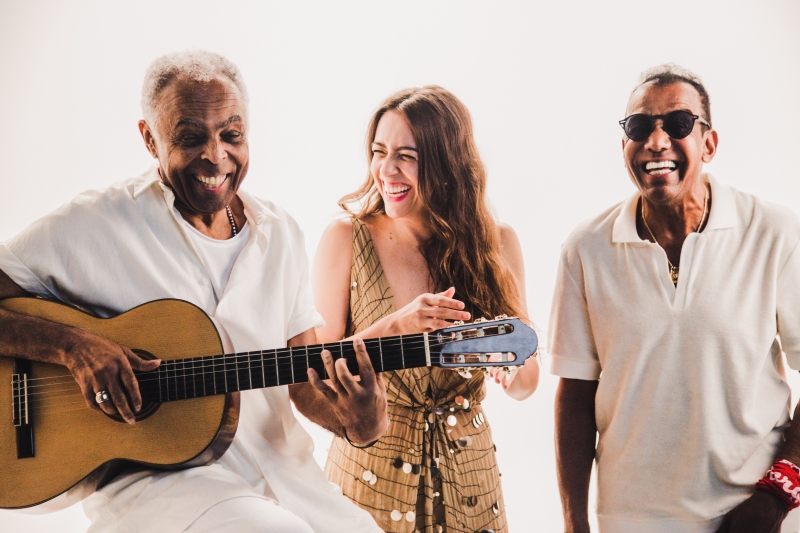
The richness of Brazilian music comes from the fusion of Indigenous, African, European, and immigrant traditions developed over centuries.
Brazilian music is celebrated worldwide for its extraordinary diversity of rhythms, styles, and cultural influences. From the timeless melodies of Dorival Caymmi to today’s internationally recognized artists, Brazil’s musical heritage continues to evolve while remaining deeply connected to its roots.
Lately, I have been listening to the work of legendary Brazilian composer Dorival Caymmi, whose music prompted me to reflect on what truly defines Brazilian music. Although Caymmi is no longer with us, his remarkable body of work remains one of the country’s greatest cultural legacies, representing Brazil at its very best.
A Universal Language
Few musical traditions are as instantly recognizable as Brazilian music. Its rhythms, melodies, and emotional richness have captivated audiences across continents for decades.
Today, musicians from every corner of the world perform Brazilian songs, and California offers countless examples of this growing appreciation. Whether played by Brazilians living abroad or by international artists inspired by the country’s culture, Brazilian music continues to win new admirers every year.
Like soccer, Brazilian music has become a global symbol of Brazil.
The Lasting Legacy of Bossa Nova
One of the greatest milestones in Brazil’s international musical journey was the emergence of Bossa Nova during the late 1950s and 1960s.
The movement introduced the world to legendary artists such as Antônio Carlos Jobim, João Gilberto, Sergio Mendes, Gilberto Gil, and Caetano Veloso, opening doors for countless other Brazilian musical styles to gain international recognition.
Today, a new generation of artists continues that legacy. Singers and musicians such as Céu, Lenine, Maria Rita, and Seu Jorge have expanded the global reach of Brazilian music, while many others continue to introduce fresh sounds to international audiences.
A Musical Identity Built on Diversity
Since its origins, Brazilian music has been shaped by the meeting of different cultures.
During Brazil’s colonial period, Indigenous peoples, African communities brought through slavery, and European settlers all contributed musical traditions that gradually merged into a unique cultural identity.
These influences remain clearly audible in contemporary Brazilian music.
At the end of the 19th century and the beginning of the 20th century, new waves of immigrants from Europe, Asia, and the Middle East arrived in Brazil, bringing additional rhythms, instruments, and musical traditions that became part of the country’s cultural fabric.
From Tropicalia to the 21st Century
The cultural revolutions of Bossa Nova and Tropicália transformed how the world viewed Brazilian music during the 1960s.
These movements challenged traditional concepts of national identity while embracing innovation, experimentation, and international influences.
In the 21st century, Brazilian music continues this creative process through the concept of Anthropophagy (Anthropofagia)—a cultural philosophy that embraces outside influences, absorbs them, and transforms them into something uniquely Brazilian.
Rather than simply copying global trends, Brazilian artists reinterpret them through the country’s own cultural lens, creating entirely new sounds.
Nature as a Source of Inspiration
The idea of Anthropophagy also recalls Brazil’s Indigenous heritage.
Historically, some Indigenous groups practiced ritual cannibalism, but they also maintained a profound spiritual connection with nature—honoring rivers, forests, oceans, and wildlife as sacred elements of life.
Brazilian music often reflects this intimate relationship with nature.
The sounds of rain, birds, rivers, forests, and the sea have inspired generations of composers, reinforcing the country’s deep cultural bond with the natural world.
Whether through Bossa Nova, Samba, MPB, Funk, Pagode, Forró, or countless contemporary genres, Brazilian music continues to reinvent itself while remaining unmistakably Brazilian.
Did you know we have compiled different playlists about Brazilian music from Bossa and Brazilian Funk to Samba and Pagode? Check out HERE.
FAQ – Frequently Asked Questions
1. Why is Brazilian music so popular around the world?
Brazilian music combines rich rhythms, diverse cultural influences, memorable melodies, and distinctive styles that have captivated international audiences for decades.
2. What is Bossa Nova?
Bossa Nova is a Brazilian musical movement that emerged in the late 1950s, blending samba rhythms with jazz harmonies. It helped introduce Brazilian music to global audiences.
3. Who are some of Brazil’s most influential musicians?
Among the country’s most celebrated artists are Dorival Caymmi, Antônio Carlos Jobim, João Gilberto, Sergio Mendes, Gilberto Gil, Caetano Veloso, Lenine, Maria Rita, Céu, and Seu Jorge.
4. What cultural influences shaped Brazilian music?
Brazilian music reflects a blend of Indigenous, African, European, and immigrant traditions, creating one of the world’s most diverse musical identities.
5. What does Anthropophagy mean in Brazilian music?
Inspired by Brazil’s Modernist movement, Anthropophagy refers to absorbing international cultural influences and transforming them into something uniquely Brazilian rather than simply imitating foreign