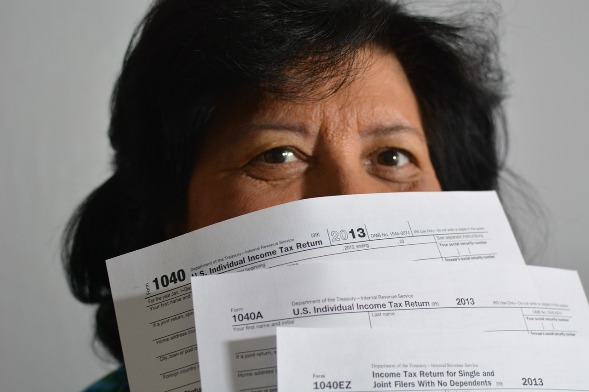
Facing a financial emergency? Entering “survival mode” means prioritizing essentials, cutting unnecessary expenses, and finding new income sources. With the right strategy, you can stabilize your finances and regain control.
Prioritize essential expenses to protect your basic needs.
Running out of money can happen to anyone—whether due to job loss, unexpected expenses, or life setbacks. The key is to act quickly and strategically.
Your goal now is simple: Protect what you have and stretch it as far as possible.
Prioritize Your Spending
Take a close look at your income, expenses, and debts. Then decide what must be paid immediately—and what can wait.
Pay These First (Essentials):
- Rent or mortgage
- Utilities (electricity, water, gas)
- Child support (legal consequences if unpaid)
- Income taxes (avoid issues with the Internal Revenue Service)
- Car payments (to avoid repossession)
- Student loans
- Essential insurance (health, auto, home)
What Can Be Negotiated
Many expenses can be adjusted:
- Utility companies often offer hardship programs
- The Internal Revenue Service may allow payment plans
- Federal student loans can be deferred (if not in default)
Cut Non-Essential Expenses
In survival mode, it’s time to reduce or eliminate unnecessary costs:
- Gym memberships
- Cable TV and streaming services
- Extra phone lines
- High-cost internet plans
Call providers and negotiate better rates whenever possible.
Reduce Daily Spending
- Buy generic brands
- Use coupons and discounts
- Visit food banks (pantries)
- Cut transportation costs (consider if you really need a car—or a second one)
Pay Minimums—But Be Careful
If necessary, pay only the minimum on credit cards to stay afloat.
But:
- Stop using them immediately
- Avoid increasing your debt
Find New Sources of Income

Stay focused—financial hardship is temporary and manageable.
Now is the time to bring in any extra cash possible.
Quick Income Ideas:
- Temporary or part-time jobs
- Freelance or gig work
- Babysitting or running errands
- Renting out a room
Platforms like TaskRabbit allow you to earn money by completing small local tasks.
Seek Assistance Programs
Don’t hesitate to look for help:
- Government aid programs
- Nonprofit organizations
- Unemployment benefits
These resources can provide temporary relief while you recover financially.
Consider Loans Carefully
If you need immediate cash:
- Borrowing from friends or family may be the safest option
- Apps like ActiveHours (now known as Earnin) allow early paycheck access
- Peer-to-peer platforms like LendingClub may offer loans (if you have good credit)
Always evaluate interest rates and repayment terms before borrowing.
Final Thought
Financial hardship is difficult—but temporary.
By:
- Prioritizing essentials
- Cutting unnecessary expenses
- Creating new income streams
You can regain stability and rebuild your finances.
And most importantly: Don’t lose faith—this phase will pass.
FAQ – Frequently Asked Questions
1. What is financial survival mode?
It’s a strategy focused on covering essentials, cutting costs, and preserving cash during financial hardship.
2. Which bills should I pay first?
Prioritize housing, utilities, taxes, and essential payments that affect your safety and legal standing.
3. Should I stop paying credit cards?
Pay at least the minimum, but stop using them to avoid more debt.
4. How can I get money quickly?
Try temporary jobs, gig apps, or assistance programs.
5. Is it okay to ask for financial help?
Yes. Support from family, friends, or programs can be crucial during emergencies.