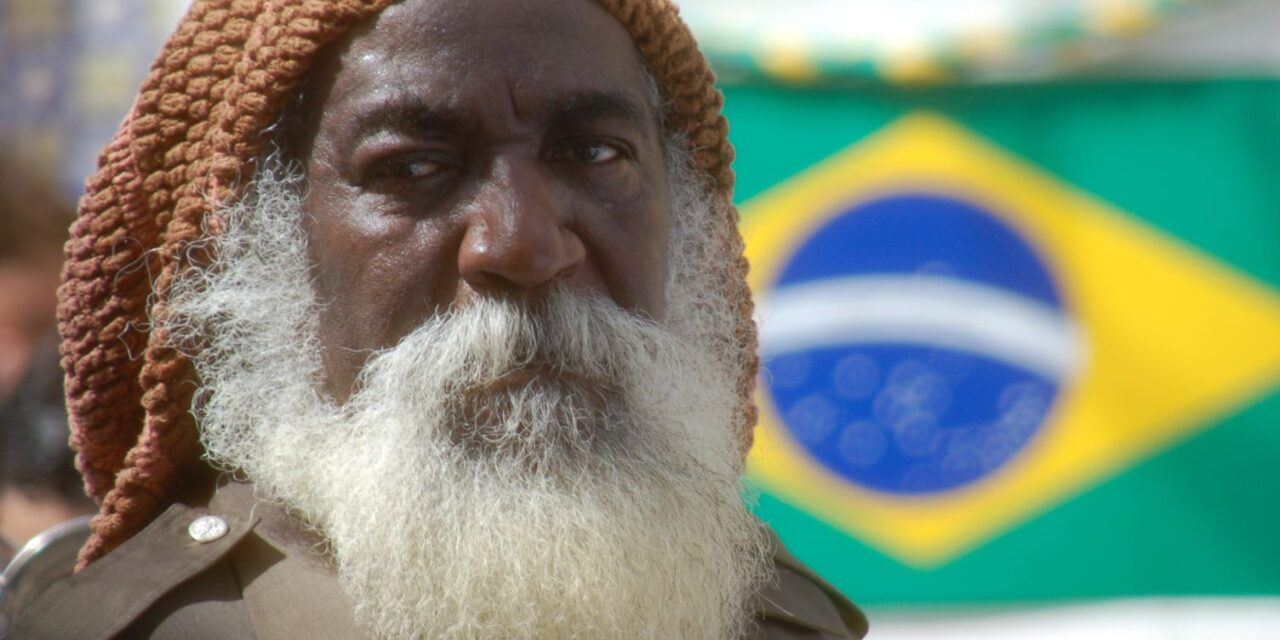
Fifteen years after Brazil enacted the Statute of Racial Equality, deep racial disparities between Black and white Brazilians persist. While legal recognition marked a historic step forward, structural racism, political inertia, and cultural resistance continue to limit real change.
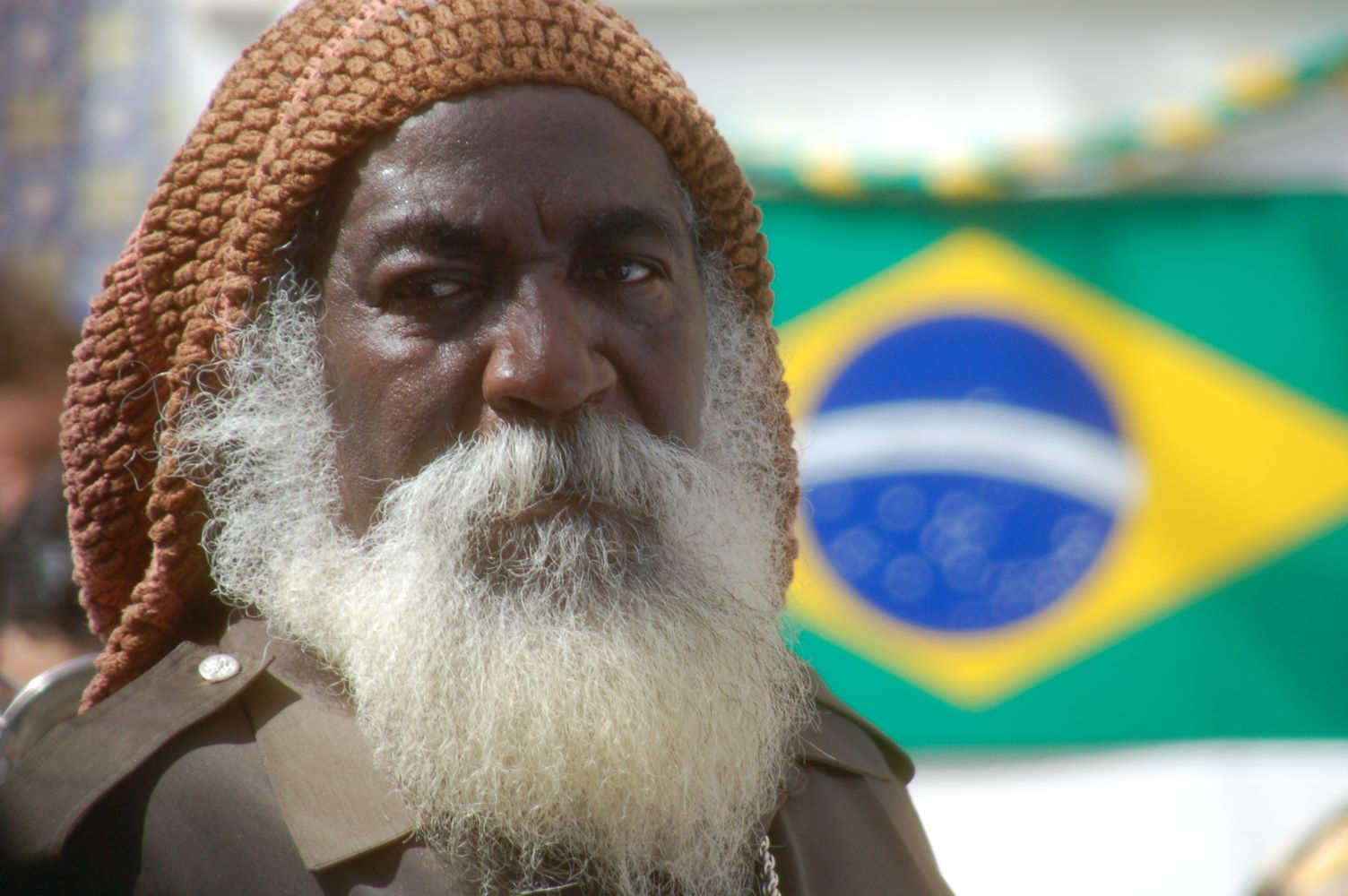
The enduring challenge lies in transforming legal recognition into cultural change, political will, and daily practice
On July 20, 2025, Brazil marked 15 years since the Statute of Racial Equality was enacted — a legislative milestone meant to combat the deep racial inequalities that persist between Black and white Brazilians. Yet despite this symbolic achievement, meaningful transformation remains elusive for many Afro-Brazilians.
The law, passed in 2010, contains 65 articles designed to promote racial equity in key sectors such as employment, education, health, culture, housing, and communication. At the time, the statute was hailed by the federal government as a historic breakthrough in the recognition and protection of Black rights.
Nilma Lino Gomes, a former Minister of the now-defunct Secretariat for the Promotion of Racial Equality (SEPPIR), described it as “an organized victory, demanded by social movements — especially the Black movement. We can say today that, in addition to the Federal Constitution, Brazil has a national law that guarantees rights for the Black population.”
Since then, progress has been mixed. The affirmative action quotas for university admissions and federal job openings have helped increase access for Afro-Brazilians, and some public health policies have been tailored to the specific needs of Black communities. However, many of the statute’s broader goals remain under-implemented or ignored at the municipal and state levels.
Structural Racism and the Myth of Racial Democracy
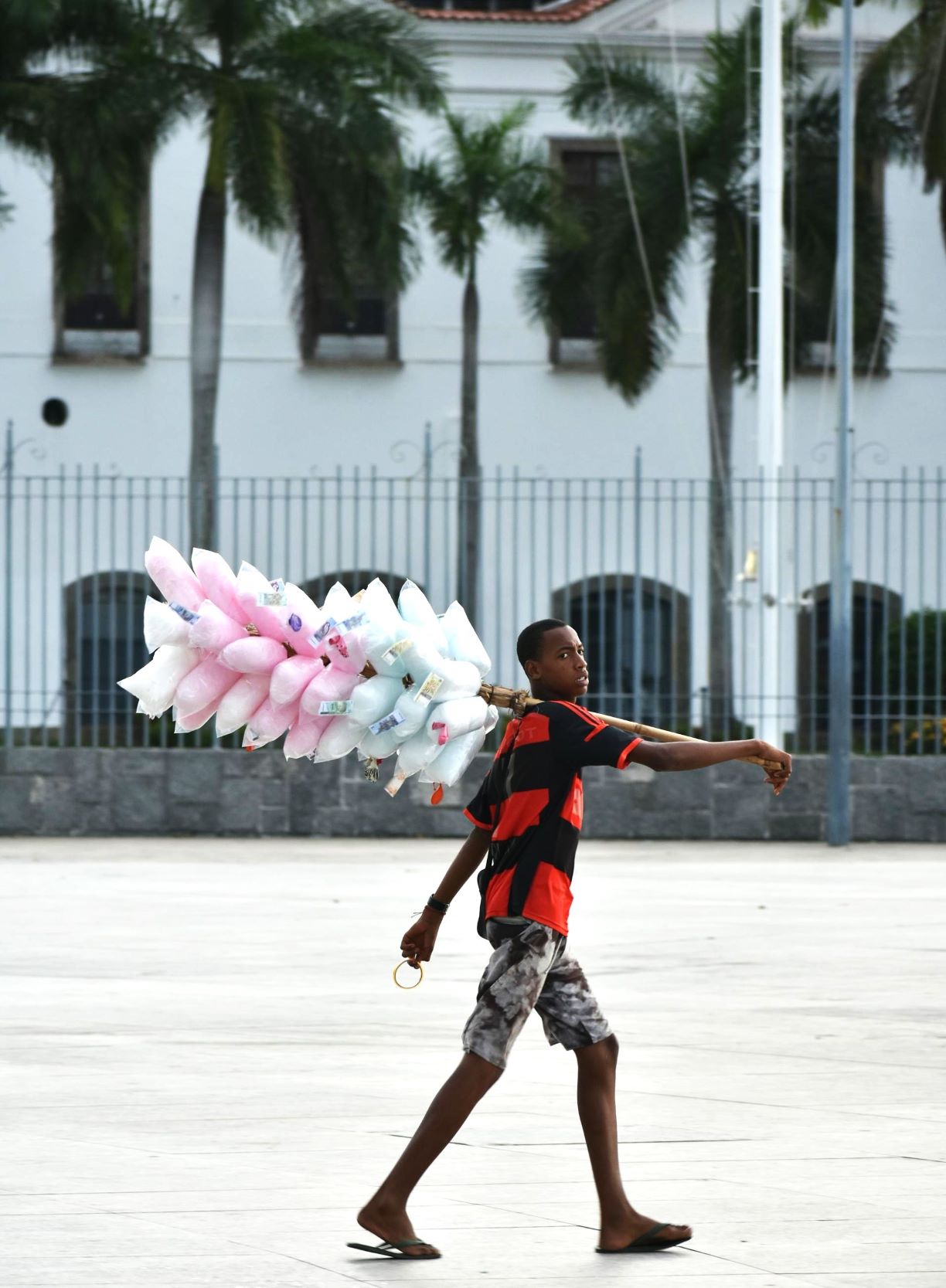
Racial inequality persists in Brazil 15 years after Equality Statute
Structural racism continues to shape daily life, and the illusion of racial democracy — once a widely accepted national myth — has been dismantled for much of the population. “Racism in Brazil is sustained by its denial,” said Gomes. “The more we pretend it doesn’t exist, the more it thrives in silence.”
This contradiction is often jarring for outsiders. Ky Adderley, an African-American educator who first moved to Brazil in 2011, described the personal racism he encountered in Brazil as “more pervasive and casually accepted than in the U.S.,” adding, “I was expecting a society more aware of its diversity. Instead, I found institutional blindness.”
A New Generation Refuses Invisibility
Despite making up 56 percent of the Brazilian population according to recent IBGE data, Black and Brown Brazilians remain underrepresented in government, academia, and executive leadership. In Congress, for example, they still occupy less than 25 percent of the seats. The disparity is even more acute in sectors like media, law, and technology.
Yet a new generation of Afro-Brazilians is refusing to accept invisibility. From social media influencers and artists to educators and activists, there’s a growing wave of Black consciousness echoing the civil rights and Black power movements of 1960s America. “Black Brazilians are reclaiming their narrative,” said Adderley. “There’s an awakening happening — an urgent demand for dignity, visibility, and justice. And that gives me hope.”
The Road Ahead
While the Statute of Racial Equality remains a symbolic foundation, the reality on the ground reveals how laws alone are not enough to dismantle centuries of inequality. The enduring challenge lies in transforming legal recognition into cultural change, political will, and daily practice. As Brazil looks ahead, the question is no longer whether racial inequality exists — but how much longer the nation will allow it to persist. The future of racial justice in Brazil depends not just on policy, but on the collective courage to confront uncomfortable truths and commit to real equity.
FAQ — Frequently Asked Questions
1. What is Brazil’s Statute of Racial Equality?
It is a federal law enacted in 2010 to promote racial equity across education, employment, health, culture, and other sectors.
2. Has the law reduced racial inequality in Brazil?
It has enabled progress in areas like affirmative action, but many goals remain under-implemented.
3. Why does racial inequality persist despite the law?
Structural racism, lack of political will, and cultural denial continue to limit enforcement and impact.
4. How does Brazil compare to the U.S. on racial issues?
While histories differ, many observers note that racism in Brazil is often less openly acknowledged, making it harder to confront.
5. Is there hope for change?
Yes. A growing movement of Afro-Brazilian activism and cultural expression is demanding visibility, justice, and accountability.