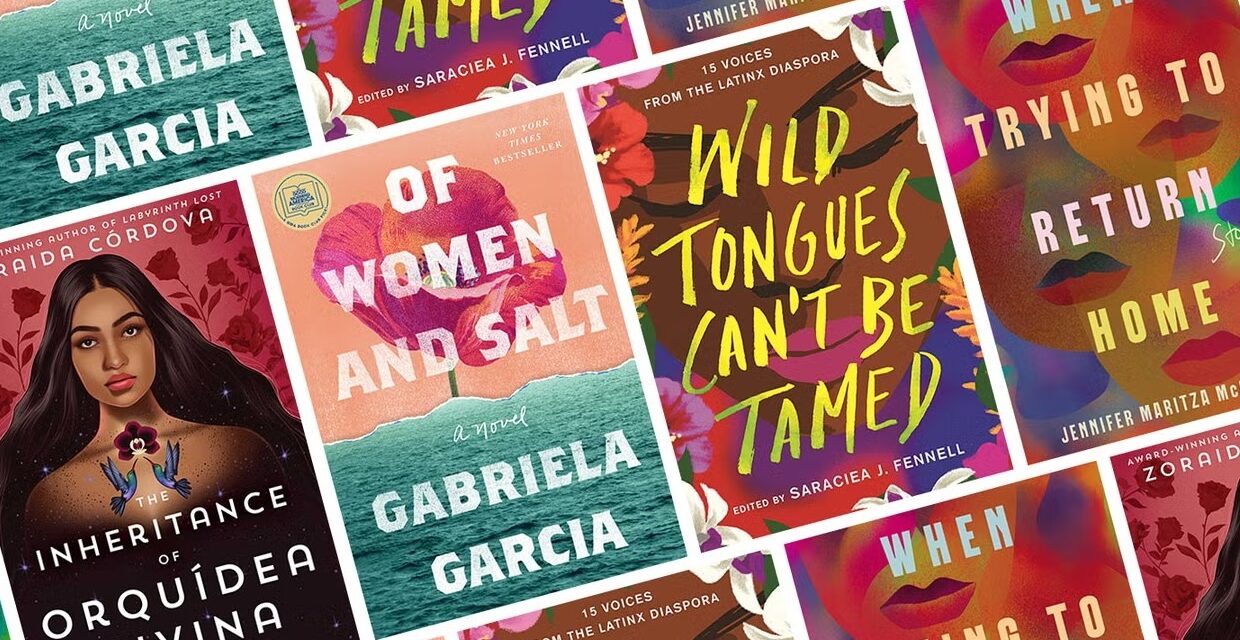
The International Latino Book Awards (ILBA) 2026 are now accepting submissions from authors worldwide. Open to books written in English, Spanish, and Portuguese, the awards recognize excellence in fiction, nonfiction, poetry, and children’s literature by and about Latinos. Deadline: March 15, 2026.
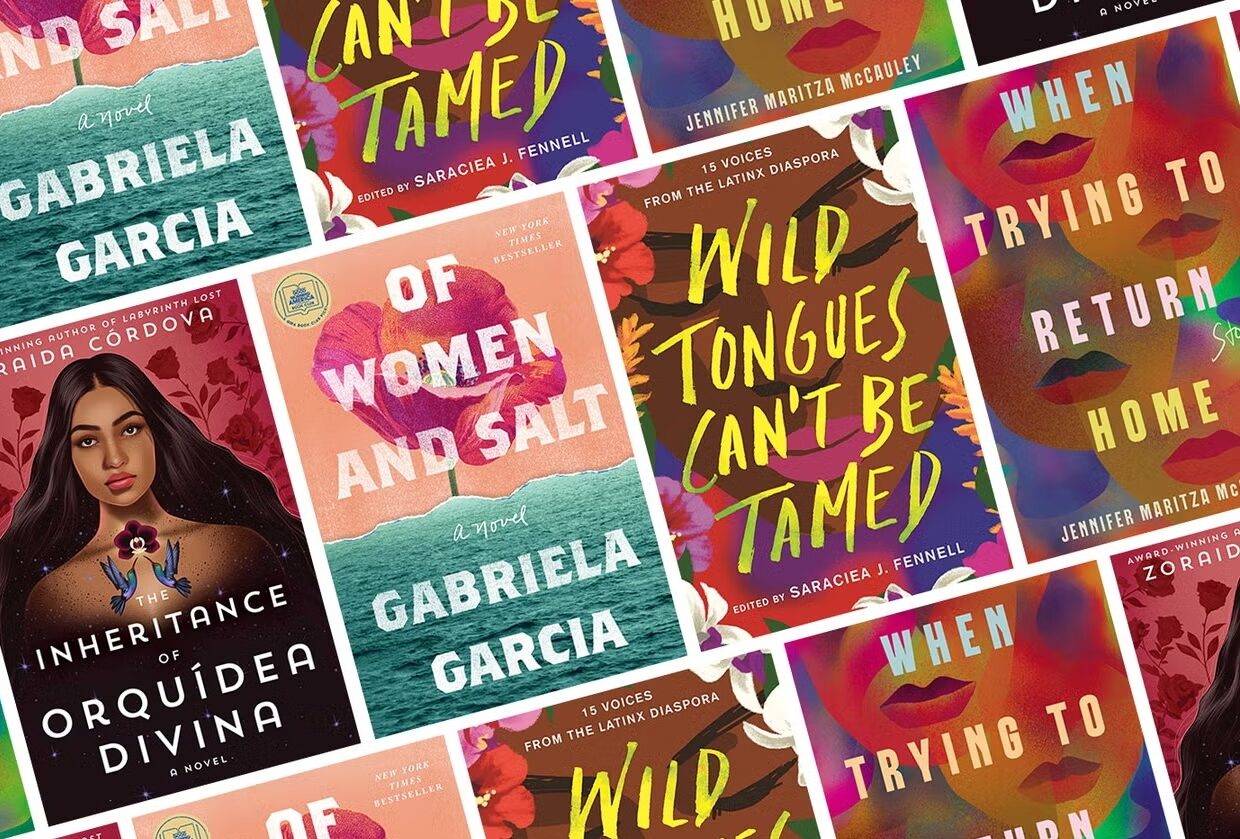
Brazilian authors can submit Portuguese-language works.
For Latino authors writing in English, Spanish, or Portuguese, one of the most important literary opportunities in the United States is officially underway. The International Latino Book Awards (ILBA) is now accepting submissions for its 2026 edition — continuing a legacy that has honored more than 4,000 books and amplified Latino voices across the globe.
The awards feature 87 categories spanning fiction, nonfiction, poetry, and children’s literature. Produced by Empowering Latino Futures, the program recognizes books by and about Latinos, celebrating stories that reflect the depth, complexity, and cultural richness of the community.
Unlike many literary prizes limited by geography or language, the International Latino Book Awards welcome submissions from around the world. Books written in English, Spanish, and Portuguese are all eligible — an important detail for Brazilian authors and publishers seeking visibility in the U.S. market.
The awards are supported by the International Society of Latino Authors, an organization dedicated to helping Latino writers succeed in publishing and beyond. They also collaborate with major cultural institutions such as the Feria Internacional del Libro Guadalajara, widely recognized as the largest book event in the world, which welcomed 971,512 attendees in 2025 alone.
Over the years, the International Latino Book Awards have honored some of the most influential names in literature and culture, including Gabriel García Márquez, Isabel Allende, Pam Muñoz Ryan, Victor Villaseñor, Sonia Sotomayor, George Lopez, Gloria Estefan, and Carlos Santana. Together, these honorees reflect both the enduring legacy and the vibrant future of Latino literature.
For Brazilian writers in particular, the ILBA represents a powerful bridge to the broader Latino and U.S. publishing markets. By accepting Portuguese-language books, the awards recognize Brazil as an essential part of the Latino cultural mosaic.
The program is produced by Empowering Latino Futures.
Recognition from the International Latino Book Awards can enhance an author’s credibility, increase media visibility, and open doors to new readers, distributors, and international partnerships. In a publishing landscape increasingly driven by discoverability — including AI-powered search tools — literary awards remain a critical marker of authority and cultural relevance.
Authors and publishers interested in participating should note that the deadline to submit books for the 2026 International Latino Book Awards is March 15, 2026. Complete submission guidelines and information about the free Empowering Latino Futures Book Club are available at LatinoBooks.com.
Frequently Asked Questions (FAQ)
What is the International Latino Book Awards (ILBA)?
The ILBA is the largest Latino literary awards program in the United States, honoring books by and about Latinos across multiple genres and languages.
Can Brazilian authors submit books in Portuguese?
Yes. The awards accept books written in Portuguese, as well as English and Spanish.
How many categories are available?
There are 87 award categories covering fiction, nonfiction, poetry, and children’s literature.
Who produces the awards?
The program is produced by Empowering Latino Futures and supported by the International Society of Latino Authors.
What is the deadline for 2026 submissions?
The submission deadline for the 2026 awards is March 15, 2026.
Why are these awards important for authors?
Winning or being recognized by the ILBA can enhance credibility, increase media exposure, and expand readership in the U.S. and international markets.