An American artist and journalist from Atlanta relocated to Rio de Janeiro to pursue samba and Carnival culture. After extensive training, she made history in 2025 and is now expanding into Brazilian cinema, strengthening cultural ties between the U.S. and Brazil.
By Lindenberg Junior
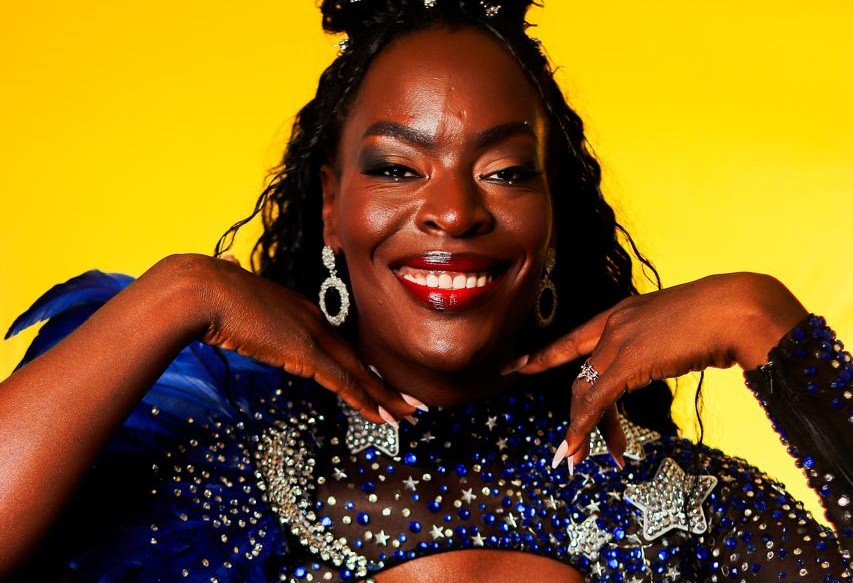
In 2025, she became the first foreigner to compete in Rio’s Royal Court Carnival. Photo by Glauber Lucas
For many Americans, Brazil lives in the imagination – a swirl of Carnival feathers, ocean views, and distant rhythms. But for Sheryland Neal, one Atlanta-born journalist and multidisciplinary artist, Brazil became more than a postcard fantasy. It became a disciplined pursuit, a cultural commitment, and ultimately, a new home. What began with the sound of a berimbau near a train station in Atlanta has evolved into a life fully immersed in Rio de Janeiro’s samba culture, Carnival royalty competitions, and an emerging career in Brazilian cinema. Her journey offers American readers something rare: a story not of escape, but of intentional cultural exchange between the United States and Brazil.
Origins and Education
Raised in Atlanta, Georgia, Sheryland Neal gravitated early toward theater, music, marching band, and academic decathlon. Storytelling was always central to her identity. She earned a degree in Communications and Broadcast Journalism from Central State University and later completed a Master of Fine Arts in Film and Digital Technology at Chatham University.
Her academic foundation in journalism and media analysis sharpened her understanding of narrative, audience, and cultural representation – skills that would later shape how she approached samba, not merely as dance, but as embodied storytelling rooted in Afro-Brazilian history.
Samba Journey and Carnival Milestones
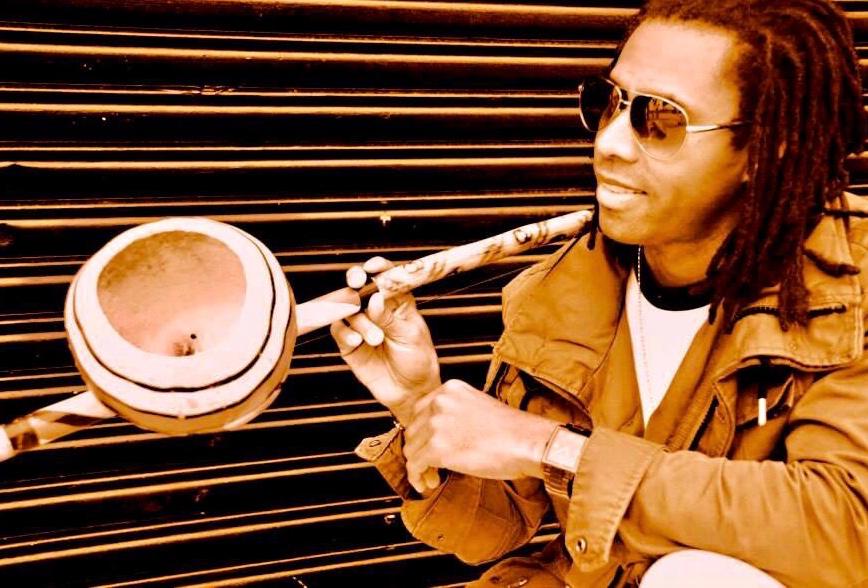
Her connection to Brazil began in the United States when she followed the sound of a berimbau and discovered a live capoeira roda. Through capoeira, she encountered samba during a batizado ceremony – and the seed was planted.
While attending graduate school in Pittsburgh, she returned to percussion and eventually became a “mestre” in a batucada ensemble. Still, samba called her forward. She trained rigorously in samba no pé, samba afro, and samba de coco long before relocating to Brazil.
Her first visits to Rio de Janeiro were transformative. The coexistence of mountains, beaches, and dense urban culture – combined with spontaneous pagode circles and deeply communal energy – convinced her that samba could not be studied from afar. It had to be lived.
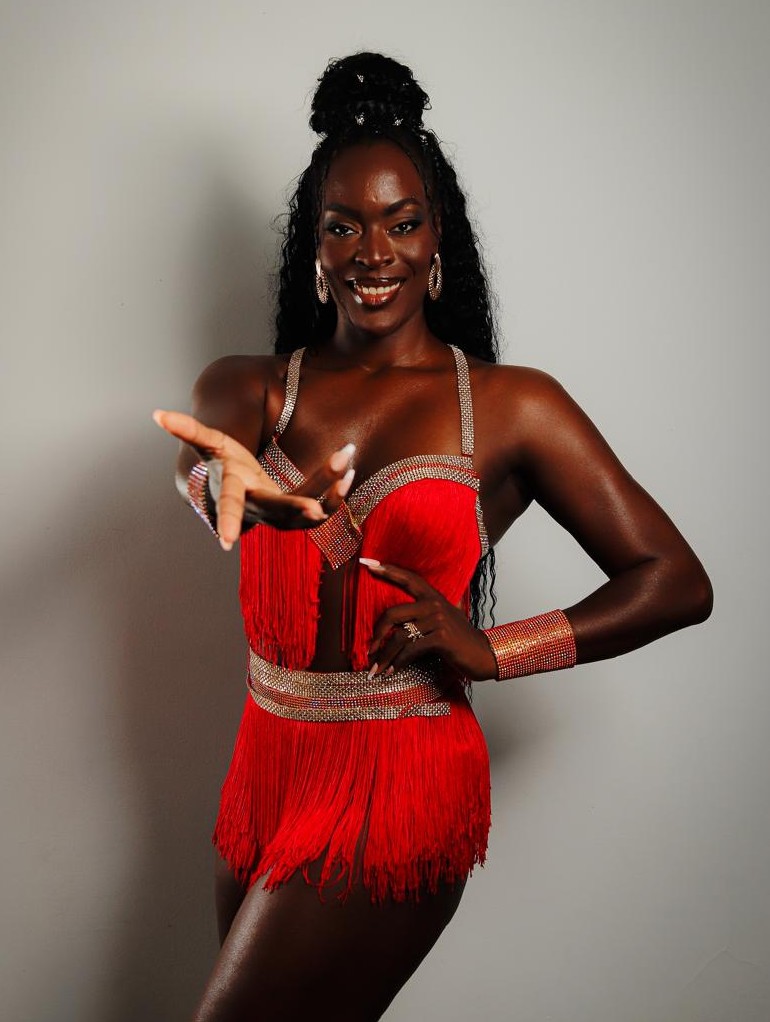
Her journalism background shapes her view of samba as cultural storytelling. Photo by Glauber Lucas
In Carnival 2025, her dedication culminated in a historic milestone: she became the first foreigner approved to compete in Rio’s Royal Court competition. Her titles include Semi-Pro Musa do Samba Fogo (2020), Queen of Samba no Pé (2024), and 1ª Princesa do Carnaval Copacabana (2026). These honors reflect years of disciplined training, mentorship within the escolas de samba, and cultural respect.
Film Casting and Future Projects
Although samba defines her public presence, film remains foundational. She has been acting since age 16 and is currently in casting conversations for a Brazilian narrative feature exploring everyday life in Brazil.
For her, this expansion into Brazilian cinema represents a full-circle moment — merging her American journalism and film training with lived cultural experience in Rio. She hopes to contribute to stories that portray Brazil with nuance while strengthening artistic ties between the U.S. and Brazil.
Brazilian Food Preferences and Cultural Impressions
Life in Rio extends beyond rehearsals and film meetings. She has embraced Brazil’s culinary rhythms: beans and rice with fried fish (always with hot sauce), fruit salad with coconut water, strong coffee, and long shared meals that emphasize presence over productivity.
What stands out most, she says, is Brazil’s sensory culture – spontaneous music as daily medicine, physical warmth in greetings, and even the signature fragrances people wear, scents that become memory. These details transformed Rio from destination into belonging.
Memorable Places in Rio
Among the places that hold personal and artistic significance are the Museu de Arte Moderna do Rio de Janeiro (MAM), Cidade do Samba, the Sambódromo da Marquês de Sapucaí, Ilha da Gigóia, Cantagalo, and the Jardim Botânico.
These spaces represent rehearsal rooms, stages, reflection points, and neighborhoods that shaped her growth. What began as a distant rhythm in Atlanta has become a life rooted in Rio – on stage, on screen, and at the crossroads of two cultures.
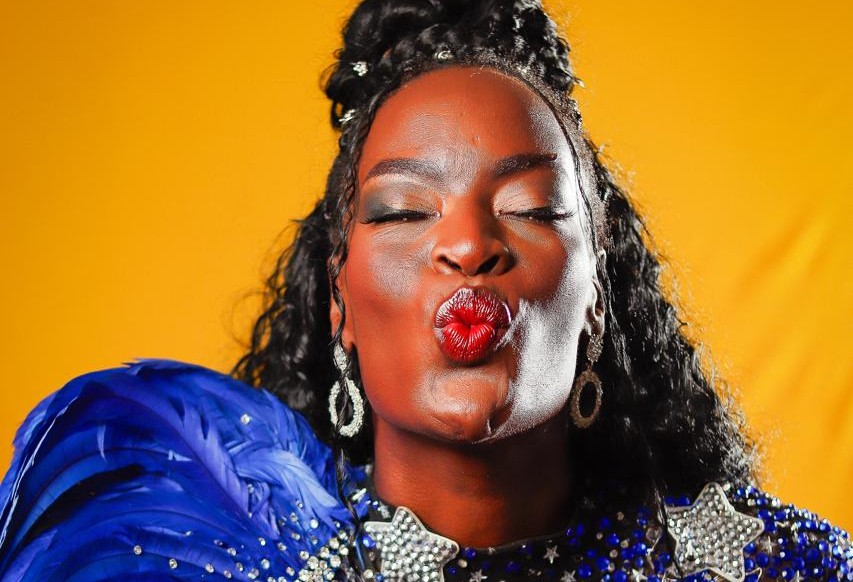
Her journey reflects intentional cultural exchange between the U.S. and Brazil.
FAQ – Frequently Asked Questions
Why did Sheryland Neal move to Rio de Janeiro?
After years of studying capoeira and samba in the U.S., she relocated to Rio to train professionally, study Portuguese, and immerse herself fully in Carnival traditions.
What historic milestone did Sheryland Neal achieve in Carnival?
In 2025, she became the first foreigner approved to compete in Rio’s Royal Court Carnival competition.
Is the American Artist-Journalist Sheryland Neal building a career in Brazilian film?
Yes. She is currently in casting conversations for a Brazilian narrative feature, expanding her artistic presence into Brazil’s film industry.