Alagoas, Brazil, is a tropical destination in northeastern Brazil known for its turquoise waters, coral reefs, natural swimming pools in Maragogi, eco-tourism experiences, and the scenic São Francisco River Canyon. It offers a Caribbean-like experience with fewer crowds and strong sustainability efforts.
By Lais Oliveira / Translation: Joyce Sotter

Alagoas offers Caribbean-clear waters without the Caribbean crowds.
If you think you’ve seen Brazil because you’ve visited Rio, think again. Alagoas, a sun-drenched state in northeastern Brazil, is where turquoise waters meet swaying coconut palms, coral reefs stretch for miles, and eco-adventures blend seamlessly with barefoot luxury.
For American travelers seeking an exotic yet accessible tropical escape—without Caribbean price tags or crowds—Alagoas might just be Brazil’s best-kept secret.
Why Alagoas Should Be on Your Brazil Bucket List
Located along Brazil’s northeastern coast, Alagoas is famous for:
-
Crystal-clear, warm Atlantic waters
-
Natural reef-protected swimming pools
-
130 km (80+ miles) of coral coastline
-
Boutique eco-inns and luxury beachfront hotels
-
Authentic Brazilian culture and hospitality
Tourism drives much of the local economy, but development here has remained remarkably balanced. You’ll find modern comforts without losing the raw beauty that makes this region unforgettable.
Maceió: Brazil’s Underrated Beach Capital
The capital city of Alagoas, Maceió, offers over 25 miles of coastline and an impressive lagoon system that creates postcard-perfect scenery at every turn.
Here’s what makes Maceió ideal for U.S. travelers:
-
Urban beaches with turquoise water and white sand
-
International-standard restaurants and seafood cuisine
-
Vibrant craft markets featuring handmade lace and local art
-
Easy access to day trips along the coast
Unlike overcrowded resort cities, Maceió feels open, breezy, and authentic—yet comfortable enough for travelers who appreciate quality dining and boutique stays.
Praia do Francês: Calm Waters & Surf Breaks in One Spot
Just south of Maceió, Praia do Francês is one of the state’s most beloved beaches.
What makes it unique?
The beach splits into two distinct personalities:
-
One side features calm, reef-protected waters perfect for families and relaxed swimming.
-
The other side offers stronger waves that attract surfers.
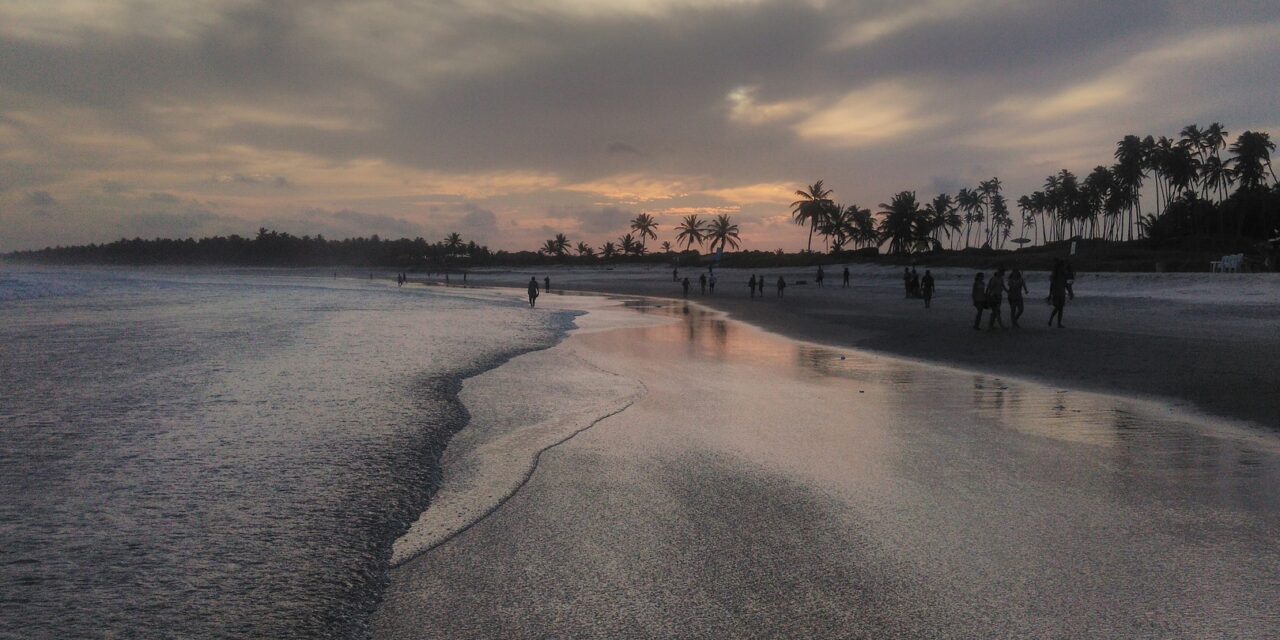
No towering condos. No crowded boardwalk. Just palm trees, golden sand, and the Atlantic.

Maceió combines urban comfort with breathtaking tropical beaches.
Gunga Beach: Coconut Palm Paradise
A short drive away, Praia do Gunga feels like a tropical dreamscape.
Imagine miles of coastline framed by endless rows of coconut palms. Visitors can:
-
Take scenic buggy rides along the dunes
-
Go kayaking and sailing
-
Enjoy windsurfing and kitesurfing
-
Simply walk for miles in near solitude
It’s one of Brazil’s most photographed beaches—and once you arrive, you’ll understand why.
The Coral Coast: The Second Largest Reef System in the Atlantic
North of Maceió lies the legendary Costa dos Corais, home to the second-largest coral reef system in the Atlantic Ocean.
Stretching over 80 miles, this marine sanctuary offers:
-
Snorkeling in transparent, shallow pools
-
Mangrove trail hikes
-
Eco-tourism projects focused on preservation
-
Small fishing villages with charming pousadas
For American eco-travelers, this region delivers sustainability and beauty in equal measure.
Maragogi: The “Caribbean”
If you’ve seen photos of shallow turquoise pools surrounded by coral formations, chances are they were taken in Maragogi.
Known as the “Brazilian Caribbean,” Maragogi’s famous natural pools—called galés—form during low tide and create otherworldly snorkeling experiences.
Picture this:
-
Waist-deep crystal water
-
Schools of tropical fish swimming around you
-
Coral formations just below the surface
It’s easily one of the most stunning marine experiences in South America.
Eco-Adventure at the Manatee Sanctuary
In Porto de Pedras, near the mouth of the Tatuamunha River, visitors can explore a protected sanctuary connected to Instituto Chico Mendes de Conservação da Biodiversidade and IBAMA.
The Manatee Sanctuary limits visits to preserve the ecosystem—an approach increasingly appreciated by environmentally conscious U.S. travelers.
This isn’t mass tourism. It’s meaningful travel.
The São Francisco River Canyon: Brazil’s Desert Meets Water
Further inland, the mighty Rio São Francisco cuts through dramatic red-rock canyons, offering boat tours through landscapes that feel more Arizona than tropical Brazil.
Adventure options include:
-
Boat excursions through the canyon
-
Sand buggy rides
-
Ziplining
-
Parasailing
Or simply soaking in the scenery—sometimes the best adventure is standing still.
Who Should Visit Alagoas?
Alagoas is perfect for:
-
Couples seeking romantic beachfront stays
-
Families wanting safe, warm swimming waters
-
Eco-travelers and conservation enthusiasts
-
Surfers and water sports lovers
-
Travelers who love discovering destinations before they become mainstream
If you’re the type who searches for “hidden Caribbean alternatives,” this is your spot.
** Planning a trip to Brazil? For airline tickets from the United States to Brazil or Latin America, custom travel packages, hotels and alternative stays, as well as Cruises from the United States, contact our travel agent and tour organizer, Magali DaSilva. Phone/WhatsApp 1(323) 428-1963 – email: magali_at_soubrasil.com

The Coral Coast protects one of the Atlantic’s largest reef systems.
FAQ – Frequently Asked Question
Is Alagoas safe for American tourists?
Yes. Like any destination, use common travel awareness. Beach towns and tourist areas are generally safe, especially when staying in reputable accommodations.
What is the best time to visit Alagoas?
September through March offers warm temperatures and excellent beach conditions. The dry season (roughly September–February) is ideal for snorkeling in natural pools.
How do you get to Alagoas from the U.S.?
Fly into Maceió International Airport via major Brazilian hubs such as São Paulo or Recife.
Is Maragogi really like the Caribbean?
Yes—its shallow turquoise waters and coral pools rival many Caribbean destinations, often at a better value.
Do I need to speak Portuguese?
It helps, but many hotels and tour operators in tourist areas accommodate English-speaking visitors.