Bonito, in Mato Grosso do Sul, Brazil, is a leading ecotourism destination known for crystal-clear rivers, underwater wildlife, spectacular caves, and outdoor adventures. Visitors can snorkel in the Sucuri River, explore Gruta do Lago Azul, rappel into Abismo Anhumas, and enjoy waterfalls and natural swimming areas throughout the year.
By Lindenberg Junior
Translation: Mallory Adragna

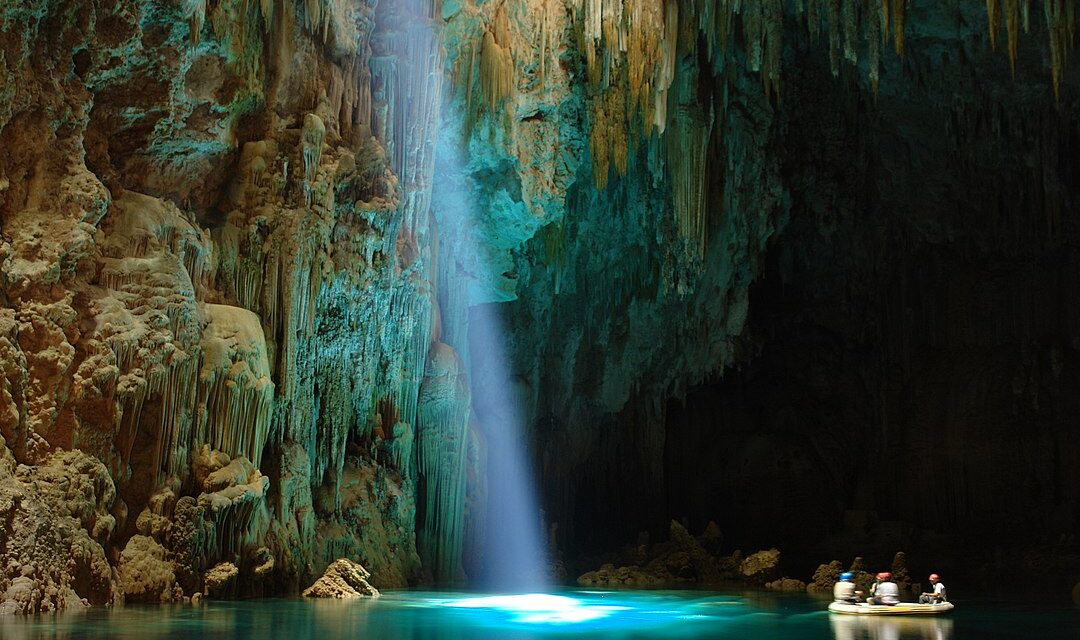
Gruta do Lago Azul or Blue Lake Cave in Bonito
With a name as evocative as Bonito, which means “beautiful” in Portuguese, this destination lives up to its name with extraordinary landscapes, crystal-clear rivers, impressive caves, and remarkable biodiversity. Located in Brazil’s Central-West region, Bonito is one of the most captivating destinations in the state of Mato Grosso do Sul and a leading choice for travelers seeking an unforgettable ecotourism experience.
Founded in 1948, the city had a population of 22,190 in 2020 and an elevation of approximately 1,033 feet. Its natural attractions draw a diverse range of visitors, from families seeking peaceful moments surrounded by nature to adventure lovers interested in snorkeling, diving, rappelling, and exploring underground landscapes.
Bonito has earned national and international recognition for its tourist attractions, having been honored 16 times as the Best Ecotourism Destination at the prestigious Best of Travel and Tourism Awards. Located south of the Pantanal, the municipality is known for its efforts to balance tourism with the preservation of its natural ecosystems. Its emphasis on environmental conservation and responsible tourism has helped establish Bonito as a reference for travelers interested in experiencing Brazil’s natural beauty.
Beyond its ecological attractions, Bonito also celebrates Brazilian arts and culture. The Festival de Inverno (Winter Festival) is an annual cultural event that brings together artists from across Brazil for music performances, exhibitions, theater, and film screenings. By combining cultural activities with its extraordinary natural surroundings, Bonito offers visitors more than outdoor adventures, making it an appealing destination for travelers interested in both nature and local traditions.
Crystal-Clear Waters: Snorkeling and Aquatic Adventures
One of Bonito’s greatest attractions is its pristine rivers, where exceptionally clear waters allow visitors to observe aquatic life in remarkable detail. These natural environments attract snorkeling enthusiasts, divers, and nature lovers eager to experience the region’s biodiversity firsthand.
Among the most popular activities is snorkeling in the Sucuri River, where blue-green waters create the impression of floating through a natural aquarium. Visitors may encounter native fish species, including dourado and piraputanga, while exploring the underwater landscape. The experience offers an opportunity to appreciate the region’s aquatic ecosystems while enjoying an activity suitable for many travelers who want to connect with nature.
For those seeking a different perspective, a scenic trail of approximately 1.2 miles (two kilometers), featuring wooden walkways, leads visitors toward the breathtaking Blue Spring. Surrounded by lush green vegetation, its radiant turquoise waters create a striking contrast with the surrounding landscape. The combination of clear water, native plants, and peaceful scenery makes this an especially memorable stop for visitors looking for both visual beauty and a relaxing outdoor experience.
Bonito’s rivers and springs demonstrate why the destination is so popular among ecotourism enthusiasts. Whether swimming in designated areas, snorkeling with a guide, or simply admiring the scenery, visitors can experience the region’s natural beauty while learning about the importance of protecting its fragile ecosystems.
Cave Adventures: Blue Lake Cave and Abismo Anhumas
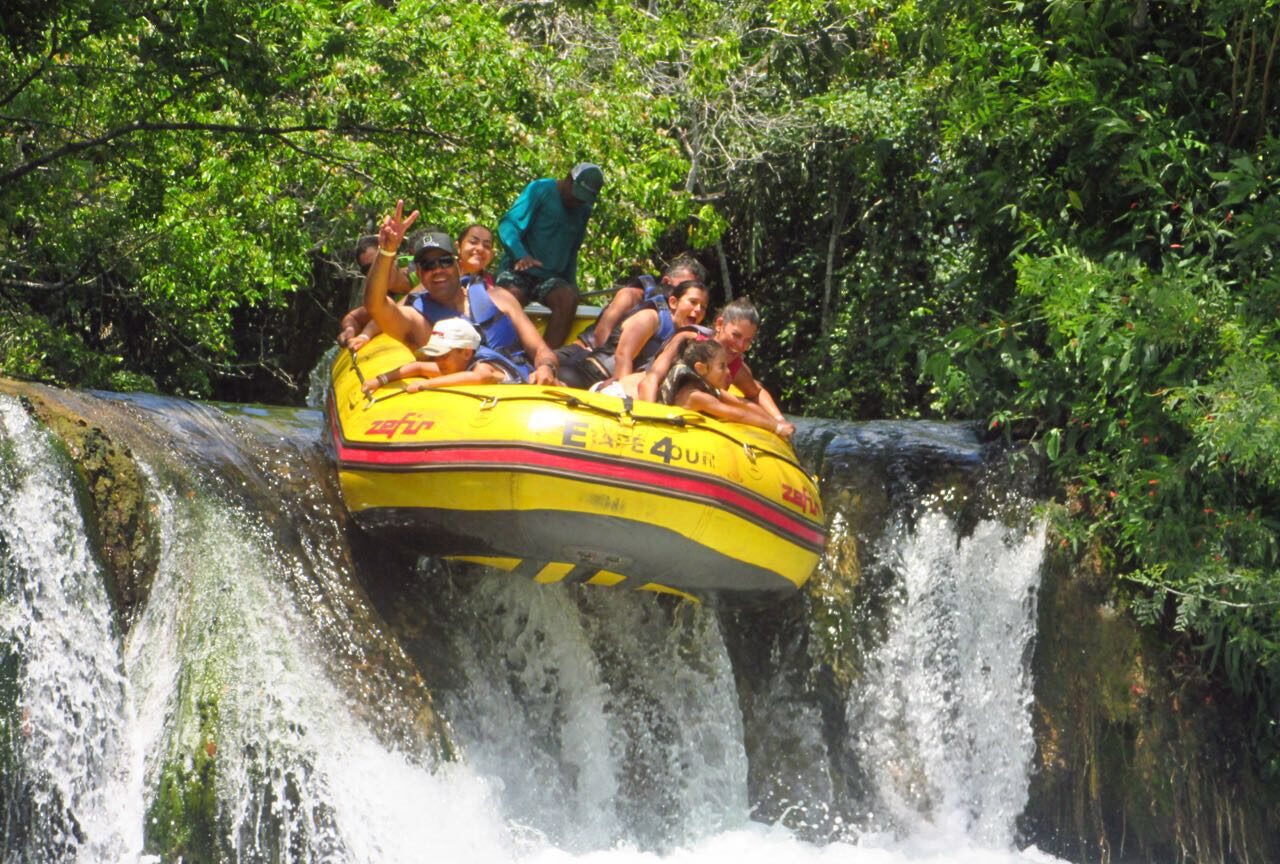
Discover Bonito in Mato Grosso do Sul, a Brazilian destination known for crystal-clear rivers, caves, waterfalls, and extraordinary biodiversity.
Bonito’s natural wonders extend far beyond its rivers. The region is also home to spectacular geological formations, underground lakes, and sinkholes that provide some of Brazil’s most distinctive adventure experiences.
One of the best-known attractions is Gruta do Lago Azul (Blue Lake Cave), a cavern estimated to be around ten million years old. Inside, sunlight illuminates the water, creating the intense blue color that gives the cave its name. The combination of the cavern’s geological formations and the luminous lake makes it one of Bonito’s most recognizable natural landmarks.
For travelers seeking adrenaline, Abismo Anhumas offers a different kind of adventure. This vast cavern features impressive stalactites and an underground lake, with access involving a rappel descent into the cave. The experience provides an extraordinary view of the subterranean landscape and attracts visitors looking for a more challenging outdoor activity.
Another remarkable attraction is Buraco das Araras, an ochre-colored sinkhole that serves as a habitat for numerous bird species, particularly the striking scarlet macaws. The site offers opportunities to observe wildlife and appreciate the relationship between geological formations and the region’s biodiversity.
Together, Bonito’s caves, rivers, springs, and wildlife habitats create a destination where adventure and environmental appreciation go hand in hand. Each attraction offers a different way to experience the natural heritage of Mato Grosso do Sul.
When Is the Best Time to Visit Bonito, Brazil?
Bonito can be visited throughout the year, but the season you choose can influence water clarity, river conditions, wildlife encounters, and the overall experience. Understanding the differences between the rainy and dry seasons can help travelers plan an itinerary that matches their interests.
Rainy Season: December Through March
The rainy season generally extends from December to March, when temperatures can reach approximately 95°F (35°C). During these months, the landscape becomes especially lush, and waterfalls often carry more water, creating impressive scenery for visitors who enjoy tropical vegetation and flowing streams.
However, increased rainfall can affect river visibility, and fish may be less visible in some locations because of breeding activities and changing water conditions. One seasonal highlight occurs from mid-December to early February, when sunlight illuminates the waters inside Gruta do Lago Azul, enhancing the cave’s distinctive blue appearance under suitable conditions.
Travelers visiting during this period should remain flexible, as rainfall may affect the availability or timing of outdoor excursions.
Dry Season: May Through August
The dry season generally runs from May through August and is often associated with clearer river waters and greater opportunities to observe fish. These conditions can be especially appealing to visitors planning snorkeling excursions and other activities that depend on underwater visibility.
Although daytime temperatures may be pleasant, evenings can become cooler, particularly during the winter months. Packing lightweight clothing for warm days along with additional layers for cooler nights is a practical way to prepare for changing conditions.
Regardless of the season, travelers should confirm tour availability and local conditions before booking activities, as individual attractions may have different operating schedules and environmental requirements.
Bonito: A Destination for Adventure and Relaxation
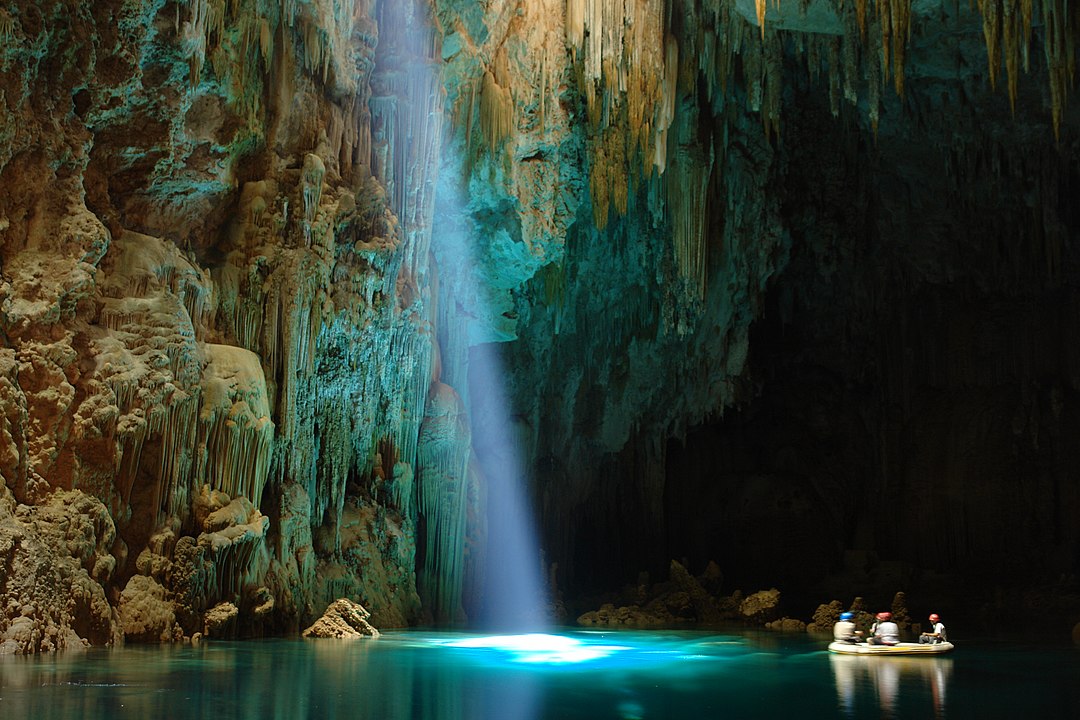
Experience the geological wonders of Bonito, from the luminous waters of Blue Lake Cave to the underground lake and impressive formations of Abismo Anhumas. Photo: Caio Vilela
Bonito combines the excitement of outdoor adventures with opportunities to slow down and enjoy nature. Visitors can explore waterfalls, swim in designated natural pools, take guided excursions along rivers, or spend time relaxing at local balneários, recreational areas where visitors can enjoy the water and surrounding scenery.
Whether you prefer rappelling into a cavern, snorkeling in transparent rivers, observing scarlet macaws, or simply enjoying a peaceful afternoon surrounded by greenery, Bonito offers a wide range of experiences in one destination.
For Brazilian residents in the United States planning a trip back to Brazil, Bonito is an appealing alternative to the country’s better-known beach destinations. Its distinctive combination of biodiversity, geological wonders, outdoor activities, and tranquil landscapes makes it suitable for families, couples, and travelers who want to discover a different side of Brazil.
Bonito is, without a doubt, one of the Central-West region’s fascinating destinations for anyone seeking both adrenaline and relaxation in the heart of Brazil.
* For airline tickets from the U.S to Brazil or Latin America, customized travel packages, hotels and cruises, please visit our travel agent page or contact Magali Da Silva – Phone / WhatsApp: 1 (323) 428-1963. We are based in Los Angeles, California and have been established for over 25 years.
Frequently Asked Questions – FAQ
1. Where is Bonito, Brazil, located?
Bonito is a municipality in the state of Mato Grosso do Sul, in Brazil’s Central-West region. It is known for its clear rivers, caves, waterfalls, and ecotourism attractions.
2. What are the best things to do in Bonito?
Popular activities include snorkeling in the Sucuri River, visiting Gruta do Lago Azul, rappelling into Abismo Anhumas, observing scarlet macaws at Buraco das Araras, and exploring waterfalls and natural swimming areas.
3. What is the best time to visit Bonito, Brazil?
The best time depends on your interests. The rainy season, generally from December through March, brings greener landscapes and fuller waterfalls, while the dry season, generally from May through August, can offer clearer river waters and better opportunities to observe fish.
4. Is Bonito a good destination for families?
Yes. Bonito offers nature-focused activities for different ages and interests, including guided excursions, snorkeling, waterfalls, and recreational swimming areas. Families should check age restrictions and physical requirements for individual tours before booking.
5. Why is Bonito considered an ecotourism destination?
Bonito is known for its clear rivers, rich aquatic biodiversity, geological formations, and nature-based tourism. Its attractions offer opportunities to experience Brazil’s natural environments while highlighting the importance of conservation and responsible travel.