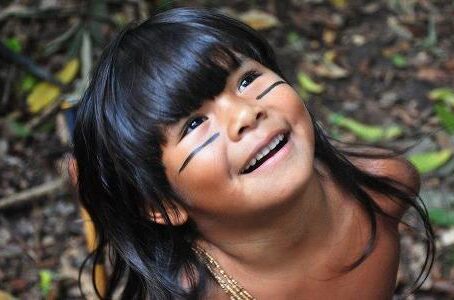
Humanity has always searched for purpose, peace, and a deeper understanding of existence. Through spirituality, indigenous wisdom, and ancient traditions such as shamanism, people continue to seek an awakening of consciousness that reconnects them with nature, community, and themselves.
By Baby Garroux
Human beings are eternal seekers, driven by the search for meaning, peace, and spiritual awakening
Throughout history, humanity has searched for the awakening of consciousness. During moments of silence, reflection, and introspection, even the most disconnected societies seek to recover something that seems to have been lost over time.
For millions of years, people have pursued dignity while confronting not only the darker aspects of life but also cultural, political, and socioeconomic forces. Human beings are, by nature, eternal seekers—constantly searching for happiness, peace, fulfillment, and a better life not only for themselves but for humanity as a whole.
“Human beings are eternal seekers, always searching for peace, happiness, and a higher purpose.”
Spirituality as a Path to Knowledge
Throughout history, people have found different ways to overcome adversity and rediscover forgotten wisdom. Religion, spirituality, meditation, concentration, and the pursuit of knowledge have all served as paths toward understanding and liberation from ignorance imposed by external powers.
For many, this journey ultimately leads to what can be described as the awakening of consciousness—a deeper awareness of oneself, others, and the world.
Understanding Shamanism Beyond Religion
Shamanism is not a religion but rather a philosophy that integrates the mental, spiritual, physical, and psychological dimensions of life. It represents a way of existing in harmony with the planet rather than following a specific doctrine.
Ancient civilizations practiced these principles long before modern society. Today, people who embrace this worldview often develop a profound respect for Mother Earth, recognizing the importance of protecting nature and preserving ecological balance.
In this sense, every authentic shamanic practitioner is also a holistic individual, guided by respect, vision, and responsibility toward life.
Those who sincerely follow these principles become visionaries dedicated to collective well-being, while those who commercialize faith ultimately distance themselves from the true essence of spirituality.
In Brazil, hundreds of Indigenous organizations continue working toward the preservation of ancestral knowledge and the protection of their cultural heritage.
Brazil’s Deep Spiritual Identity
Brazil has long been recognized as a profoundly spiritual nation. Brazilians are often intuitive, value dreams, and maintain strong religious traditions shaped by Indigenous, African, European, and Asian cultural influences.
This rich diversity has produced countless expressions of faith and spirituality. One of Brazil’s greatest strengths is the coexistence and mutual respect shared among different beliefs, religions, and traditions.
It is important, however, to distinguish shamanism from pajelança, as they represent different traditions. A shaman is not the same as a pajé, just as a priest is different from a pastor. Each fulfills a unique spiritual role within their own cultural context.
The Sacred Role of the Pajé
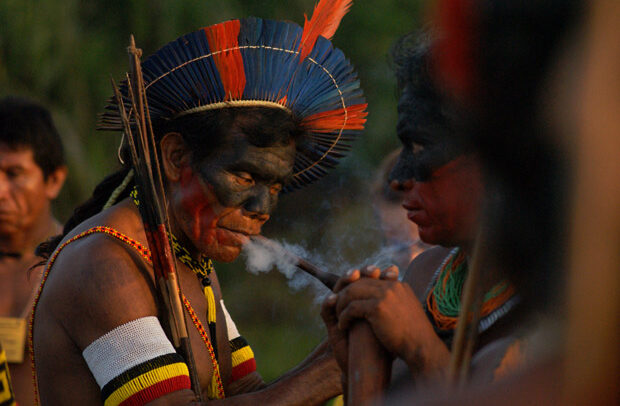
The pajé embodies generations of ancestral wisdom dedicated to healing, service, and community
Every individual develops at their own pace, and the exchange of spiritual knowledge enriches society. Greater ecumenical dialogue can strengthen mutual understanding among different traditions.
Within Indigenous cultures, the pajé represents the highest expression of healing and spirituality. This wisdom is inherited through generations rather than learned in formal institutions. A pajé acquires knowledge by observing parents, grandparents, and ancestors from early childhood, learning sacred prayers, healing practices, and community responsibilities.
Unlike material wealth, the greatest possession of a pajé is the spiritual gift received from the Creator. Guided by wisdom and humility, the pajé serves the community with compassion, solidarity, and dedication.
Traditionally, there is no capitalist relationship between the pajé and those seeking healing. Service is understood as a responsibility toward the collective well-being of the community.
Traditional Knowledge as Cultural Heritage
The pajé and the practice of pajelança represent one of the most authentic expressions of Indigenous traditional knowledge. This heritage forms an essential part of Indigenous intellectual and cultural identity, regardless of whether it aligns with scientific frameworks.
Each pajé belongs to a specific Indigenous nation, carrying unique customs, beliefs, and healing practices. Consequently, approaches may differ among ethnic groups, and some practitioners may choose to interact with urban society in ways that reflect contemporary realities while preserving ancestral traditions.
African Spiritual Traditions and the Awakening of Consciousness
Within Afro-Brazilian traditions, spiritual leadership is represented by the ialorixá and babalorixá, who preserve sacred knowledge passed through generations.
Together with Indigenous spiritual leaders, shamans, priests, and other religious guides, they remind humanity of a fundamental truth: despite our cultural differences, we share the same human essence.
Their teachings encourage respect, compassion, and the awakening of collective consciousness.
* Baby Garroux lives in São Paulo and travels the world spreading her knowledge and experience. She visits California often and usually stays in Los Angeles and/or San Francisco.
Frequently Asked Questions – FAQ
1. What does “awakening consciousness” mean?
It refers to developing a deeper awareness of oneself, others, nature, and one’s purpose in life through reflection, spirituality, and personal growth.
2. Is shamanism considered a religion?
No. Shamanism is generally understood as a spiritual philosophy or way of life rather than an organized religion.
3. What is the difference between a shaman and a pajé?
A shaman is a broader spiritual figure found in different cultures, while a pajé is an Indigenous spiritual leader belonging to specific Indigenous communities in Brazil.
4. Why is Brazil considered a spiritually diverse country?
Brazil’s spiritual diversity reflects the influence of Indigenous, African, European, and Asian traditions, creating a rich coexistence of religions and beliefs.
5. Why is preserving Indigenous knowledge important?
Traditional Indigenous knowledge protects cultural identity, preserves ancestral wisdom, and contributes valuable perspectives on environmental conservation, healing, and community life.