Born in the favelas of Rio de Janeiro, Brazilian Baile Funk emerged from Afro-American musical influences and became one of Brazil’s most powerful cultural movements. From underground dance parties to global recognition, funk carioca reflects the creativity, resilience, and voice of Brazil’s urban youth.
By Luciana de Alencar | Translation: Christine Di Stefano

Brazilian Baile Funk began as a voice for youth in the favelas of Rio de Janeiro
At the end of the 1960s and early 1970s, funk — a musical genre created by African American communities in the United States — began gaining popularity in Brazil.
The first Brazilian fans of funk were young people living in the favelas, who quickly identified with its rhythm and message of expression and empowerment.
Initially embraced by marginalized communities, funk gradually expanded beyond the favelas and became a national cultural phenomenon, appreciated by people from different social classes.
Today, the genre has evolved into a uniquely Brazilian sound known worldwide as Brazilian Funk or Funk Carioca.
The First Baile Funk Parties in Rio
The earliest Baile Funk dance parties appeared in 1968 in Rio de Janeiro.
One of the pioneers was Dom Filó, who organized events in the North Zone at the Clube Renascença.
At the same time, the legendary DJ Big Boy helped introduce funk to audiences in the South Zone at the iconic music venue Canecão.
Funk parties were not just about dancing — they were also spaces for racial awareness and cultural pride, encouraging Afro-Brazilians to celebrate their heritage despite social challenges such as poverty, unemployment, and lack of public services.
A Rhythm with Deep Black Roots
In Rio’s northern suburbs, dance floors were dominated by funk and soul music, while wealthier neighborhoods in the South Zone favored rock.
From this cultural landscape emerged the Black Rio, one of the earliest expressions of Black youth identity in Brazil.
During this era, several important musicians gained recognition, including:
-
Banda Black Rio
-
Cassiano
-
Hyldon
-
Gerson King Combo
The influence of this movement even reached major Brazilian artists such as Gilberto Gil, who incorporated funk elements into his 1974 album Refavela.
The Black dance parties, known as Bailes Black, also helped launch the careers of legends of Brazilian music like:
-
Tim Maia
-
Jorge Ben Jor

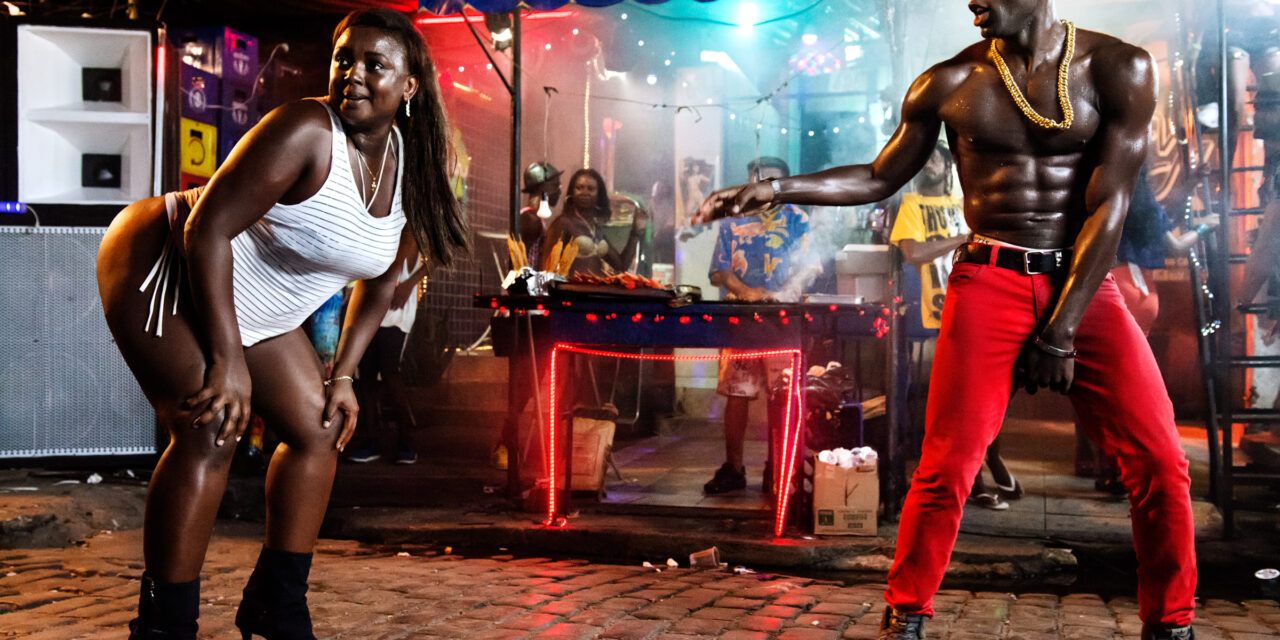
Foto de Vincent Rosenblatt for the project “Olhares do Morro”
The Rise of Funk Crews
One of the most influential groups in the history of Brazilian funk is Furacão 2000, founded in 1983 and still active today.
Other influential funk teams that emerged from Rio’s suburbs and favelas include:
-
Pipoo’s
-
Espião Shock de Monstro
-
New Funk
The Baile Funk parties became spaces where young artists could showcase their creativity through:
-
innovative beats
-
socially conscious lyrics
-
energetic and sensual dance styles
For thousands of young people, the bailes provided a rare space for cultural expression and community identity.
Funk as Resistance and Cultural Expression
The strength of Brazilian funk comes largely from its grassroots origins.
Despite criticism and misunderstanding from mainstream society, funk has continued to grow in popularity both inside and outside the favelas.
Today, baile funk parties attract thousands of people every weekend, often bringing together audiences from different social backgrounds.
Funk also plays a role in social development initiatives. Non-governmental organizations like Agência Olhares have launched projects such as Olhares do Morro, highlighting the cultural significance of funk communities.
Photographers like Vincent Rosenblatt have documented these scenes, drawing attention to both the creativity and social challenges present in Brazil’s favelas.
Brazilian Funk Goes Global
Beginning in the 1990s, Brazilian funk started reaching international audiences.
It appeared in:
-
European advertising campaigns
-
international club scenes
-
global dance music culture
In cities like London, Brazilian funk became a regular presence in nightclubs.
One notable international artist who helped popularize the sound is M.I.A., who has blended Brazilian funk with reggae and global electronic beats in her music.

Despite criticism, funk has grown into one of Brazil’s most influential musical genres
A Sound That Crosses Borders
Like many cultural expressions created by marginalized youth, Brazilian funk initially faced criticism and rejection.
However, the Baile Funk movement represents much more than a music genre.
It is:
-
a voice of urban resistance
-
a celebration of community identity
-
an example of creative freedom beyond social barriers
Today, the contagious rhythm of Funk Carioca can be heard in cities around the world — from Rio de Janeiro to São Paulo, London, and beyond.
What began in the favelas has become a global cultural phenomenon, proving that music born from struggle can resonate far beyond its origins.
FAQ – Frequently Asked Questions
What is Baile Funk?
Baile Funk refers to dance parties featuring Brazilian funk music, a genre that originated in the favelas of Rio de Janeiro.
When did Brazilian funk begin?
The movement began in the late 1960s and early 1970s, influenced by American funk and soul music.
Who organized the first funk dance parties in Rio?
Early bailes were organized by pioneers like Dom Filó and DJ Big Boy.
What is the Black Rio movement?
The Black Rio was a cultural movement celebrating Black identity, music, and culture in Brazil during the 1970s.
Is Brazilian funk popular outside Brazil?
Yes. Brazilian funk has become popular internationally, especially in cities like London, and has influenced global artists such as M.I.A.