Ecotourism is more than visiting beautiful natural destinations—it requires environmental responsibility, scientific planning, and respect for local communities. Discover why responsible ecotourism is becoming one of the most important travel trends in Brazil and around the world in 2026.
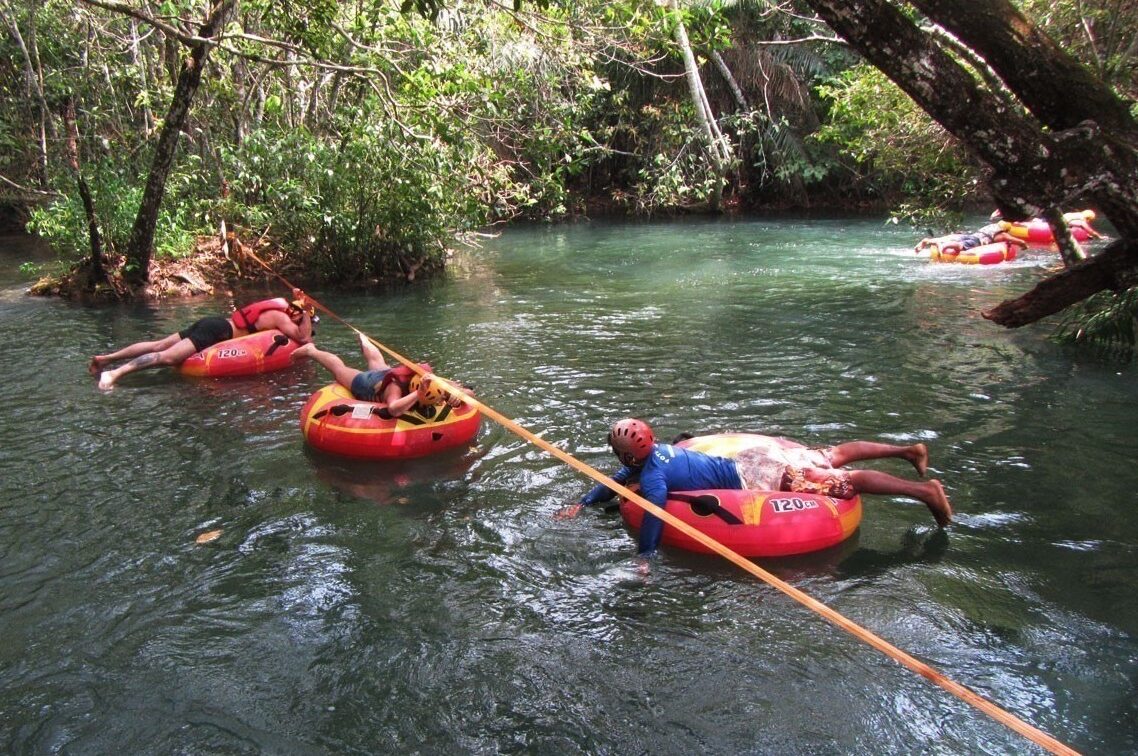
Responsible ecotourism begins where environmental awareness becomes part of every journey
As ecotourism continues to grow worldwide, protecting nature is no longer enough—it must also protect local communities, biodiversity, and cultural heritage. In Brazil, one of the world’s richest ecological destinations, responsible tourism has become an essential commitment for travelers, businesses, and governments alike.
For many years, the term ecotourism has become increasingly popular, especially in countries blessed with extraordinary biodiversity such as Brazil. Yet despite its widespread use, there has been surprisingly little discussion about the ethics, responsibility, and long-term consequences behind this rapidly expanding industry.
Today, countless hotels, tour operators, travel agencies, and tourism suppliers promote their services using the “eco” label. However, simply adding an environmental appeal to a travel package does not automatically make it sustainable. True ecotourism requires much more than visiting beautiful natural landscapes—it demands careful planning, scientific knowledge, environmental education, and genuine respect for both nature and local communities.
Ecotourism is generally defined as responsible travel to protected natural areas that conserves the environment while improving the well-being of local people. It encourages visitors to experience ecosystems in a way that supports conservation and promotes cultural understanding. Nevertheless, merely being present in a natural environment does not necessarily characterize an authentic ecotourism experience. Although the concept is environmentally appealing and socially accepted, its outcomes are not always positive when tourism activities are poorly managed.
The Rapid Growth of Ecotourism
By 2026, sustainable tourism has become one of the fastest-growing segments of the global travel industry. International organizations such as UN Tourism (formerly the United Nations World Tourism Organization) have reinforced the importance of tourism that balances economic development with environmental conservation and social inclusion.
Brazil, home to the Amazon Rainforest, the Pantanal, the Atlantic Forest, the Cerrado, the Caatinga, and thousands of protected coastal ecosystems, has enormous potential to lead the global ecotourism market. This growth generates billions of dollars annually, creates jobs, supports local economies, and encourages valuable cultural exchange.
However, economic growth alone should never be considered the only measure of success.
Many ecological tourism operators still fail to collaborate with universities, environmental agencies, conservation organizations, and research institutions when planning their activities. Scientific knowledge remains essential for understanding how ecosystems function and how tourism can coexist with environmental preservation.
When Ecotourism Becomes a Threat
Responsible tourism begins with understanding the limits of nature.
Questions such as how waste is managed, how many visitors an ecosystem can safely receive, how wildlife reacts to human presence, and how local infrastructure supports tourism are often underestimated.
Without careful planning, tourism itself can become one of the greatest threats to the very environments it intends to celebrate.
Poorly managed ecotourism may result in:
- excessive waste generation in protected areas;
- degradation of hiking trails and fragile ecosystems;
- disturbance of wildlife reproduction and migration;
- abandonment of offspring by female animals due to excessive human interference;
- injuries to fish, dolphins, turtles, and other aquatic species caused by tourist boats;
- cutting native vegetation for firewood or campsite activities;
- pollution of rivers, beaches, waterfalls, and forests;
- irreversible impacts on biodiversity.
These are not hypothetical situations. They are documented examples of environmental degradation caused by tourism practices that prioritize profit over preservation.
Environmental Responsibility Is Everyone’s Duty
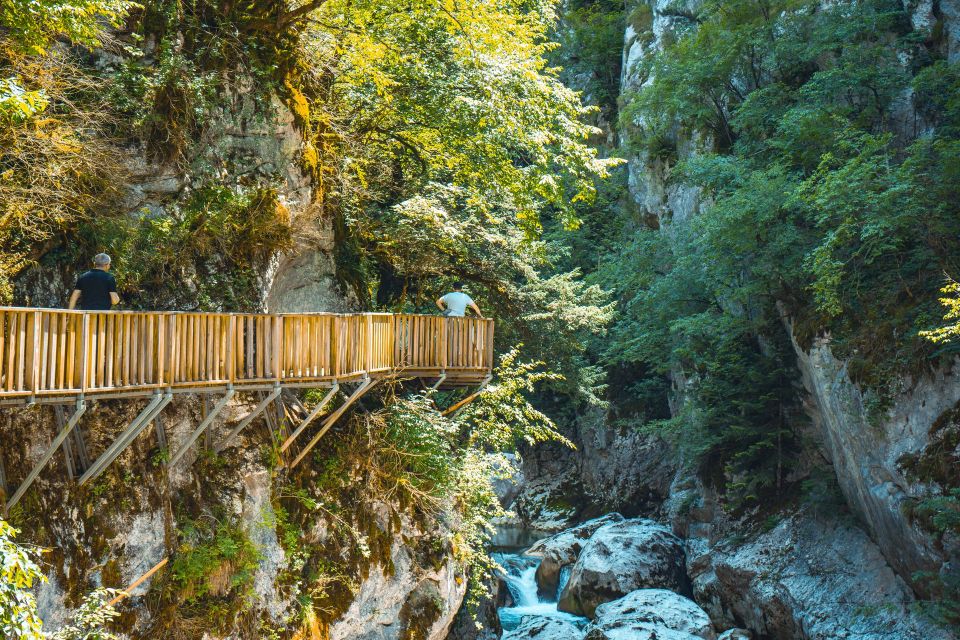
A beautiful destination only remains beautiful when tourism respects its environmental limits
The objective is not to discourage tourism but to encourage better tourism.
Ecotourism operators have an ethical responsibility to recognize that they are not merely selling travel experiences—they are acting as temporary guardians of some of the planet’s most valuable natural environments.
Likewise, tourists must understand that responsible travel goes far beyond taking photographs or enjoying breathtaking landscapes. Every visitor has a role in protecting ecosystems by minimizing waste, respecting wildlife, following local regulations, supporting conservation initiatives, and making informed choices about the companies they hire.
Environmental awareness should become an essential part of every journey.
Respecting Local Communities
One of the most overlooked aspects of ecotourism is respect for local cultures.
Many traditional communities, Indigenous peoples, fishermen, riverside populations, and rural families have protected their territories for generations. Their knowledge, customs, traditions, and way of life represent an invaluable cultural heritage.
Tourism should never weaken this identity.
Visitors should approach local communities with humility, curiosity, and respect, seeking to learn rather than impose their own customs or lifestyles. When tourism ignores local traditions, it may accelerate cultural loss, reduce community autonomy, and transform authentic cultural expressions into commercial attractions.
Responsible tourism should strengthen—not replace—local identity.
The Responsibility of Tourism Operators
Tour operators play a fundamental educational role.
Before any excursion begins, visitors should receive guidance on environmental protection, wildlife observation, waste disposal, cultural sensitivity, and responsible behavior.
Travel experiences become far richer when tourists are encouraged to understand the history, traditions, biodiversity, and conservation challenges of the places they visit.
Companies that ignore these responsibilities should no longer be viewed as leaders in sustainable tourism.
Instead, travelers should prioritize businesses that demonstrate genuine environmental commitment, transparency, scientific collaboration, and respect for local communities.
Environmental Education: The Most Powerful Conservation Tool
Ultimately, environmental education remains the strongest foundation for successful ecotourism.
People protect what they understand.
Governments, educational institutions, tourism companies, conservation organizations, and travelers all share responsibility for promoting environmental awareness.
Public policies should continue strengthening standards for sustainable tourism, enforcing environmental regulations, improving inspection of tourism activities, encouraging scientific research, and supporting local communities that preserve natural resources.
Brazil has already taken important steps by expanding protected areas, strengthening sustainable tourism policies, and promoting initiatives that encourage climate resilience, biodiversity conservation, and community-based tourism. Yet much work remains ahead.
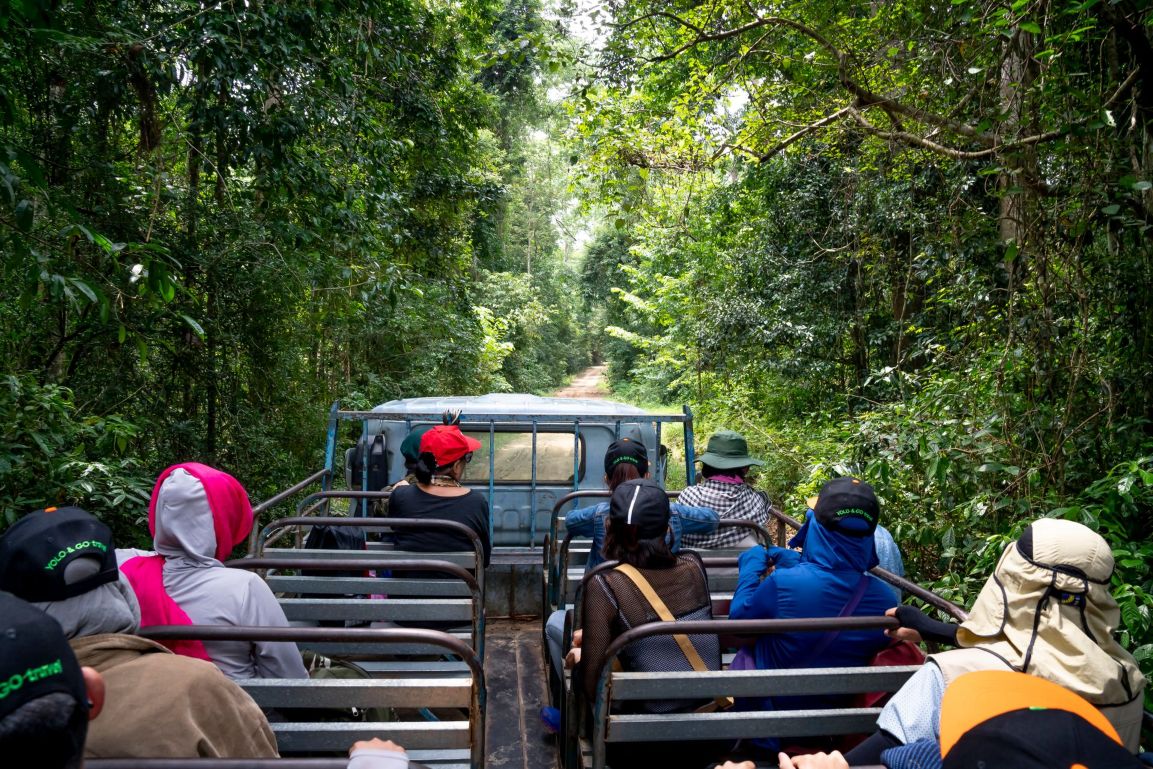
The future of travel depends not on where we go, but on how responsibly we choose to get there
If ecotourism is to continue growing in a positive and sustainable way, it must be guided by three inseparable pillars:
research, planning, and environmental education.
Only through this combination can ecotourism fulfill its true mission: protecting nature while creating meaningful experiences that benefit both present and future generations.
Responsible tourism is no longer simply a travel trend.
In 2026, it has become a global responsibility.
Frequently Asked Questions – FAQ
1. What is ecotourism?
Ecotourism is responsible travel to natural areas that conserves the environment, supports local communities, and promotes environmental education while minimizing negative impacts on ecosystems.
2. How is ecotourism different from traditional tourism?
Traditional tourism often focuses on recreation and economic activity, while ecotourism emphasizes conservation, sustainability, respect for local cultures, and responsible visitor behavior.
3. Why is Brazil considered one of the world’s top ecotourism destinations?
Brazil is home to globally significant ecosystems such as the Amazon Rainforest, Pantanal, Atlantic Forest, Cerrado, Caatinga, and extensive coastal biodiversity, making it one of the richest countries for nature-based tourism.
4. What are the risks of poorly managed ecotourism?
Without proper planning, ecotourism can lead to habitat degradation, wildlife disturbance, pollution, excessive waste, trail erosion, and the loss of cultural identity in local communities.
5. How can travelers practice responsible ecotourism?
Travelers should choose certified operators, follow park regulations, minimize waste, respect wildlife and local traditions, support community-based businesses, and prioritize experiences that contribute to environmental conservation.