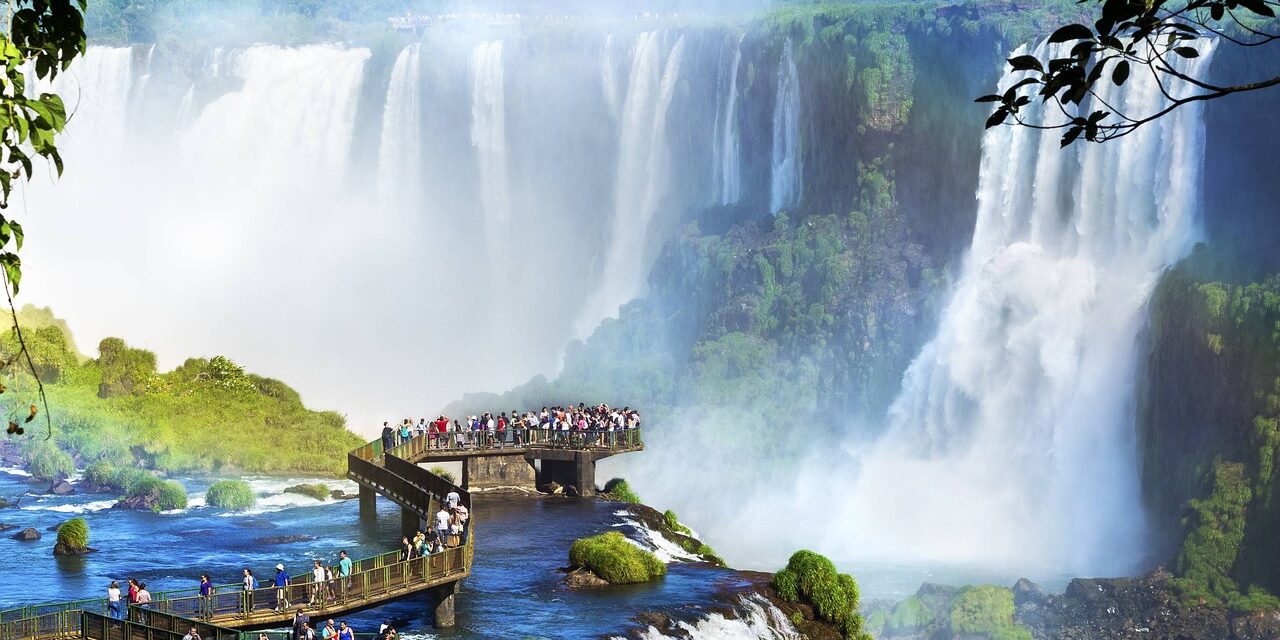
Iguazu Falls in Brazil is one of the New Seven Wonders of Nature, featuring 275 waterfalls across the Brazil–Argentina border. Located in Foz do Iguaçu, it offers panoramic trails, boat adventures, wildlife encounters, and easy access to three countries in one trip.
By Lindenberg Junior | Translated Mallory Adragna

Visitors can experience breathtaking views of the waterfalls in the Cataratas National Park
If you think you’ve seen impressive waterfalls at Niagara Falls, wait until you experience Iguaçu Falls in southern Brazil.
Recognized as one of the New Seven Wonders of Nature, Iguazu Falls is not just a waterfall — it’s a multi-sensory spectacle of roaring water, rainforest biodiversity, and cross-border adventure.
Located in Foz do Iguaçu, in Brazil’s Paraná state, the falls stretch across the border with Argentina and sit near Paraguay — giving U.S. travelers a rare opportunity to explore three countries in one trip.
With nearly 275 individual waterfalls, some plunging up to 269 feet (82 meters), Iguazu dwarfs most waterfalls in North America in scale and drama.
What Makes Iguazu Falls So Special?
-
One of the largest waterfall systems in the world
-
Surrounded by protected rainforest in Iguaçu National Park
-
A UNESCO World Heritage Site
-
One of Brazil’s top three international tourist destinations
-
Located in the famous Triple Frontier (Brazil–Argentina–Paraguay)
For American travelers seeking eco-tourism, soft adventure, and iconic photography spots, Iguazu delivers all three in spectacular fashion.
When Is the Best Time to Visit Iguazu Falls?
Southern Brazil’s rainy season (December–February) transforms the falls into a thunderous natural force.
-
Average water flow: 1,500 cubic meters per second
-
Peak rainy season flow: Up to 11,000 cubic meters per second
Translation for U.S. visitors?
The falls go from “impressive” to “absolutely mind-blowing.”
However, shoulder seasons (March–May and September–November) offer fewer crowds and clearer walking conditions.
Exploring Iguaçu National Park (Brazil Side)
The Brazilian side offers the most panoramic views of the falls.
At Iguaçu National Park, visitors:
-
Purchase tickets online or at the entrance
-
Take a park-operated bus to the main trail
-
Walk the 1-mile Cataratas Trail
-
Enjoy multiple scenic overlooks (fully fenced and safe)
The Grand Finale: Devil’s Throat
The highlight? The dramatic Garganta do Diabo (“Devil’s Throat”).
A metal walkway extends over the churning water, placing you directly above the most powerful section of the falls — where Brazil and Argentina meet.
Expect:
-
Thunderous sound
-
Mist-soaked selfies
-
One unforgettable adrenaline rush
Pro tip: Bring a poncho or buy one on-site. You will get wet.
Go Beyond the View: Immersive Experiences in Foz do Iguaçu
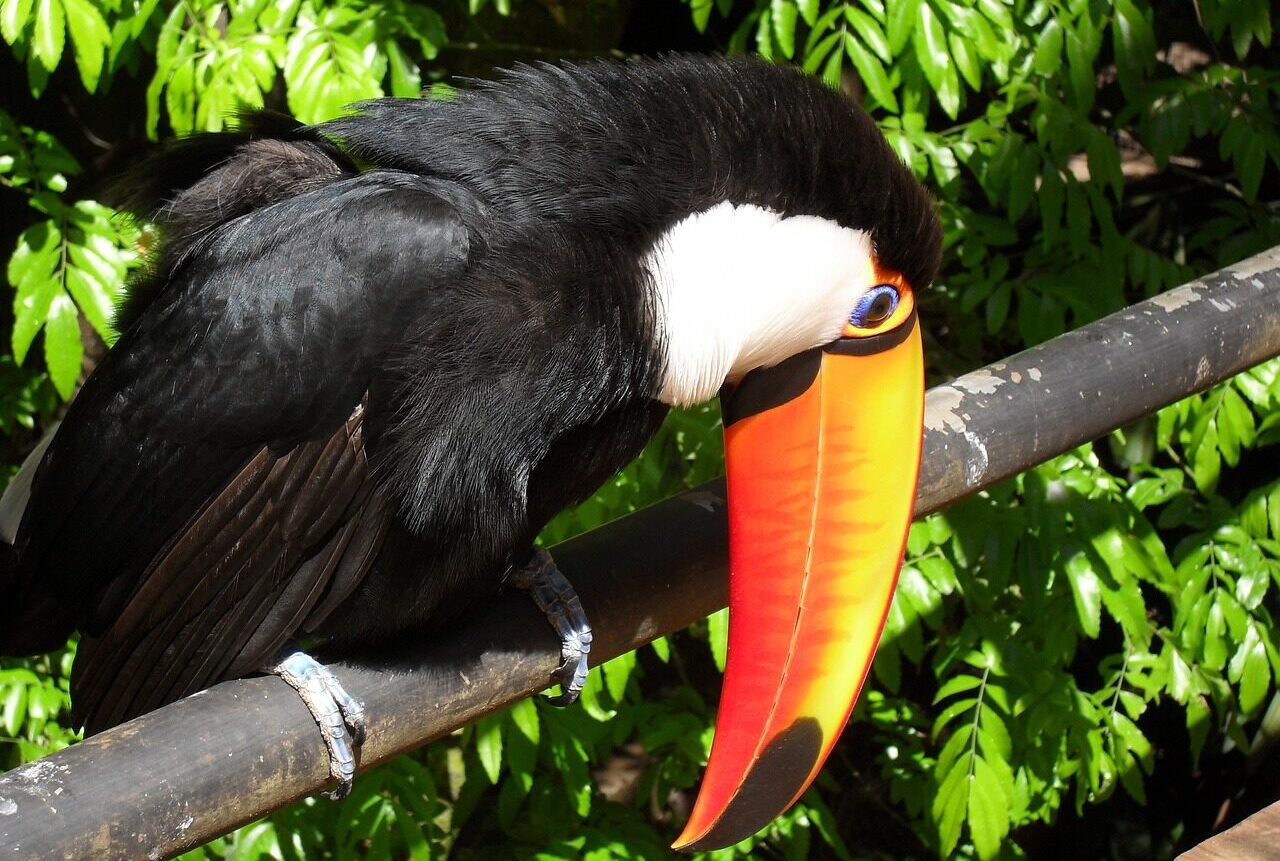
Discover the fauna and flora of Foz do Iguaçu at the Bird Park
Parque das Aves (Bird Park)
Right across from the national park entrance sits Parque das Aves.
This 16-hectare sanctuary houses:
-
1,500+ animals
-
140+ species
-
Toucans, macaws, flamingos, reptiles, and more
It’s one of the most interactive wildlife parks in Brazil — perfect for families and photography lovers.
Macuco Safari Boat Adventure
For thrill-seekers, the Macuco Safari takes you by boat directly beneath the waterfalls.
Expect:
-
Jungle jeep ride
-
High-speed boat ride into the spray
This is Iguazu at full throttle.
One Trip, Three Countries: The Triple Frontier Experience
Iguazu Falls sits at the intersection of:
-
Brazil – Foz do Iguaçu
-
Argentina – Puerto Iguazú
-
Paraguay – Ciudad del Este
Many U.S. travelers structure their itinerary like this:
-
Morning: Shopping in Paraguay
-
Afternoon: Explore Brazil’s panoramic trail
-
Evening: Steak and Malbec in Argentina
Few destinations in the world allow you to cross three international borders in a single day so easily.
How to Get There from the U.S.
Most American travelers:
-
Fly into São Paulo or Rio de Janeiro
-
Take a domestic flight to Foz do Iguaçu (about 1.5–2 hours from São Paulo)
Foz do Iguaçu International Airport is modern and well-connected.
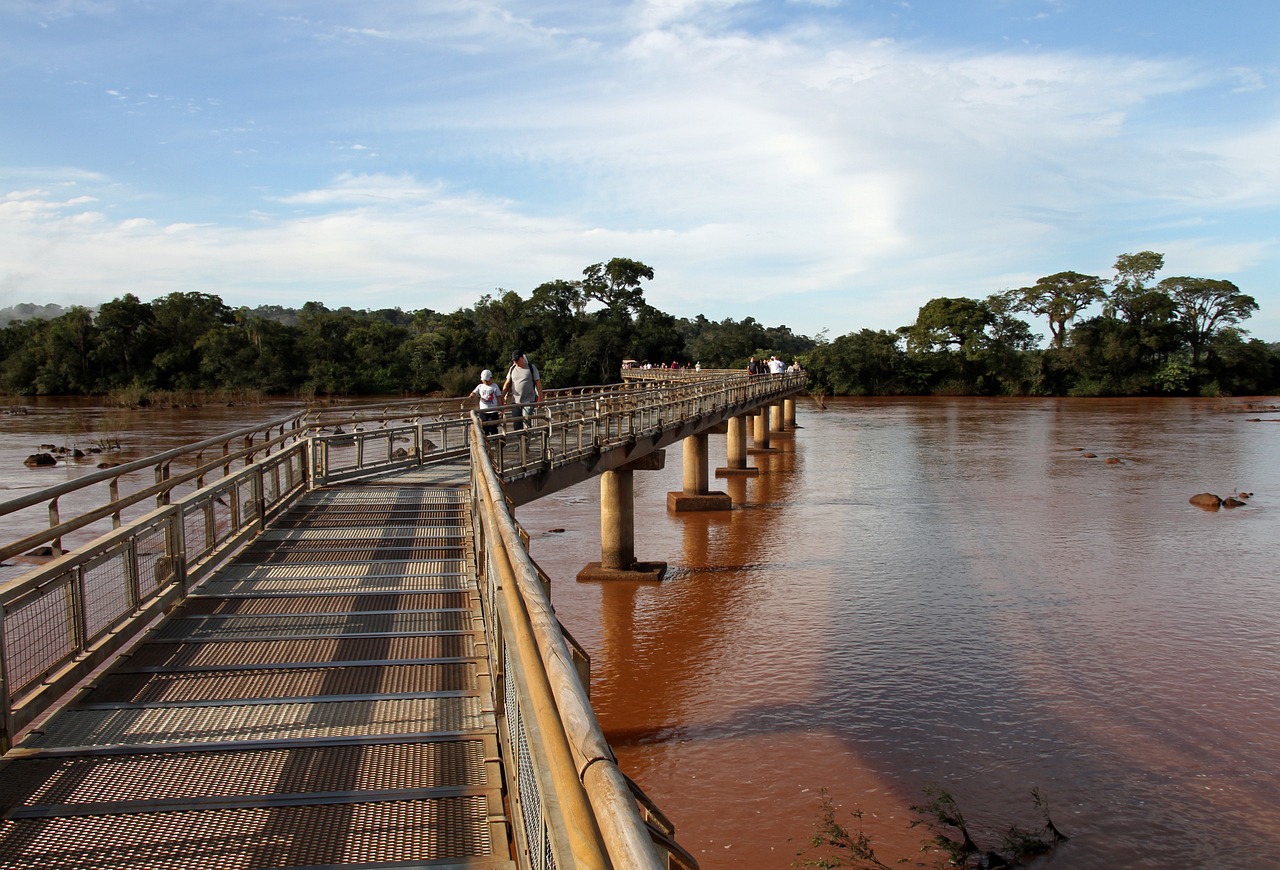
Get up close to the waterfalls with a boat trip
Why Iguazu Falls Beats Expectations
For U.S. visitors accustomed to national parks like Yellowstone or Yosemite, Iguazu offers something different:
-
Tropical biodiversity
-
International culture blending
-
Massive waterfall scale
-
Safe and well-organized infrastructure
-
Unique cross-border tourism
It’s not just sightseeing — it’s immersion.
* For advice and assistance in the United States , please contact our travel agent Magali Da Silva – Phone / WhatsApp: 1 (323) 428-1963. We are based in Los Angeles, California and have been established for over 25 years.
FAQ – Frequently Asked Questions
1. Is Iguazu Falls better from the Brazil or Argentina side?
Brazil offers the best panoramic views; Argentina provides closer access to individual falls. Ideally, visit both.
2. Do U.S. citizens need a visa for Brazil?
As of recent updates, visa policies can change. Always check official Brazilian government travel requirements before departure.
3. How many days do you need in Iguazu?
2–3 days is ideal to explore both sides of the falls and enjoy additional activities like the Bird Park or boat tours.
4. Is Iguazu safe for American tourists?
Yes. The park is well-managed and heavily visited by international travelers.
5. What should I pack?
Light clothing, waterproof shoes, sunscreen, insect repellent, and a poncho.