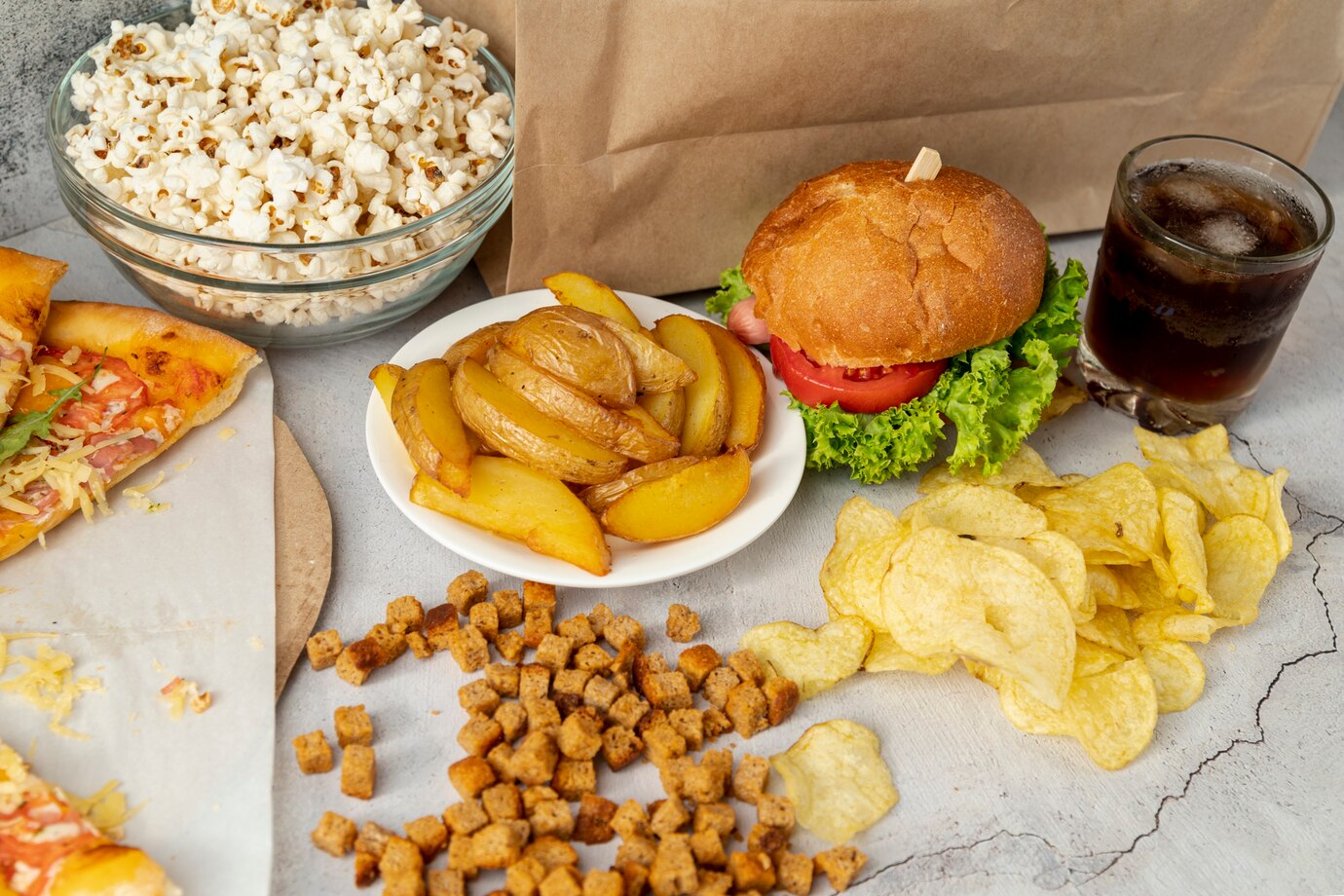
Junk food is full of empty calories that do nothing for your body
Just as the name suggests, junk food is junk. It is packed with calories that do absolutely nothing for your body. These are known as empty calories, meaning they have little to no nutritional value.
Most of these calories come from sugar and unhealthy fats, which contribute to weight gain and increased body fat—without offering any real nourishment.
The Impact on Your Body and Energy
Junk food can also cause water retention, leaving you feeling bloated, sluggish, and tired. Instead of providing energy, it often has the opposite effect, making it harder to stay active.
The long-term consequences can be serious, ranging from overweight and obesity to clogged arteries, which may eventually lead to heart attacks.
Why We Crave Junk Food
So why do people love junk food so much?
The truth is that our brains react very positively to fatty and sugary foods. These foods trigger “feel-good” hormones that mimic the effects of addictive drugs such as cocaine and heroin. That’s why cravings feel so powerful.
After all, how many people crave spinach?
Cravings for ice cream, chips, soda, and cookies are a completely different story.
To overcome these food addictions, you must retrain your body, change old habits, and reshape your taste preferences. It takes time and effort—but it can be done.
Common Excuses—and Why They Don’t Hold Up
To begin removing junk food from your diet, common sense is essential. Many people claim that eating junk food is cheaper than eating healthy, or that healthy food simply doesn’t taste good.
The truth?
Your taste buds need reprogramming.
If you’ve been eating junk food your entire life, your body will naturally crave it. But it’s up to you to train your body and mind to crave healthier options instead.
Is Junk Food Really Cheaper? A Simple Comparison
Let’s compare potato chips vs. oranges:
A bag of potato chips costs about $3.99 and may last a family of four one day—if that long.
A bag of oranges costs around $4.00 and usually contains 8–10 oranges, making up to 16 snacks, enough to last four days for a family of four.
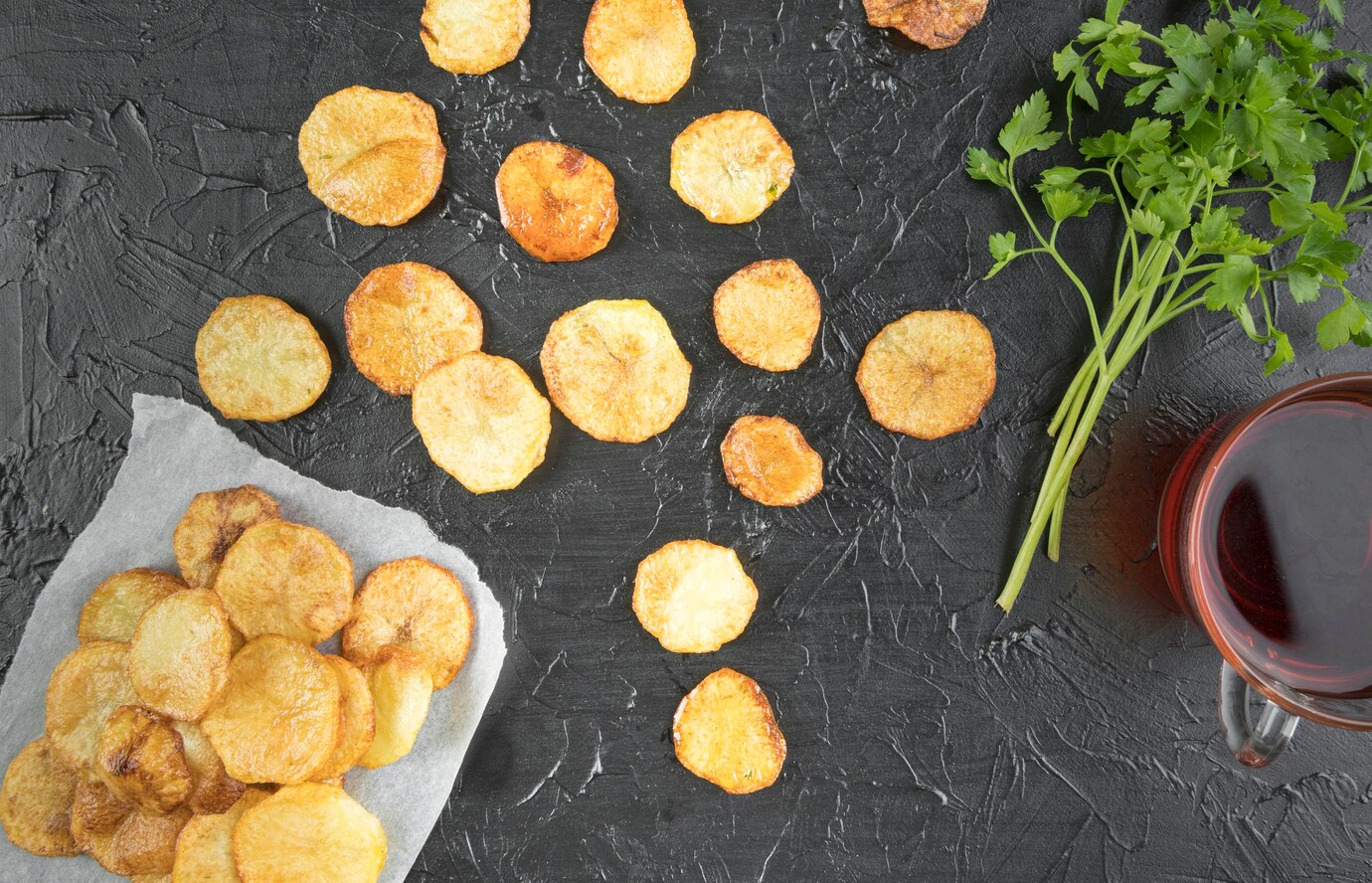
You must retrain your body to crave healthy food
Nutritional Comparison
Potato Chips (1 oz):
160 calories
10 grams of fat
170 mg of sodium (7% daily allowance)
One Orange:
45 calories
0 fat
0 sodium
85% of daily vitamin C
Plus potassium and fiber
When eating chips, you may be sitting on the couch watching TV while fat accumulates in your body. But when you eat an orange, even the smell energizes you.
And this is just one example.
Planning Makes the Difference
Removing junk food from your diet does require planning, but it’s entirely possible to eat healthy on the same budget you already have.
When you first remove junk food, cravings will happen. The key is to have smart substitutions ready.
Healthy Substitutions for Cravings
A square of dark chocolate instead of a candy bar
Unsalted pretzels or air-popped popcorn instead of chips
Baked vegetable strips instead of chips
Raw nuts for a crunchy snack
Plain yogurt with fruit, honey, or nuts instead of ice cream
Flavored sparkling water instead of soda
Fresh fruit instead of cake or cookies
Raisins or cherries instead of candy

Replacing junk food improves your health and energy
Substituting Ingredients in Recipes
You can also create healthier versions of your favorite recipes:
Replace butter in baked goods with applesauce
Use non-fat plain yogurt instead of sour cream or mayonnaise
If you love mayonnaise, try avocado on sandwiches—it has the same creamy texture, without the empty calories
Bottom Line
These are just a few ways to remove junk food from your diet. There are many other options available, and with time, healthier eating becomes natural.
Replacing junk food with nutritious alternatives will improve your health, boost your energy, and support the well-being of your entire family.
FAQ – Frequently Asked Questions
1. Why is junk food considered unhealthy?
Because it contains empty calories with little to no nutritional value, leading to weight gain and health problems.
2. Is junk food addictive?
Yes. Fatty and sugary foods trigger feel-good hormones that mimic addictive substances.
3. Is eating healthy more expensive?
No. With proper planning, healthy foods often last longer and provide more value.
4. How long does it take to retrain taste buds?
It varies, but most people notice changes within a few weeks of consistent healthy eating.
5. What’s the best way to start cutting junk food?
Start with substitutions and remove junk gradually while planning healthier snacks.