Brazil’s Amazon region is home to nutrient-rich foods that have been part of Indigenous and regional cuisine for generations. Cupuaçu, guaraná and heart of palm are three Amazonian ingredients worth discovering — and some are increasingly available to Brazilian communities and health-food shoppers in the U.S.
By Lindenberg Junior
Brazil’s Northern region, home to states such as Pará, Amazonas, Acre, Roraima and Rondônia, is a vibrant culinary hub shaped by Indigenous traditions and the extraordinary biodiversity of the Amazon rainforest.
The region’s cuisine is rich in freshwater fish, root vegetables such as cassava and yams, and tropical fruits packed with distinctive flavors and nutrients.
For Brazilians living in the United States, many of these ingredients may also bring a taste of home to American kitchens.
Here are three Amazonian foods worth knowing: cupuaçu, guaraná and heart of palm (palmito) — plus a Brazilian-inspired juice recipe that combines several of these ingredients into one energetic drink.
Cupuaçu: The Amazon’s Creamy Superfruit
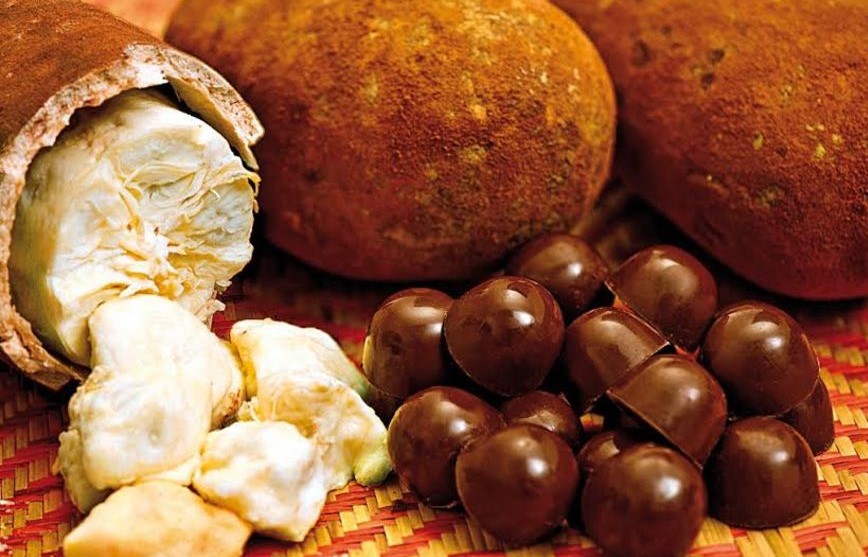
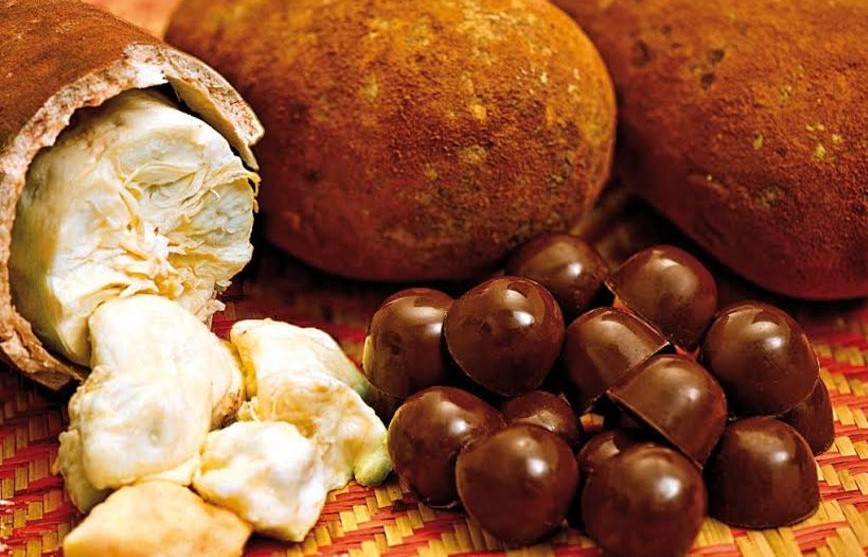
Cupuaçu (pronounced coo-poo-ah-SOO) is a tropical fruit related to cacao and is a beloved ingredient in Amazonian cuisine.
Its creamy, tangy pulp is used in a wide range of Brazilian foods and beverages, including jams, juices, ice creams, liqueurs and other desserts. Cupuaçu seeds are also used by the cosmetics industry, particularly in products designed to moisturize the skin.
Cupuaçu Health Benefits
Cupuaçu contains a variety of nutrients and plant compounds, including:
- Antioxidants
- Calcium
- Phosphorus
- Protein
- Vitamins A, B1, B2 and C
- Pectin and dietary fiber
Its flavor is distinctive: creamy, mildly tart and tropical. It is sometimes described as having notes reminiscent of pineapple and chocolate.
For Brazilians in the U.S., frozen cupuaçu pulp can be particularly useful for making smoothies, juices, bowls and desserts without needing access to fresh fruit.
Guaraná: Brazil’s Famous Natural Energy Booster
Guaraná is one of the Amazon’s most recognizable fruits and is widely associated with energy and alertness.
Many Americans may know guaraná because of Guaraná Antarctica, the popular Brazilian soft drink. But the fruit itself has a much longer history in the Amazon, particularly among Indigenous communities.
Guaraná seeds are commonly sold as powder, syrup or extract. They are naturally rich in caffeine, which is responsible for much of guaraná’s stimulating effect.
What Is Guaraná Used For?

Guarana is a high energy fruit from the Amazon.
Guaraná is commonly consumed to support:
- Energy and alertness
- Focus and concentration
- Reduced feelings of fatigue
- Physical performance
Because guaraná contains caffeine, however, more is not necessarily better. Excessive consumption can contribute to insomnia, anxiety, increased heart rate and other caffeine-related side effects.
If you’re trying guaraná for the first time, moderation is important — particularly if you are sensitive to caffeine or plan to consume it later in the day.
Heart of Palm (Palmito): A Brazilian Delicacy With an Environmental Problem
Known in Brazil as palmito, heart of palm is a tender vegetable harvested from the inner core of certain palm trees.
It has a mild flavor and smooth, delicate texture, making it popular in Brazilian salads, pies, pizzas and traditional dishes.
But not all heart of palm is environmentally equal.
Harvesting some species — particularly the juçara palm, native to Brazil’s Atlantic Forest — can kill the tree because the edible heart is removed from the plant. Overharvesting has therefore contributed to environmental concerns and population declines in some palm species.
More Sustainable Palmito Options
Some palm species offer more sustainable alternatives.
Açaí and pupunha palms can regenerate after harvesting under appropriate management, making them potentially better choices than heart of palm sourced from species that die after extraction.
When buying palmito in Brazil, consumers should pay attention to the product’s sourcing and environmental certifications. Certification and labeling requirements can vary, so consumers should verify the specific sustainability claims rather than relying on a generic seal.
Amazon Power Juice “Malhação”
Energizing Brazilian-Inspired Juice Recipe

Heart of Palms is known as Palmito in Brazil
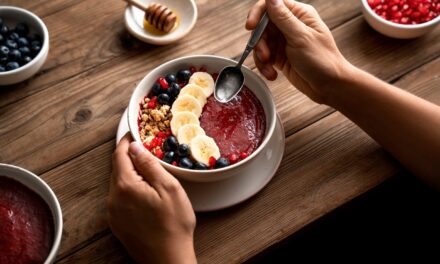
Inspired by the bold ingredients of the Amazon, this juice combines açaí, cupuaçu and guaraná with banana and apple juice.
It can be enjoyed as a refreshing beverage or incorporated into an active lifestyle. However, despite the original “muscle-building” name, the drink should not be considered a substitute for a balanced meal or a complete source of protein for muscle recovery.
Ingredients
- 50 g frozen açaí pulp
- 50 g frozen cupuaçu pulp
- ½ ripe banana
- ½ teaspoon guaraná powder
- 300 ml apple juice, preferably natural and unsweetened
- A dash of cinnamon
- 3 blueberries for topping
- Optional: brown sugar or honey, to taste
- Ice cubes
Preparation
- Add about six ice cubes to a blender and crush them.
- Add the açaí, cupuaçu, banana, guaraná powder, apple juice and cinnamon.
- Blend until smooth and creamy.
- Taste and add a small amount of honey or brown sugar if needed.
- Pour into a glass and top with blueberries.
Tip: Check the nutrition label when buying frozen Brazilian fruit pulp. Some commercial products may contain added sugar.
Bringing Amazonian Flavors to the U.S.
For Brazilians living in the United States, ingredients such as açaí, cupuaçu and guaraná can be a way to reconnect with Brazilian flavors while exploring new ways to prepare familiar foods.
Frozen fruit pulps, powders and specialty Brazilian products may be available through Brazilian grocery stores, Latin American markets, specialty food retailers and online sellers in the U.S.
When buying processed products, check the ingredient list, added-sugar content and sourcing information — especially when choosing products marketed as “superfoods.”
The Bottom Line
The Amazon is one of Brazil’s richest sources of culinary traditions and biodiversity.
Cupuaçu brings a creamy and distinctive tropical flavor, guaraná offers a naturally caffeinated ingredient with a long history in the Amazon, and palmito remains one of Brazil’s most versatile delicacies — although its environmental impact depends heavily on the species and how it is harvested.
For Brazilian readers in the U.S., these foods offer more than nutritional appeal: they are a flavorful connection to Brazil’s Amazonian heritage.
FAQ – Frequently Asked Questions
1. What is cupuaçu and what are its health benefits?

Juice with Açaí and other ingredients.
Cupuaçu is a tropical Amazonian fruit related to cacao. Its pulp contains nutrients and plant compounds, including vitamins, minerals, antioxidants and fiber. It is commonly used in juices, desserts, smoothies and other Brazilian foods.
2. What does cupuaçu taste like?
Cupuaçu has a creamy, mildly tart tropical flavor. It is sometimes described as having a combination of fruity and chocolate-like notes. Its distinctive taste makes it popular in Brazilian juices, ice creams, desserts and smoothies.
3. Is guaraná stronger than coffee?
Guaraná seeds are naturally rich in caffeine, but saying that guaraná is simply “stronger than coffee” can be misleading because caffeine levels vary significantly depending on the product, preparation and serving size. Guaraná can nevertheless provide a significant caffeine boost.
4. Is guaraná safe to consume every day?
Guaraná can contribute significant amounts of caffeine, so moderation is important. Excessive caffeine intake may cause insomnia, anxiety, digestive problems or an increased heart rate. People who are sensitive to caffeine should be particularly careful.
5. Is heart of palm sustainable?
It depends on the species and harvesting method. Harvesting heart of palm from some species, such as juçara, can kill the palm. Palmito from species such as pupunha can offer a more sustainable alternative when responsibly cultivated and harvested.
6. What is “Malhação” juice made of?
The Brazilian-inspired “Malhação” juice combines açaí, cupuaçu, banana, guaraná powder, apple juice and cinnamon. It is designed as an energizing fruit drink, although it should not be considered a complete muscle-building or post-workout meal.
7. Can I find cupuaçu and guaraná outside Brazil?
Yes. Depending on where you live, you may find frozen cupuaçu pulp, guaraná powder, extracts and other Amazonian products through Brazilian grocery stores, Latin American markets, specialty food retailers and online stores in the U.S. Availability varies by region.