A WFPB diet is less about labels and more about choosing real, whole, and nutrient-rich foods
When people hear the term “Whole-Food, Plant-Based Diet” (WFPB), they often assume it’s just another name for a vegan or vegetarian lifestyle. But nothing could be further from the truth. The WFPB way of eating isn’t about exclusion — it’s about inclusion. It’s a nutritional approach that focuses on what you add to your plate, not what you remove.
What Does “Whole-Food, Plant-Based” Really Mean?
Unlike restrictive diets that eliminate entire food groups, a Whole-Food, Plant-Based diet emphasizes nutrient-dense, minimally processed foods that come primarily from plants — but it doesn’t forbid small amounts of animal products.
In other words, this is not a diet of deprivation. It’s a flexible, health-centered approach to eating that celebrates real food — whether it grows from the ground or swims in the sea.
“Whole-food” means foods that are as close to their natural form as possible — think fruits, vegetables, whole grains, legumes, nuts, and seeds.
“Plant-based” simply means plants should form the foundation of your diet, not necessarily the entirety of it.
So yes, a fresh-caught salmon fillet or free-range egg can absolutely fit into a WFPB lifestyle.
The Focus Is on Inclusion, Not Exclusion
The beauty of the WFPB approach lies in its inclusiveness. Instead of obsessing over what to avoid, you’re encouraged to fill your plate with more wholesome, nutrient-rich foods.
This means incorporating foods like:
- Fresh fruits (strawberries, apples, oranges)
- Leafy greens and colorful vegetables
- Whole grains (quinoa, oats, brown rice)
- Legumes (lentils, beans, chickpeas)
- Healthy fats (avocados, olives, nuts, seeds)
Yes, a grilled chicken breast or wild-caught fish can still be part of a balanced WFPB pattern — as long as the majority of your meals come from plant sources and whole ingredients.
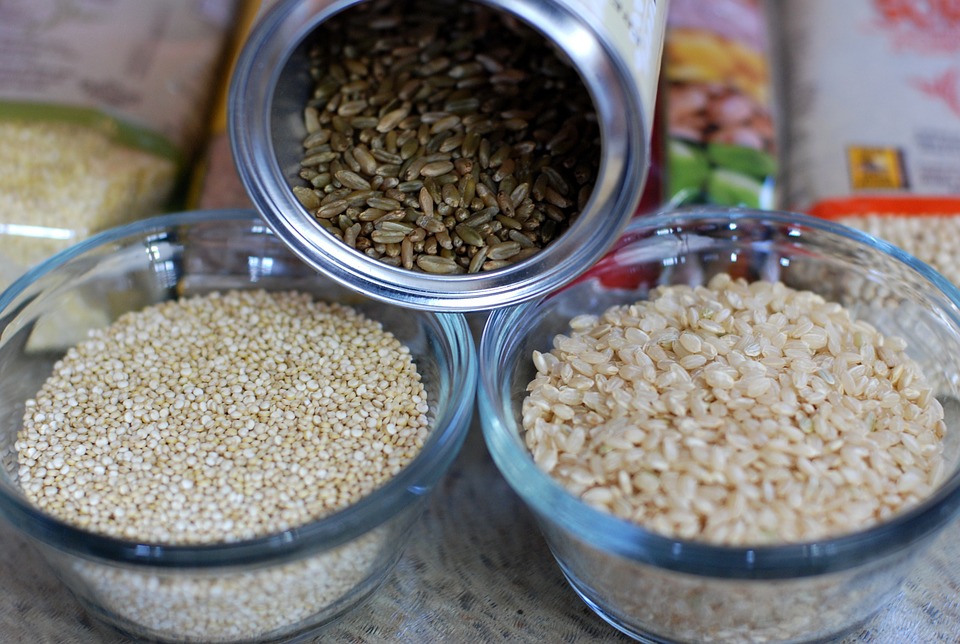
WFPB diet can help with weight management, lower cholesterol, reduce the risk of heart disease
WFPB Diets: Beyond Labels
Many popular eating styles can be considered WFPB — if done correctly. For example:
- Mediterranean Diet – rich in vegetables, olive oil, whole grains, and occasional fish.
- Pescatarian Diet – mostly plant-based with some seafood.
- Vegetarian or Vegan Diets – naturally plant-centered but not automatically WFPB if they rely on processed foods.
- Ketogenic Diet – can be WFPB when focused on plant-based fats like avocados, nuts, and olives.
However, being vegan or vegetarian doesn’t automatically make your diet whole-food-based. Soda, vegan cookies, and deep-fried chips might be “plant-based,” but they’re still highly processed and lack the nutrients that make WFPB so beneficial.
The Carbohydrate Myth
One of the most common myths about WFPB diets is that they’re too carb-heavy. But not all carbs are created equal.
Complex carbohydrates — like those found in whole grains, legumes, and starchy vegetables — provide steady energy and essential fiber. What you want to avoid are simple sugars and refined carbs like white bread, candy, and soda, which can spike your blood sugar and leave you drained.
Carbs are your body’s natural source of fuel. When they come from real, whole foods, they’re nothing to fear.
Keto Meets Whole-Food, Plant-Based? It’s Possible.
It may surprise you, but even ketogenic eaters can adopt a Whole-Food, Plant-Based approach. Instead of relying on butter and bacon, keto followers can use plant-based fats such as avocado, olives, coconut, and nuts. The goal remains the same: prioritize foods that are natural, nutrient-dense, and minimally processed.
The Bottom Line
The Whole-Food, Plant-Based diet is less about labels and more about lifestyle. It’s not about whether you’re vegan, vegetarian, or omnivore — it’s about choosing real, whole, nutrient-rich foods most of the time.
By embracing this flexible, balanced approach, you can nourish your body, reduce inflammation, improve gut health, and naturally support long-term wellness.
So forget the rules and remember the principle: Eat more whole, plant-based foods — and less processed stuff.
FAQ – Frequently Asked Questions
Is a Whole-Food, Plant-Based diet the same as being vegan?
No. While vegans avoid all animal products, WFPB eaters simply focus on eating mostly plant-based and whole foods — but can still include small portions of animal products like fish or eggs.
Can I eat meat on a WFPB diet?
Yes, as long as your diet primarily consists of plant-based and whole foods. Think of meat as a side dish, not the main event.
Are WFPB diets expensive?
Not necessarily. Beans, lentils, grains, and seasonal produce are often cheaper and healthier than processed foods.
Do I need to count calories on a WFPB diet?
No. When you eat whole, minimally processed foods, your body naturally regulates appetite and energy balance more efficiently.
Can a WFPB diet help with weight loss or chronic diseases?
Yes. Studies show that diets rich in whole, plant-based foods can help manage weight, lower cholesterol, reduce the risk of heart disease, and improve overall health.