Dancing can be an enjoyable way to manage everyday stress, improve mood, and build confidence. From samba and carimbó to dancing at home, music and movement offer opportunities for physical activity, concentration, and emotional expression.
By Jane Heather
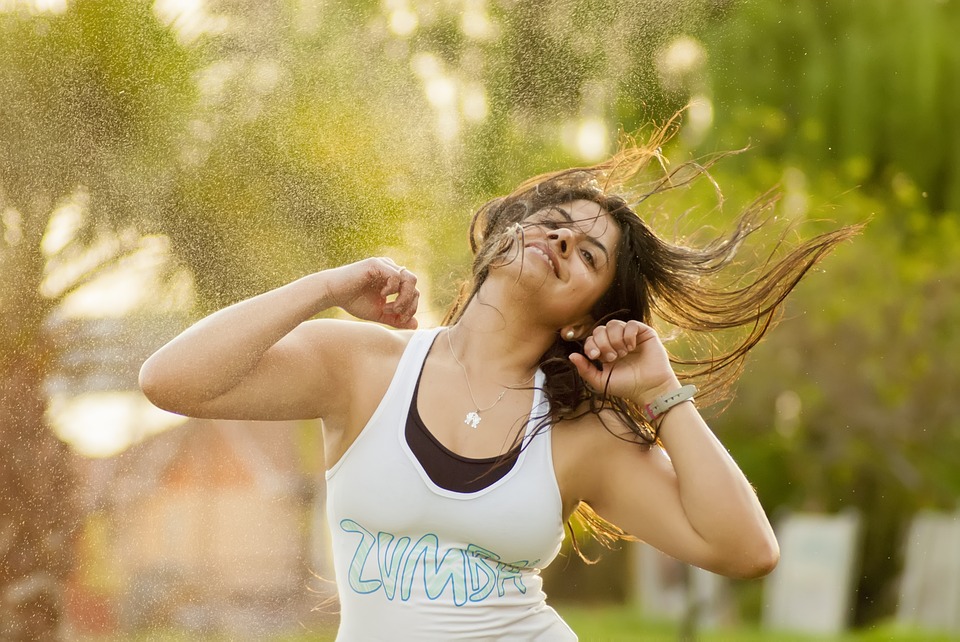
Dance combines music, movement, and concentration to offer an enjoyable way to manage everyday pressures.
The Brazilian love for dance may offer more health benefits than many people realize. Dancing samba or carimbó is not just a fun way to celebrate Brazilian culture; it can also be a way to manage stress and support emotional well-being. Several studies have explored the relationship between dance and stress relief, suggesting that movement, music, and self-expression can contribute to a healthier lifestyle. While there are plenty of other ways to keep stress levels under control, including yoga and tai chi, why not dance your stress away while having fun?
Research into the relationship between dance and the brain, including work associated with Harvard Medical School’s Department of Neurobiology, has explored how music and movement engage different brain systems. Music stimulates the brain, while dancing activates sensory and motor circuits throughout the body. These combined experiences help explain why dance can be an enjoyable form of physical activity that encourages focus, emotional expression, and relaxation. With that in mind, dancing may become one way to manage everyday stress and regain a sense of control over your routine.
1. Dancing Helps Refocus Your Mind
When chronic stress begins to interfere with your ability to live normally, everyday responsibilities can feel overwhelming. You may find yourself constantly anxious, worrying about what comes next, or feeling exhausted simply from thinking about how to get through the day. When your attention remains fixed on stressful situations, finding activities that redirect your focus can make a difference.
Dancing offers an opportunity to shift your attention away from those worries and toward the present moment. Because it involves coordination, rhythm, and concentration, dance encourages your brain to focus on the music and your body’s movements rather than on stressful thoughts.
Learning to dance also takes practice. Your brain must process the rhythm, coordinate your movements, and, when choreography is involved, remember the steps. This combination of physical coordination and mental engagement can make dancing a rewarding activity for people looking to add a positive distraction to their daily routines.
2. Dance Can Help You Feel Better and Happier

Dance combines music, movement, and concentration to offer an enjoyable way to manage everyday pressures.
Physical movement is an important part of a healthy lifestyle, and exercise is often recommended as one component of stress management. Dancing combines physical activity with music and personal expression, making it an enjoyable alternative for people who may find conventional workouts less appealing.
Exercise can influence the body’s endorphin system and other processes associated with mood regulation. Dancing also engages emotional responses to music and movement, creating opportunities to express feelings that may be difficult to put into words. For people dealing with the pressures of work, family responsibilities, or life in a fast-paced environment, making time to dance can provide a welcome break and support a more positive mood.
You do not need to master complicated choreography or perform in front of an audience to enjoy these benefits. Dancing at home, joining a class, or moving to your favorite Brazilian songs can be simple ways to incorporate more activity and enjoyment into your day.
3. Dancing Can Boost Your Confidence
Stress can leave you feeling overwhelmed, helpless, and insecure. When pressure builds up, it can affect your emotional well-being and make it harder to feel confident about yourself or your ability to manage everyday challenges. Finding activities that help you reconnect with your body and abilities can be one way to rebuild that confidence.
Dancing can support self-esteem by encouraging self-awareness, coordination, and a sense of accomplishment. As you become more comfortable with the movements and gradually improve your skills, you may feel more confident in what your body can do. Dance can also offer a welcoming space for self-expression, allowing you to move freely without worrying about getting every step right.
The goal is not to become a professional dancer but to enjoy the process, recognize your progress, and feel more connected to yourself. Whether you prefer samba, carimbó, or another style, dancing can be a positive way to celebrate your individuality and Brazilian cultural roots while staying active.
Let the Music Move You

Learning movements and recognizing personal progress can help people feel more comfortable with their bodies and abilities.
Dancing is a form of physical activity and artistic expression that can bring together the mind, body, and emotions. By making room for music and movement in your routine, you can turn a simple activity into an enjoyable opportunity to take a break from everyday pressures.
Take advantage of the natural rhythm inside you and channel your energy into dancing. You do not have to wait until stress becomes overwhelming to make time for something you enjoy. Put on your favorite song, move at your own pace, and allow yourself to have fun.
Stress management is not about eliminating every challenge from your life; it is about finding healthy ways to respond to those challenges. Dancing can be one of those ways, helping you create moments of enjoyment, movement, and renewed confidence. Remember that you deserve time for yourself, too, so wiggle and twist your way toward a happier, more active routine.
If stress or anxiety is persistent, interferes with daily life, or feels difficult to manage, consider seeking guidance from a qualified health professional. Dancing can complement other healthy coping strategies, but it is not a substitute for professional care when it is needed.
*Jane Heather is a Soul Brasil magazine contributor and a professional freelancer writer.
FAQ — Frequently Asked Questions
1. Can dancing help relieve stress?
Dancing can help manage everyday stress by combining physical activity, music, concentration, and emotional expression. It can be a useful part of a broader stress-management routine.
2. What are the mental health benefits of dancing?
Dancing may support mood, self-expression, concentration, and self-confidence. Its effects vary from person to person, and it can complement other healthy habits and professional support when needed.
3. Does dancing release endorphins?
Physical activity can influence endorphin activity and other biological processes associated with mood. However, the exact response depends on factors such as the activity’s intensity, duration, and the individual.
4. Do you need dance experience to enjoy its benefits?
No. Beginners can dance at home, follow a simple routine, or join a beginner-friendly class. The goal is to enjoy movement and find an activity that suits your abilities and preferences.
5. Which Brazilian dances can you try to relieve stress?
Samba and carimbó are two Brazilian dance styles worth exploring. You can also try forró, axé, or other styles you enjoy. Choose a pace and level of movement that feels comfortable for you.