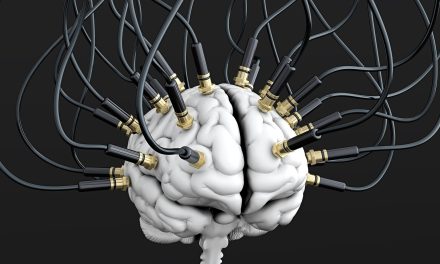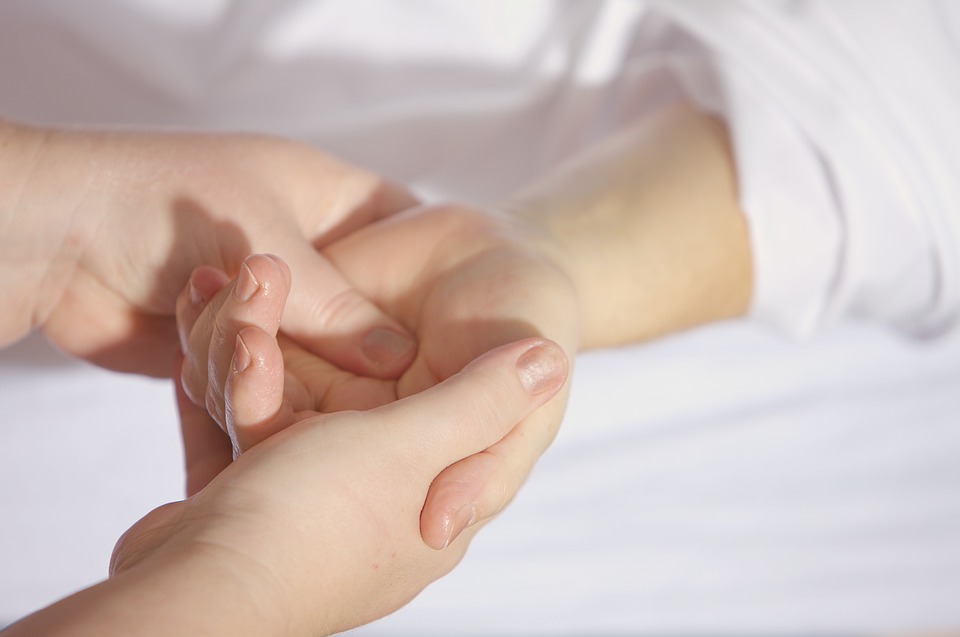
The connection between mind and body plays a powerful role in emotional and physical health. Drawing from the teachings of Wilhelm Reich, this article explores how stress, emotional repression, and modern lifestyles may contribute to illness—and why listening to your body is essential for well-being.
By Dra. Ira Esteves

The unconscious controls our lives.
Today, Reich’s psychotherapy is practiced worldwide, helping strengthen and improve people’s lives.
Wilhelm Reich is considered one of the pioneers of psychosomatic medicine, studying how emotional states can affect the physical body.
(It is important to note that Reich and Reiki are not the same. Reiki is an oriental healing therapy.)
Over the years in medical practice, lectures and workshops at the Institute Wilhelm Reich do Brasil in Rio de Janeiro helped shape therapies focused on:
- Depression
- Obesity
- Anorexia
- Bulimia
- Chronic fatigue
- Panic disorders
- Emotional dysfunctions
Freud, Psychoanalysis and the Unconscious Mind
During the twentieth century, studies about the relationship between mind and body expanded dramatically.
The creation of psychoanalysis by Sigmund Freud in 1892 transformed the understanding of human behavior.
One of the major discoveries was the idea that:
- The unconscious mind influences our lives
- Internal emotional processes organize our experiences
- Many feelings remain hidden until they reach consciousness
This opened a new path toward understanding emotional suffering and physical symptoms.
Wilhelm Reich and Bio-Energy
As an assistant and collaborator of Freud, Reich expanded psychoanalysis beyond the mind alone.
He connected:
- Psychoanalysis
- Physiology
- Emotional expression
- Body tension
From this work emerged the concept of bio-energy.
Reich believed that emotional repression and chronic tension could create what he described as organic contractions, eventually contributing to illness.
The Language of the Body
According to this perspective:
- Words are the language of the conscious mind
- Movement is the language of the body
Human beings are shaped by:
- Experiences
- Family influences
- Cultural backgrounds
- Social conditioning
- Personal beliefs and goals
Emotionally and biologically, mind and body function as a single system.
Why Modern Life Creates Emotional Exhaustion
Many people live disconnected from their emotions, often ignoring stress, anxiety, or emotional pain until physical symptoms appear.
Modern life has intensified this process through:
- Constant pressure
- Political and economic instability
- Technology overload
- Poor eating habits
- Pollution
- Toxic substances
- Reduced physical activity
- Nervous system tension
The article suggests that people are conditioned to suppress emotions rather than process them.
When the Body Sends Warning Signs
When we are emotionally sick, the vital energy gets blocked.
According to Reichian thought, unresolved emotional stress may eventually manifest physically.
Examples mentioned include:
- Chronic fatigue
- Headaches
- Anxiety
- Emotional tension
- Digestive discomfort
The body may communicate emotional imbalance through physical symptoms.
The article asks an important question:
If only one person gets sick after the same meal, could emotional stress also play a role?
Integrative Therapies and Holistic Health
To address emotional and physical imbalance, traditional and complementary therapies have increasingly been combined.
Examples include:
- Homeopathy
- Aromatherapy
- Chromotherapy
- Therapeutic massage
- Acupuncture
Many of these approaches are recognized internationally, including by the World Health Organization.
Orthomolecular Therapy and Nutrition
In the 1970s, American scientist and Nobel Prize winner Linus Pauling helped popularize Orthomolecular Therapy.
This approach focuses on:
- Vitamins
- Minerals
- Amino acids
- Specialized diets
The goal is to support the body’s biochemical balance and overall well-being.
Healing Begins from Within
The central message of the article is simple:
When emotional health deteriorates, vital energy becomes blocked.
The search for balance should involve:
- Emotional awareness
- Physical care
- Healthy habits
- Self-observation
- Mind-body integration
Ultimately, healing begins internally.
“We should fight for the equilibrium of our lives, always remembering that the cure comes from within.”
FAQ – Frequently Asked Questions
1. Who was Wilhelm Reich?
Wilhelm Reich was a psychoanalyst who expanded Freud’s ideas by studying the connection between emotions and physical health.
2. What is psychosomatic health?
Psychosomatic health refers to the relationship between emotional states and physical symptoms in the body.
3. What is bio-energy according to Reich?
Reich described bio-energy as the natural life energy connected to emotional and physical well-being.
4. Can emotional stress cause physical symptoms?
Stress and emotional tension may contribute to symptoms such as headaches, fatigue, digestive issues, and anxiety.
5. What are integrative therapies?
Integrative therapies combine traditional medicine with complementary approaches such as acupuncture, massage, aromatherapy, and nutritional therapies.