Body painting is one of humanity’s oldest artistic expressions, deeply rooted in Indigenous traditions of the Amazon rainforest. Discover how Amazon tribes use colors, symbols, and nature-inspired designs to tell stories, express identity, and inspire contemporary body art around the world.
By Carmem Gusmão / Translation: Gerald Chaves
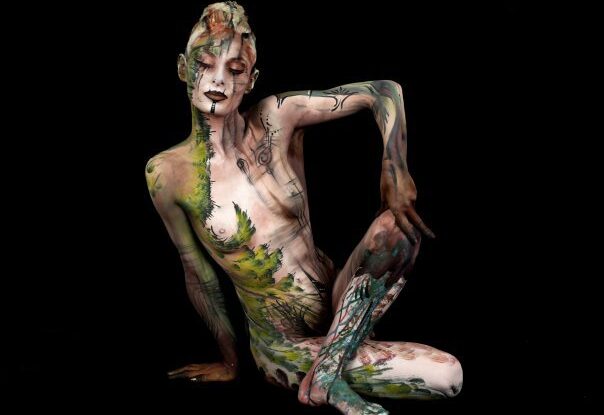
The human body was humanity’s first canvas, long before paper or stone became mediums for artistic expression
The human body was the first canvas ever used for artistic expression. Our ancestors quickly realized that skin became more beautiful, meaningful, and attractive when adorned with colors, symbols, and patterns.
My passion for ancient cultures and Mother Nature has been a major source of inspiration throughout my artistic journey. I lived in Belém, near the Amazon rainforest, for ten years and had the opportunity to witness firsthand one of the most fascinating expressions of Indigenous art: body painting.
The Artistic Language of the Amazon Tribes
For many Amazonian tribes, body painting serves as much more than decoration—it is a visual language.
Among the Kayapó people, body paint functions almost like clothing. The lines, shapes, and colors painted on the skin communicate important information, such as a person’s age, family lineage, social role, and tribal identity.
These artistic designs can also represent stories, traditions, and cultural histories passed down through generations.
The colors used in the paintings come directly from nature:
- Paprika seeds create red pigments;
- Genipap fruit produces blue and black tones;
- Limestone is used to create white paint.
Spiritual Symbols Inspired by Nature
Body painting is not exclusively ritualistic. It is also worn as an expression of beauty, identity, and spirituality.
The designs often carry spiritual meanings connected to nature and ancestral beliefs. Many patterns were traditionally passed down by the “IDJASO”, a term that roughly translates to the spirits of good and evil.
The symbols frequently represent:
- Animals from the rainforest;
- River creatures;
- Plants and natural elements;
- Spiritual forces connected to tribal traditions.
Different designs are applied according to gender, social status, and ceremonial occasions within the community.
Witnessing this process up close was truly extraordinary.
A Living Work of Art
One detail that particularly fascinated me was the painting technique itself.
The artists use a Brazilian buriti stick as a brush, creating delicate and intricate patterns with remarkable precision.
Watching the process felt almost magical. The painted body becomes a living masterpiece—one that talks, smiles, moves, and expresses emotion.
It is like stepping into a surreal work of art where nature, culture, and human creativity blend seamlessly together.
From Ancient Traditions to Modern Body Painting
For many years, body painting outside Indigenous communities was largely limited to cosmetics and facial makeup.
Today, however, Body Painting has evolved into a respected contemporary art form that seeks to recreate the transformative power and symbolic beauty of ancient traditions.
Modern artists now have access to a wide range of materials and techniques, including:
- Henna designs;
- Airbrush painting;
- Acrylic body paints;
- Special effects body art.
Although the tools have become more sophisticated, the inspiration remains the same: humanity’s ancient desire to transform the body into a canvas for artistic expression.
The Legacy of Indigenous Art
Modern body painting owes much of its inspiration to Indigenous cultures that have preserved these traditions for centuries.
What began as a sacred practice connected to identity, spirituality, and nature continues to inspire artists around the world today.
Body painting serves as a powerful reminder that art can exist beyond galleries and museums—it can live, move, and breathe through the human body itself.
*Carmem Gusmao was born in the state of Minas Gerais, Brazil but grew up in the state of Amazon in the heart of the rainforest. The artist and entrepreneur has received several awards and recognitions since 1988. She lives in California and has lived in Florida www.carmemgusmao.com
Frequently Asked Questions (FAQ)
1. What is the origin of body painting?
ody painting is one of humanity’s oldest art forms, dating back thousands of years and practiced by ancient cultures worldwide.
2. Why do Amazon tribes use body painting?
Body painting is used to express identity, social status, spirituality, cultural traditions, and aesthetic beauty.
3. What natural materials are used to create Indigenous body paints?
Common materials include genipap fruit, paprika seeds, charcoal, clay, and limestone.
4. Is body painting only used for rituals?
No. While many designs have ceremonial significance, body painting is also used for beauty, social identification, and artistic expression.
5. How has Indigenous body painting influenced modern art?
Contemporary body painting techniques, festivals, and artistic movements draw significant inspiration from Indigenous traditions and symbolism.