Rio de Janeiro is a city where natural beauty, culture, and emotion intertwine. From iconic beaches and mountains to samba, Carnival, and vibrant neighborhoods, the Wonderful City offers unforgettable experiences year-round. Blessed by nature and history, Rio captivates visitors with its contagious spirit and breathtaking landscapes.
By Livia Caroline Neves | Translation: Magali DaSilva

Aerial view of Arpoador and Copacabana beach
“Cristo Redentor, open arms on Guanabara, this samba is just because, Rio I love you, the brunette will dance the samba…”. “From Tom to Vinícius, from Cinelândia to Arpoador, from the Mangueira to the Sugar Loar, from Copacabana to the Dois Irmãos…”.
If one word could describe a carioca, it would be happiness. To be in Rio is to fall in love — with the city, with the sea, with the people passing by on their way to the beach.
To feel Rio is to drink a cold beer by the ocean, to use Christ the Redeemer as both compass and refuge, to visit Maracanã, and to dance samba on Sapucaí Street. Passion is in the air. Proud to be carioca, the author confesses: the city fascinates, seduces, and becomes more missed with every mile of distance.
Between Mountains and the Sea
Nestled between mountains and the Atlantic Ocean, Rio de Janeiro is one of the most geographically unique cities in the world — and undoubtedly Brazil’s most internationally recognized destination.
Anyone with even minimal knowledge of Brazil instinctively associates the country with the Wonderful City. Its landscape ranges from iconic beaches like Arpoador, Ipanema, and Copacabana, to dramatic landmarks such as Corcovado and Sugar Loaf.
Ipanema, Leblon, and the Carioca Way of Life
Ipanema and Leblon are synonymous with glamour, charm, and nightlife, best experienced on foot. Walking these neighborhoods reveals daily carioca life, immortalized in the songs of Tom Jobim and Vinícius de Moraes.
Must-see attractions include:
-
Laura Alvim Cultural Center, with theater and exhibitions
-
Hippie Fair at General Osório Park (Sundays), featuring naïf art, handicrafts, leather goods, and musical instruments
-
Girl from Ipanema Park (Arpoador), offering free music concerts on Sundays
-
Daily encounters with local surfers, drawn by perfectly shaped waves
From Copacabana to São Conrado
Along Leme and Copacabana beaches, visitors will find a 4.1 km bike lane, footvolley and beach volleyball players, and free yoga and tai chi classes right by the sea.
At São Conrado Beach, hang gliders land gracefully after flying from Pedra da Gávea. For those seeking adventure, the hike up Pedra da Gávea offers moments of pure adrenaline and breathtaking views.
Heading west, the coast reveals Barra da Tijuca and Recreio dos Bandeirantes, followed by more preserved beaches such as Prainha, Grumari, Barra de Guaratiba, and Sepetiba — echoes of Rio as it was 500 years ago.
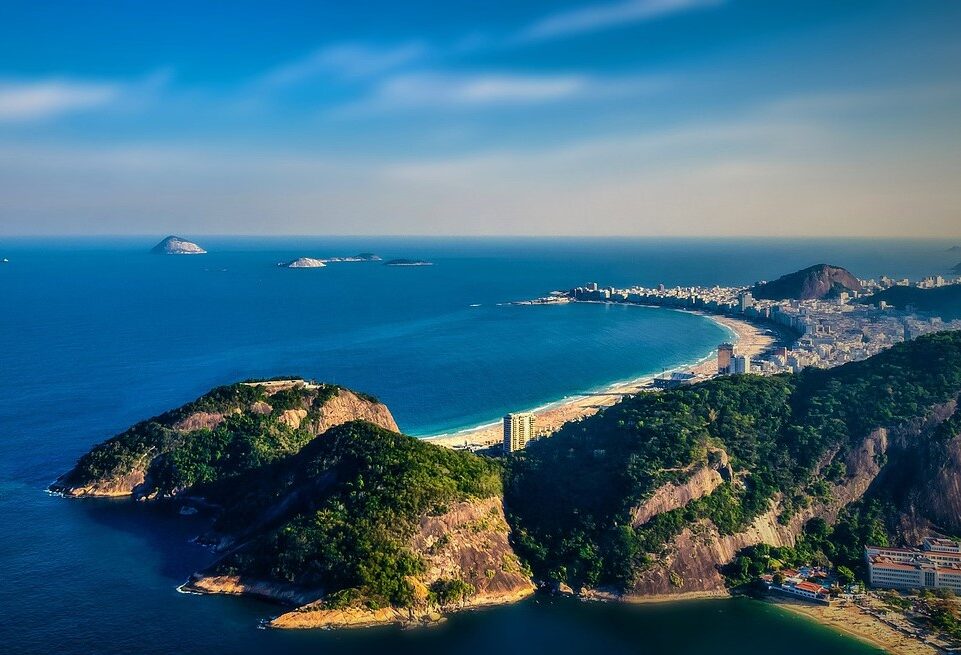
The Wonderful City is as much a feeling as a destination.
Nature in the Heart of the City
The Tijuca Forest, the largest urban forest in the world, was fully reforested in the late 19th century. Its cinematic scenery has appeared in countless films and TV shows and offers a stunning aerial view upon arrival in Rio.
Landing in the city, the curves of Guanabara Bay and the silhouette of Sugar Loaf form one of the most beautiful urban entrances in the world.
Culture, Music, and Memory
Rio remains one of Brazil’s main cultural centers — the cradle of samba, choro, and bossa nova. The carioca’s cheerful, communicative spirit is shaped by poetry, music, and privileged geography.
Those interested in indigenous culture should visit the Indian Museum in Botafogo, which preserves artifacts, documents, and authentic native houses. Nearby, the Folklore Museum Edson Carneiro, next to the Republic Museum in Catete, showcases Brazil’s popular traditions.
Beyond the Postcard Image
Alongside its postcard beauty, Rio also reveals another reality in its hills — marked by poverty but also by the birth of Carnival, the country’s largest popular celebration, where rich and poor, locals and visitors, unite in the same avenue.
New Year’s Eve: A Celebration Like No Other
Rio hosts one of the largest New Year’s Eve celebrations in the world. On December 31, over 3 million people gather on Copacabana Beach.
Fireworks explode for more than 25 minutes, while crowds dressed in white celebrate peace and hope. Music stages line the sand, access to cars is restricted, and joy takes over the city. The entire event is free, drawing visitors from all corners of the globe.
Escape, Adventure, and Serenity
For those seeking peace or closeness to nature, Rio delivers. The Tijuca National Park offers rainforest trails, waterfalls, wildlife, and even rock climbing walls — an urban safari experience.
West of the city, the Mendanha Mountain Range features an extinct volcano. Nearby destinations include:
-
Ilha Grande, with crystal-clear waters and lush greenery
-
Búzios, blending sophistication, simplicity, and water sports
In the mountains of Nova Friburgo, villages like Lumiar and São Pedro da Serra offer waterfalls, rivers, and cozy inns — perfect for romantic getaways. Highlights include Toca da Onça and the Andorinhas waterfall, where swallows gather in summer.
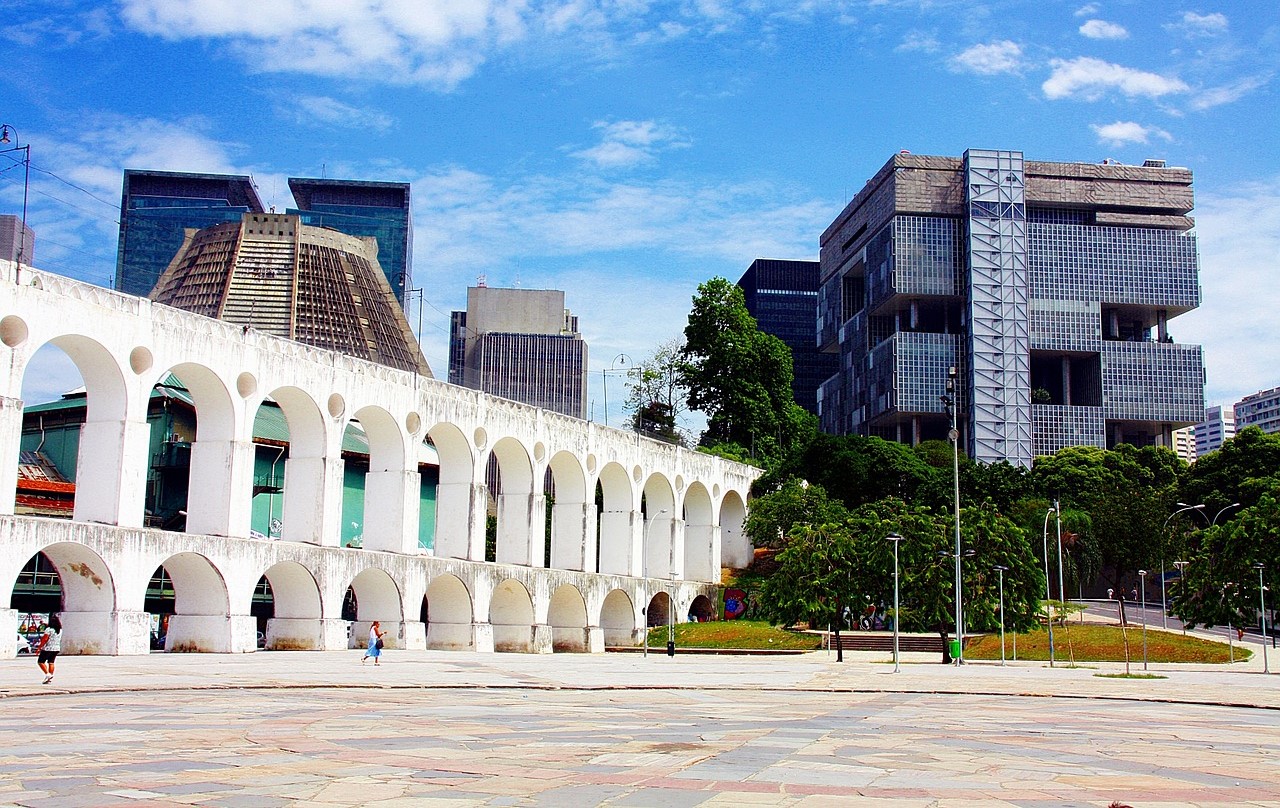
“Arcos da Lapa” is part of the city where there is an effervescent nightlife!
A City That Must Be Felt
Blessed by Christ the Redeemer, naturally beautiful, and unforgettable to all who visit, Rio de Janeiro fulfills its destiny as the Wonderful City.
To truly understand its meaning, one must go, live, and feel the contagious carioca spirit.
Go. Discover Rio. You will love it.
* For airline tickets from the U.S to Brazil or Latin America, customized travel packages, hotels and cruises, please visit our travel agent page or contact Magali Da Silva by phone or whatsapp: 1 (323) 428-1963.
FAQ – Frequently Asked Questions
1. Why is Rio de Janeiro called the Wonderful City?
Because of its unique blend of natural beauty, culture, and vibrant lifestyle.
2. What are the must-see beaches in Rio?
Copacabana, Ipanema, Arpoador, Leblon, and Prainha.
3. Is Rio worth visiting beyond Carnival?
Absolutely. Nature, culture, music, and outdoor activities are available year-round.
4. What makes Rio unique among world cities?
Its geography — mountains, forest, and ocean within an urban setting.
5. Is Rio suitable for nature lovers?
Yes. The Tijuca Forest and surrounding regions offer rainforest experiences inside the city.