
Traveling with pets can be either a joyful or stressful experience, depending on preparation and your pet’s personality. Understanding transportation options, safety measures, and comfort strategies is key to ensuring a smooth journey for both you and your furry companion.
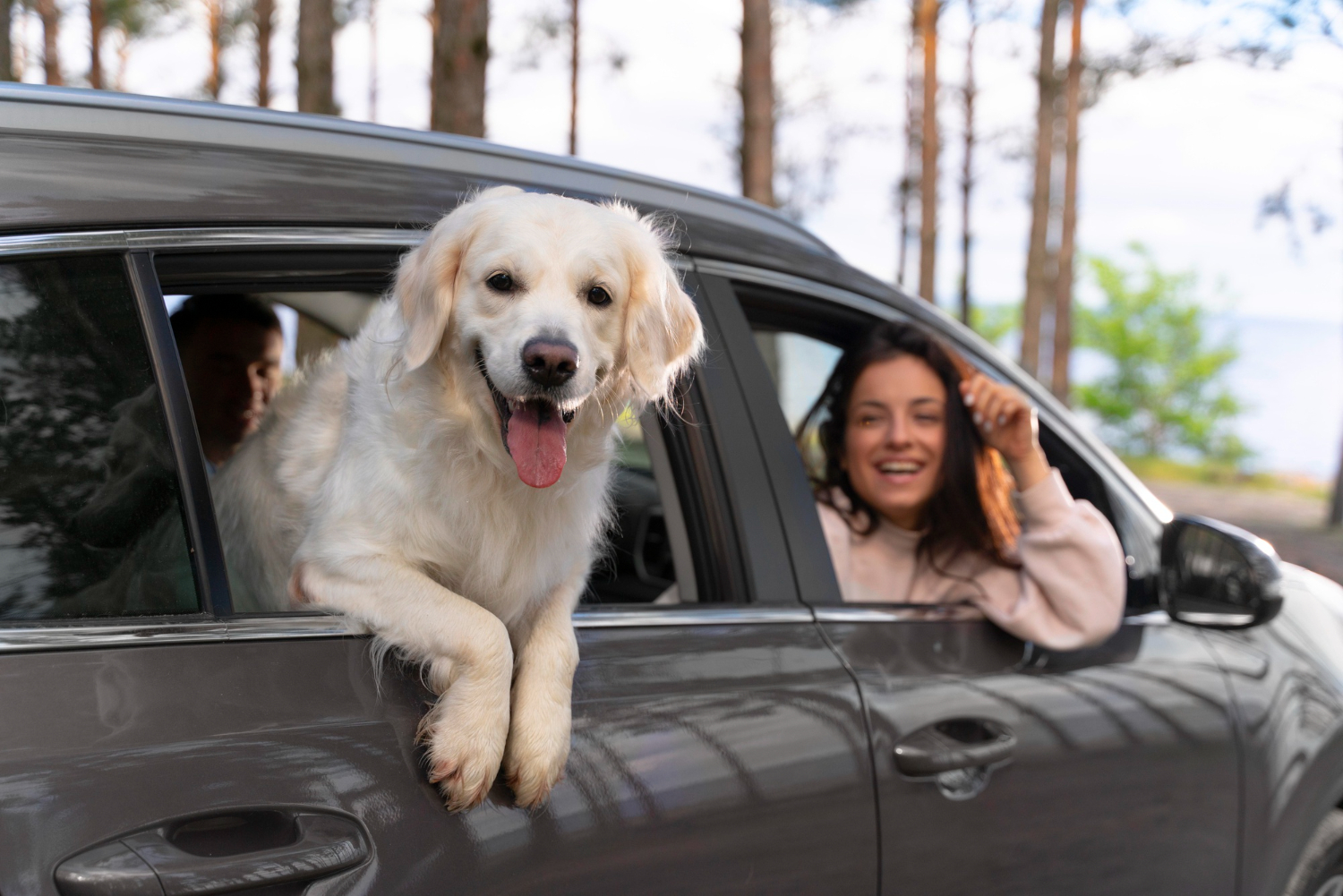
Understanding your pet’s personality and past travel experiences is crucial.
Some pets love to travel, while others feel anxious and uncomfortable. Traveling can be stressful for both animals and their owners, so it’s important to understand your pet’s behavior before making plans.
If you have traveled with your pet before, you may already know how they react:
- Do they enjoy new environments?
- Are they scared or apprehensive in unfamiliar situations?
- Do they handle car rides better than flights?
Whenever possible, choose a travel method that will minimize stress and discomfort.
What Form of Travel Is Best for Your Pet?
Choosing the right transportation is essential.
If your pet had a bad experience in an airplane, for example, it may be best to avoid flying again. On the other hand, if they enjoy car journeys, that might be the safest and most comfortable option.
The key is to prioritize your pet’s emotional wellbeing and safety over convenience.
Where Exactly Will Your Pet Travel?
If you are not traveling in your own vehicle, gather detailed information beforehand.
- Will your pet travel with you in the cabin, or in a separate area?
- Will they be placed with luggage, or in a designated pet-safe compartment?
- Are there environmental factors like temperature control?
For example, some train baggage cars may be heated but not air-conditioned, which can limit when it’s safe to travel.
Handling Before and After the Trip
It’s crucial to understand how your pet will be treated throughout the journey.
Ask questions such as:
- Are staff members trained to handle animals?
- Is your pet’s comfort and safety a priority?
- What procedures are in place during boarding and unloading?
Even when rules exist, they are not always strictly followed, so verifying the company’s practices is essential.
Safety Measures You Should Check
A responsible company should take clear steps to ensure animal safety, such as:
- Monitoring areas with security cameras
- Ensuring pets are handled gently and respectfully
- Supervising the loading and unloading process
Your pet should never be treated like luggage.

Always verify safety measures and handling procedures.
Reviews and Recommendations Matter
Before choosing a company or transport method, look for online reviews and recommendations.
- Are the reviews mostly positive or negative?
- Do customers report good treatment of animals?
Be cautious: some platforms may have edited or biased reviews, so cross-check information when possible.
How to Comfort Your Pet During Travel
There are simple but effective ways to reduce your pet’s anxiety:
- Include their favorite toy or blanket
- Place a t-shirt with your scent inside the carrier
- Ensure they are well-fed and hydrated
- Maintain a sense of familiarity and routine
These small actions can make a big difference in your pet’s comfort level.
Final Thoughts
Traveling with pets requires planning, research, and empathy. By understanding your pet’s needs and carefully choosing transportation, you can make the journey safer and more enjoyable for your beloved companion.
FAQ – Frequently Asked Questions
1. Is it safe for pets to travel by airplane?
Yes, but only if the airline follows strict safety and handling protocols.
2. What is the best way to travel with a nervous pet?
Typically, car travel is less stressful, along with comfort items and familiar smells.
3. Can pets travel in the cabin with owners?
It depends on the airline and the pet’s size—many allow small pets in carriers.
4. How can I reduce my pet’s anxiety during travel?
Use toys, familiar scents, proper feeding, and hydration to keep them calm.
5. Should I sedate my pet before traveling?
Only under veterinary guidance, as sedation can pose risks.