Brazilian immigrants who choose to live abroad often form close-knit communities that help preserve and promote their homeland’s vibrant culture. In the United States, official data is limited, but Brazil’s Ministry of Foreign Affairs estimates there are currently between 1 million and 1.4 million Brazilians living in the country.
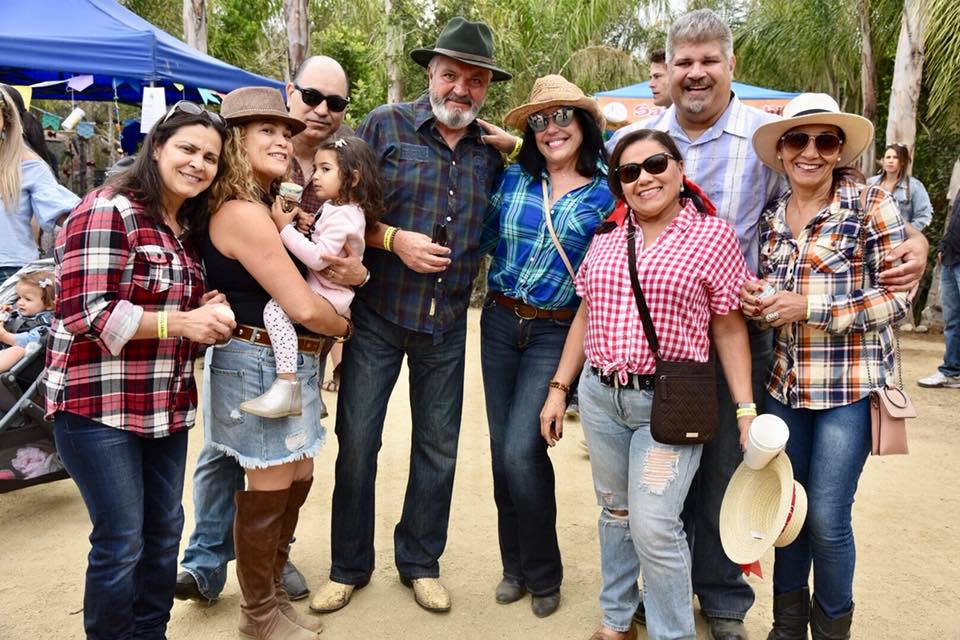
Brazilians at “Festa Junina” that celebrates in June and organized by the Brazilian community in California. Photo: Claudia Passos
In Georgia, Brazilian immigrants—particularly those from the state of Goiás—maintain strong cultural ties. In Marietta, a city within the Atlanta metropolitan area, many Brazilian businesses proudly bear the name “Goianão,” reflecting their regional roots. On a single commercial block, visitors can find Goianão Bakery, Goianão Supermarket, and Goianão Restaurant.
Even traditional Brazilian foods make their way into the American culinary scene. A classic treat, especially popular during Brazil’s June festivals, the pamonha (made from fresh corn), is offered in local Brazilian restaurants under the name “Brazilian tamal,” making it more relatable to customers familiar with Mexican or Central American cuisine. Community-organized “pamonhada” events are frequently promoted on social media as a way to raise funds for local churches and social projects.
Religious institutions also play a key role in immigrant support. Evangelical churches and a strong Catholic presence offer spaces of belonging.
“Churches play a vital role in welcoming immigrants,” says Hermano Telles Ribeiro, Brazil’s Consul in Atlanta.
Pride and Identity in Everyday Life
Across the U.S., Brazilian Americans act as cultural ambassadors.
James Thomaz, a 45-year-old American attending one of the community’s cultural events, shared:
“I love how you all grill meat. I came last year and had to come back.”
Another prominent voice is Lucia Moraes Jennings, originally from Rio de Janeiro. She moved to the U.S. in 1975 to attend college in Georgia. Although married to an American, she never lost her Brazilian identity.
In 1987, Lucia began working to promote Brazilian culture in Atlanta, even dressing up as Carmen Miranda for school presentations—though she aimed to challenge common stereotypes:
“I never liked how Brazil is only associated with soccer, Carnival, and sensuality,” she told Agência Brasil.
By 1996, Lucia shifted focus to economic promotion and co-founded the Brazil-U.S. Southeast Chamber of Commerce, building business bridges between the two nations. Now an executive at Coca-Cola, she supports Brazilian companies entering the U.S. market:
“Our goal is to break myths and highlight Brazil’s real potential.”

Brazilian Day in NYC is considered the largest outdoor community event in the state of NY.
After four decades in the U.S., Lucia says her Brazilian identity has only grown stronger:
“In many ways, I feel like a cultural ambassador. In 2016, I was honored to speak before new immigrants receiving their U.S. Green Cards at the Supreme Court. It was a proud moment, sharing the values of Brazilian citizenship.”
Empowering Brazilian Women in Boston
In the Northeastern U.S., Heloísa Galvão, journalist and anthropologist from Ilha Grande, has made her mark in Boston. Arriving in 1988 for a master’s program, she decided to stay. In 1995, she co-founded the Brazilian Women’s Group in Boston, a nonprofit supporting immigrants and promoting Brazilian culture.
“Our first mission is to inform. Information is empowerment. When you know your rights, you overcome fear,” says Heloísa, who works closely with undocumented immigrants.
Every September, the group organizes the Brazilian Independence Festival, one of the largest Brazilian community festivals in the U.S.
Final Thoughts: A Legacy That Crosses Borders
Brazilian communities across the United States continue to grow and evolve, proving that identity doesn’t fade with distance—it adapts, persists, and thrives. Through business, cuisine, music, or social advocacy, Brazilian immigrants preserve their heritage while enriching American society. Their stories show that culture becomes a powerful bridge between nations and generations.
FAQ – Frequently Asked Questions
1. How many Brazilians live in the United States?
Estimates from Brazil’s Ministry of Foreign Affairs suggest 1–1.4 million Brazilians currently reside in the U.S.
2. What are common Brazilian cultural events in the U.S.?
Popular events include Festa Junina, pamonhada events, Brazilian Independence Festival, and Brazilian Day in NYC.
3. How do Brazilian immigrants preserve their culture?
Through food, music, dance, religion, community organizations, and business initiatives.
4. Are there Brazilian organizations supporting women immigrants?
Yes. The Brazilian Women’s Group in Boston provides guidance, empowerment, and cultural events for Brazilian women.
5. Can non-Brazilians attend Brazilian cultural events in the U.S.?
Absolutely. These events are open to the public and aim to share Brazilian culture with the wider American community.