From historic dining rooms in Brazil to beloved eateries in the United States, several Brazilian restaurants have built legacies lasting decades—or even centuries. Their longevity reflects not only great cuisine but also tradition, hospitality, and cultural identity that continues to attract generations of diners.
By Lindenberg Junior
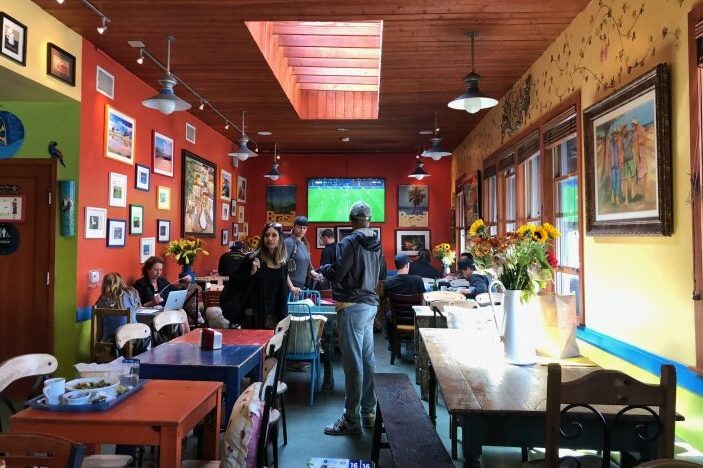
Interior of Café Brasil 2 in Los Angeles, located on Washington Blvd in Culver City.
After consulting restaurateurs in both Los Angeles and São Paulo—combined with decades of experience in marketing and media—it becomes clear that any restaurant that survives more than 15 years has already achieved a remarkable level of excellence. But what about establishments that endure for 50, 100, or even 150 years?
Longevity in the restaurant industry depends on more than great food. While cuisine is essential—though not necessarily expensive—the secret to lasting success often includes four key ingredients: a welcoming atmosphere, attentive service, a loyal customer base, and authentic marketing rooted in tradition. Together, these elements create dining experiences that resonate across generations.
Iconic Restaurants in Brazil: Centuries of Flavor
- 1. Café Lamas (Founded 1874)
Located in the Flamengo neighborhood of Rio de Janeiro, this historic restaurant is often described as a living time capsule. For decades, it has welcomed politicians, artists, intellectuals, and journalists.
Even in 2025, Café Lamas remains a cultural landmark known for its traditional service, classic menu, and preserved historic atmosphere.
- 2. Restaurante Leite (Founded 1882)
Recognized as Brazil’s oldest operating restaurant, this iconic establishment in Recife blends aristocratic elegance with traditional cuisine.
Throughout its history, the restaurant has served numerous notable figures and helped popularize classic dishes such as bacalhau and cartola, a traditional Pernambuco dessert.
Despite a lengthy legal dispute among members of the founding family, Restaurante Leite continues operating, preserving its historic legacy.
- 3. Gambrinus (Founded 1889)
Located inside the famous Mercado Público de Porto Alegre in Porto Alegre, Gambrinus is the city’s oldest restaurant.
Known for dishes such as bacalhau à Gomes de Sá, the restaurant has survived more than 120 years of history. After temporarily closing due to severe flooding, it reopened in 2024, reaffirming its resilience and cultural significance.
- 4. Cantina Carlino (Founded 1881)
Located in the Vila Buarque neighborhood of São Paulo, Cantina Carlino offers Italian-influenced cuisine that has remained popular for generations.
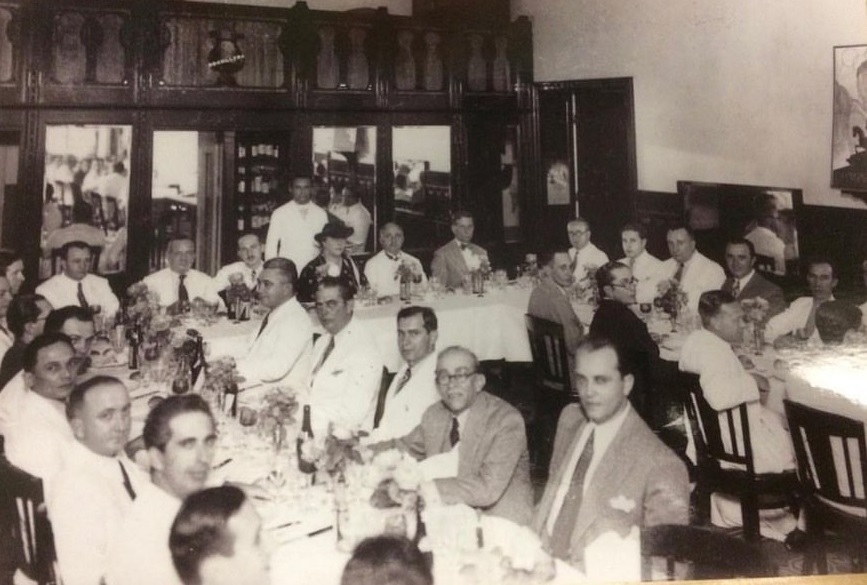
Leite Restaurant, in Recife
Its longevity is often attributed to a combination of welcoming atmosphere, attentive service, and accessible prices, making it a favorite among locals and visitors alike.
Pioneering Brazilian Cuisine in the United States
- Via Brasil (Opened 1978)
Situated in Manhattan near the historic Brazilian district known as Little Brazil, Via Brasil has long been celebrated for its churrasco, feijoada, and moqueca.
Even decades after opening, diners continue to praise the restaurant’s consistent quality and vibrant Brazilian atmosphere.
- Café Brasil (Opened 1991)
Once a well-known restaurant on Venice Boulevard in Los Angeles, Café Brasil closed that location in late 2024. However, another location continues operating on Washington Boulevard in Culver City, preserving the flavors and ambiance that made it beloved among locals.
- By Brazil Restaurant (Opened 1991)
Located in the South Bay area of Torrance, By Brazil is known for classic Brazilian barbecue and traditional dishes.
Its grill specialties and authentic flavors have helped establish it as a longstanding presence in the Brazilian culinary scene in Southern California.
- Pampas Grill (Opened 2002)
A popular destination at the historic Original Farmers Market, Pampas Grill introduced many Angelenos to the Brazilian “food-by-the-pound” dining concept.
The restaurant later expanded with another location in Culver City, further strengthening its influence.
- Zabumba Restaurant (Opened 1994 – Closed)
Zabumba once became famous during the 1994 FIFA World Cup, attracting Brazilian celebrities and fans celebrating the national team.
Sadly, the restaurant eventually closed after the tragic death of its owner in Cancún, Mexico.
More Than Restaurants: Living Culinary History
The stories of these establishments—from the bustling streets of São Paulo and the seaside charm of Recife to the cultural hubs of Porto Alegre, Los Angeles, and New York City—demonstrate that food is far more than what appears on a plate.
Restaurants that endure for decades become centers of memory, tradition, and community. They survive shifting culinary trends, economic challenges, and changing cities by remaining faithful to their roots while evolving just enough to stay relevant.
In 2025, these establishments are not merely places to eat. They function as living museums of flavor, where recipes are passed down like family heirlooms and each dish carries the stories of generations.
Whether sitting in the historic dining room of Café Lamas or enjoying churrasco at Via Brasil, diners experience a taste of Brazilian culinary heritage that continues to shape the global food scene.

Barbecue grill at By Brazil in Torrance
FAQ – Frequently Asked Questions
What makes a restaurant last for decades?
Longevity typically depends on consistent quality, strong customer relationships, excellent service, and the ability to adapt while maintaining tradition.
Which is the oldest restaurant in Brazil?
Restaurante Leite, founded in 1882, is widely recognized as the oldest operating restaurant in the country.
Are there historic Brazilian restaurants in the United States?
Yes. Restaurants such as Via Brasil and Pampas Grill helped introduce Brazilian cuisine to American diners decades ago.
Why are these restaurants culturally important?
They preserve culinary traditions, regional recipes, and immigrant stories, connecting communities across generations and countries.