Regular exercise can improve different aspects of physical fitness, including cardiovascular endurance, muscular strength, muscular endurance and flexibility. Brazilian fitness trainer Katia Vaz explains how to distinguish moderate from vigorous exercise and how different activities can support fitness goals.
By Lindenberg Junior | Contribution: Katia Vaz

Essential fitness components including cardio endurance, muscular strength, endurance and flexibility
Exercise is any particular form of physical activity, and it can play an important role in self-esteem, body image and overall well-being. While it is possible to maintain a slim body without exercising, including regular physical activity in your lifestyle can provide important health and fitness benefits.
We talked to Brazilian professional dancer and personal trainer Katia Vaz about moderate and vigorous exercise and the different elements that can help people work toward their fitness goals. Below, Katia shares important information about exercise intensity, cardiovascular endurance, muscular strength, muscular endurance and flexibility.
Moderate vs. Vigorous Exercise: What Is the Difference?
How can you tell if an activity is considered moderate or vigorous in intensity?
According to Katia Vaz, one simple way to understand the difference is by paying attention to your ability to talk while exercising. If you are able to talk while performing the activity, it is moderate. If you have to stop to catch your breath after saying only a couple of words, it is vigorous.
The same activity can also have different intensity levels depending on how it is performed and on your fitness level.
For example, depending upon your fitness level, a game of doubles tennis would likely be moderate in intensity, while a singles game could be more vigorous. Ballroom dancing would generally be moderate, while aerobic dance could be considered vigorous.
Once again, it is not simply your choice of activity that determines its intensity, but how much effort the activity demands.
Four Important Components of Physical Fitness
Ideally, an exercise program should include elements designed to improve several different components of fitness.
1. Cardiorespiratory Endurance
Improve your cardiorespiratory endurance — your ability to engage in aerobic activities — through exercises such as brisk walking, jogging, running, cycling, swimming, jumping rope, rowing or cross-country skiing.
As you reach your distance or intensity goals, gradually increase the challenge or switch to a different activity to continue challenging yourself.
2. Muscular Strength
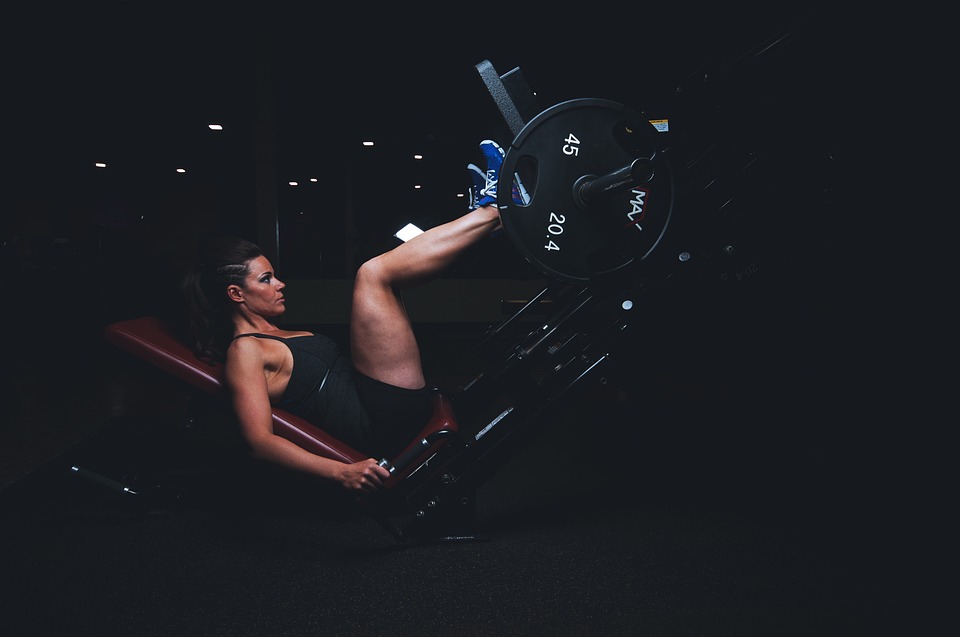
Muscular strength can be improved through resistance training, including lifting weights.
You can use free weights such as barbells and dumbbells or weight-training machines to work on muscular strength.
3. Muscular Endurance
Improve muscular endurance through calisthenics, weight training and activities such as running or swimming.
These exercises can help your muscles perform physical activities for longer periods of time.
4. Flexibility
Work on improving your flexibility through stretching exercises incorporated into your workout routine.
You can also choose activities such as yoga or Pilates, which include stretching and flexibility exercises as part of their practice.
Why Include Exercise in Your Daily Life?
Although it is possible to address many fitness factors simply by maintaining an active lifestyle, a structured exercise program can help you work toward more specific fitness goals.
Increasing the amount of physical activity in your daily life is also a great place to begin.
Simple changes can make a difference. For example, try parking a couple of blocks away from your destination to add some walking to your day.
However, to work toward more demanding fitness goals, you may need to incorporate structured and vigorous activities into your schedule.
The key is to choose activities that are appropriate for your fitness level and to gradually increase the challenge as you become more comfortable with your routine.
Fitness, Confidence and Body Image
Exercise is often associated with physical appearance, but its role can extend beyond the way the body looks. Regular physical activity can also become part of a broader lifestyle focused on health, confidence and well-being.
For Brazilians living in the United States, fitness can also be a way to maintain connections with Brazilian approaches to dance, movement and an active lifestyle. Brazilian professional dancer and trainer Katia Vaz is one example of how dance and fitness can come together as part of a professional career.
About Katia Vaz
Katia Vaz is a fitness trainer, posture expert, dance instructor and professional samba dancer.
Her work combines fitness, dance and movement. Soul Brasil has also featured her career and lifestyle, including her background in dance, fitness and life in Los Angeles.
*Katia Vaz is a fitness trainer, posture expert, dance instructor and a professional samba dancer – www.riohotfitness.com
FAQ – Frequently Asked Questions
1. What is the difference between moderate and vigorous exercise?
One way to distinguish them is through the talk test. If you can talk while exercising, the activity is generally moderate. If you need to stop to catch your breath after only a few words, it is more vigorous.
2. What are the main components of physical fitness?
This article highlights four components: cardiorespiratory endurance, muscular strength, muscular endurance and flexibility.
3. What exercises can improve cardiorespiratory endurance?
Activities such as brisk walking, jogging, running, cycling, swimming, jumping rope, rowing and cross-country skiing can be used to improve aerobic endurance.
4. How can I improve muscular strength and endurance?
Resistance training with free weights or machines can help develop muscular strength, while calisthenics, weight training, running and swimming can help improve muscular endurance.
5. Can everyday activities contribute to a more active lifestyle?
Yes. Simple changes, such as parking farther away from your destination and adding more walking to your day, can increase daily physical activity. A structured exercise routine can then be used to work toward more specific fitness goals.