Brazilian capoeira master Bira Almeida, known worldwide as Mestre Acordeon, was honored by the City of Berkeley with an official day in his name. The recognition celebrates three decades of cultural impact in the United States and his role in transforming capoeira into a global symbol of Brazilian heritage.
By Lindenberg Junior
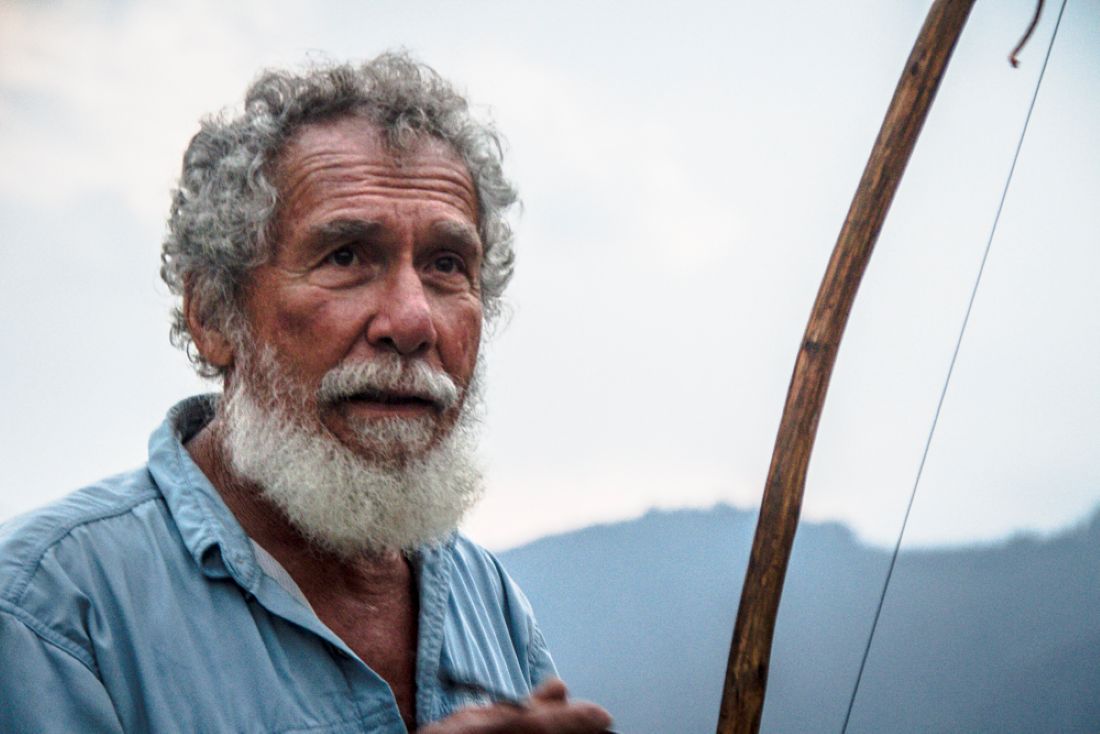
Berkeley officially proclaimed October 18 as Mestre Acordeon Day.
On Friday, October 10, 2008, I received an email from one of Mestre Acordeon’s students informing me that the mayor of Berkeley, Tom Bates, would officially declare October 18 as “Mestre Acordeon Day.”
Both the mayor and the City of Berkeley honored the world-renowned Brazilian Bira Almeida — Mestre Acordeon — for his 30 years of cultural contributions to the San Francisco Bay Area.
Coincidentally, that same October week marked his 30th anniversary teaching in the United States. I immediately contacted Ingrid Dries-Daffner and arranged this interview with the charismatic Brazilian cultural ambassador and living capoeira legend.
The Interview
SB – Mestre, first tell us where you were born and how you first became involved in capoeira?
MA – “Eu nasci lá na Bahia, cidade do Salvador. Terra boa hospitaleira que todo mundo dá valor. Me criei na capoeira, escutando o berimbau. Que gemia bem tocado, lá no fundo do quintal. Bimba foi meu professor, no Nordeste de Amaralina. Quem me ensinou a malandragem de dobrar de uma esquina…”
He answered with the opening lines of a song he recorded in 1986. Born in Salvador, Bahia, he grew up immersed in capoeira culture, listening to the berimbau and training under Mestre Bimba, one of the most legendary figures in capoeira history.
SB – How old are you, how long have you lived in the U.S., and how many years have you practiced capoeira?
MA – I am 65 years old, have lived in the United States for 30 years, and have 50 years of capoeira experience.
SB – How would you briefly describe capoeira?
MA – Capoeira is an art form that combines movement, music, and elements of practical philosophy. It is the art of facing danger with a smile on your face.
SB – What was your impression when you arrived in the U.S., and how was capoeira 30 years ago?
MA – When I arrived in 1978, I believed capoeira was in decline, almost on the brink of extinction. Mestre Bimba had passed away shortly before, and capoeira seemed bereft.
Surprisingly, it re-emerged both nationally and internationally. Today, it is more vital and relevant than ever. It overcame prejudice and resisted attempts to dilute its Afro-Brazilian roots, while bringing together people from all over the world.
SB – Tell us about the past and present, and about the internationalization of capoeira.
MA – Capoeira’s growth abroad resonated strongly in Brazil, contributing to the creation of hundreds of new schools and professionals able to make a living from the art.

He helped transform capoeira from marginalized practice into global cultural symbol.
I witnessed capoeira transform from being derogatorily labeled “coisa de negro” — persecuted and marginalized — to becoming an essential means of self-expression and survival for people from all backgrounds.
It has also become fertile ground for scholars in anthropology, philosophy, history, and ethnomusicology worldwide.
SB – How do you see the internet influencing capoeira?
MA – Globalization brought benefits and challenges. Capoeira has proven to be an art of survival, changing its “costume” throughout history to respond to social and personal realities.
The truth is capoeira is thriving and continues to grow stronger every day.
SB – How do you see capoeira in the future?
MA – With the collaboration of pioneers and the new generation of mestres and capoeiristas, I see capoeira reaching new levels of appreciation. In short: total success!
Mestre Acordeon Day in Berkeley
On October 18, 2008, Mayor Tom Bates of Berkeley officially proclaimed Mestre Acordeon Day.
He stated:
“Since his arrival in the Bay Area in 1978, he has and continues to touch the lives of children and adults from all walks of life. From his involvement in the first Brazilian Carnival SF to his Projeto Kirimurê, which provides educational programs to children in need in his hometown of Salvador, Bahia, his selfless and relentless dedication to the arts is extraordinary.”
After teaching for ten years at Capoeira Arts Café in downtown Berkeley (1997–2007), the United Capoeira Association relocated to Brasarte World Dance Center at 1901 San Pablo Ave, Berkeley.
In recognition of his 30 years of continuous work on the West Coast, the city officially declared October 18 as Mestre Acordeon Day.
After decades teaching in California and around the world, Mestre Acordeon retired and chose to live in Arizona.
This article was republished in 2018 after originally appearing in a 2011 print/digital edition.
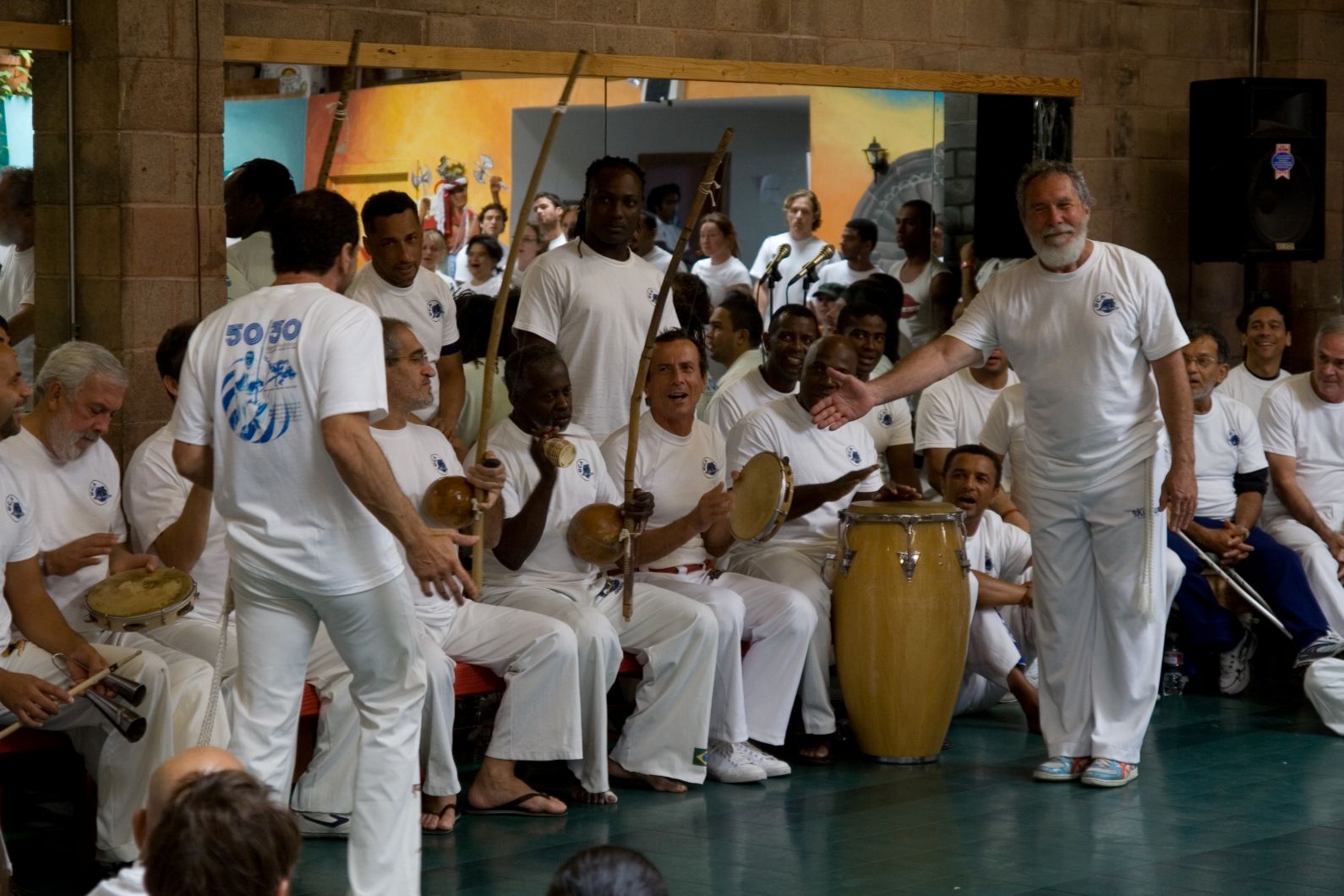
Capoeira continues to thrive as a powerful expression of Afro-Brazilian identity worldwide.
FAQ – Frequently Asked Questions
1. Who is Mestre Acordeon?
Mestre Acordeon is the artistic name of Bira Almeida, a Brazilian capoeira master who played a major role in spreading capoeira in the United States.
2. Why did Berkeley create Mestre Acordeon Day?
The city recognized his 30 years of cultural and educational contributions to the San Francisco Bay Area.
3. Where was Mestre Acordeon born?
He was born in Salvador, Bahia, Brazil — one of the birthplaces of capoeira.
4. Who trained Mestre Acordeon?
He trained under Mestre Bimba, creator of Capoeira Regional.
5. How did capoeira grow internationally?
Through pioneers like Mestre Acordeon, capoeira expanded globally, influencing academia, arts communities, and cultural institutions.