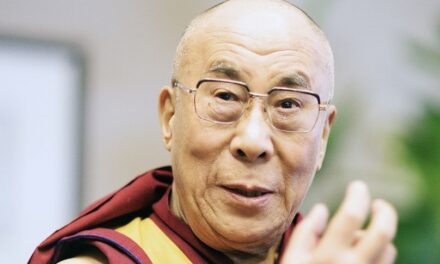
Human ignorance continues to fuel violence, inequality, and environmental destruction in 2026, now intensified by digital polarization and global instability. This reflection highlights self-awareness, education, and unity as essential tools to break cycles of hatred and suffering. The path forward lies in compassion, responsibility, and conscious living.
By Alexandre Perlingeiro
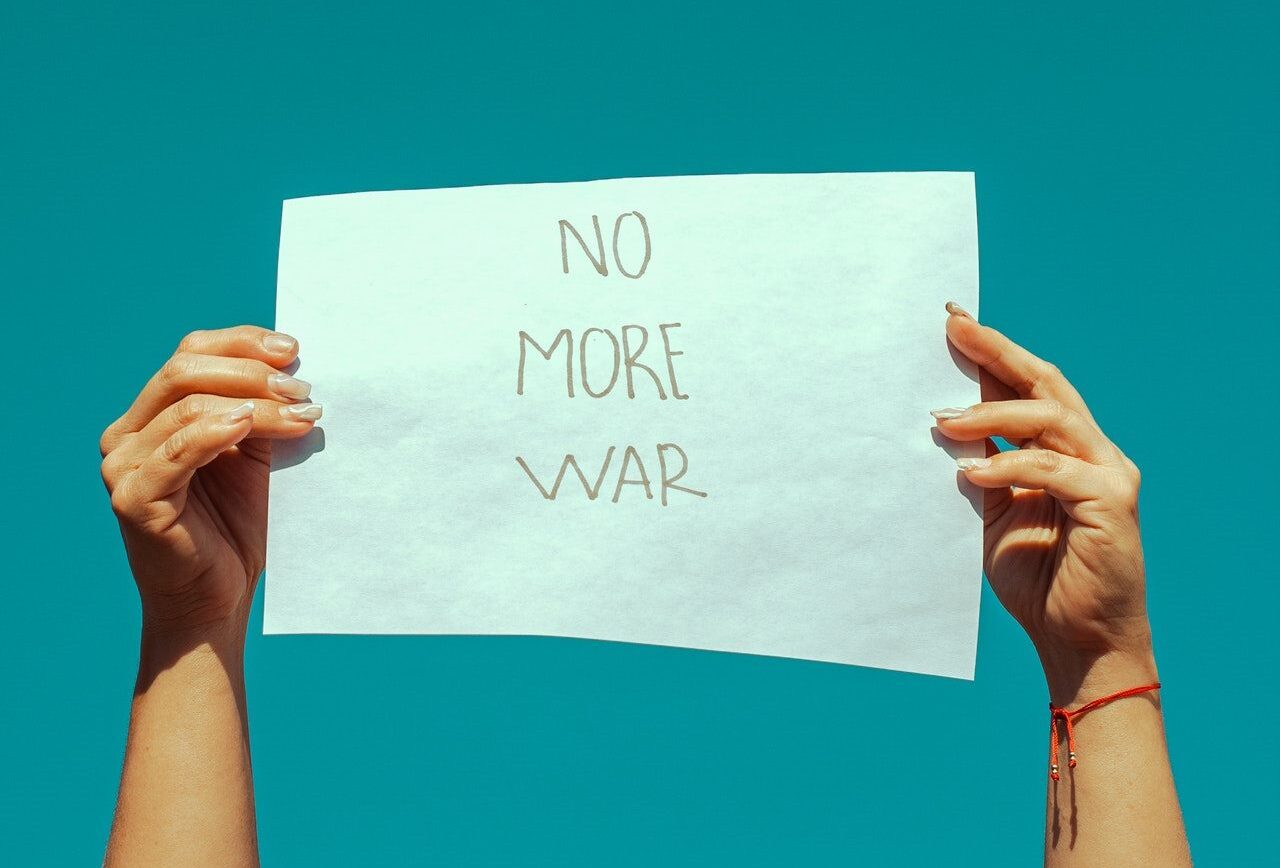
Self-awareness is essential to break cycles of hatred and division.
Ignorance remains a condition that separates human beings and continues to create divisions among societies, leading to confusion and acts of violence. Whether through poverty, racism, greed, extremism, or digital hostility, people are still exploited, displaced, murdered, and millions continue to suffer from hunger and inequality.
The Earth is also deeply affected by human ignorance. In 2026, we continue to see deforestation, biodiversity loss, pollution of air and water, and increasing impacts of climate change, including extreme weather events that affect millions globally.
The Inner Sense of Lack
Because of ignorance, we are often convinced that something is missing within us. This perception pushes humanity to fill that void with power, money, consumption, validation, and pleasure, sometimes even through hate or violence.
Ignorance remains a central cause of human suffering, and its true cure is knowledge combined with awareness. Only when humanity develops a deeper consciousness of unity and interdependence can suffering begin to decrease on a global scale.
Breaking the Cycle of Violence
When unity is achieved, the sense of lack diminishes, and fear, rage, and violence lose strength.
Yet today, violence continues to reproduce itself:
- Violence generates more violence
- Hate generates more hate
- Ignorance reproduces ignorance
This cycle is further amplified by misinformation, algorithmic polarization, and digital echo chambers, making awareness even more essential to break this pattern.
A World Still in Conflict
The world continues to face not only terrorism and armed conflict, but also prolonged wars, forced displacement, hunger crises, and humanitarian emergencies across multiple regions.
Even outside war zones, societies experience increasing emotional stress, social fragmentation, and psychological isolation. Violence today is not only physical—it is also emotional, structural, and digital.
The Invisible Violence Within Us
There is also a part of humanity that is being silently damaged by fear, hatred, isolation, and constant exposure to negativity.
In many ways, it remains human against human, expressed through new digital and social forms. These actions, driven by ignorance and disconnection, continue to produce suffering instead of solutions.
A Message of Compassion
As Christ said on the cross:
“Forgive them, for they know not what they do.”
This message remains deeply relevant today as an invitation to cultivate compassion, empathy, and respect, even amid disagreement.
A Call for Awareness and Simplicity
The violence that exists today—regardless of political beliefs, religion, nationality, or socio-economic status—must be reduced urgently.
One way to begin this transformation is to:
- Practice gratitude
- Reduce unnecessary consumption
- Choose awareness over reaction
- Invest in education, cooperation, and care for life
A Message of Solidarity
I invite everyone to send thoughts, prayers, and compassion to those who are the poorest, the most desperate, and the most alone.
This is also a message to those who suffer—and to those who, through ignorance or unconsciousness, continue to contribute to violence and suffering in the world.
* Alexandre Perlingeiro lives in Sao Paulo, Brazil, and is vice-president of the Brazilian Association of Dakshina Tantra Yoga.
FAQ – Frequently Asked Questions
1. What is the main idea of this article?
The central idea is that ignorance fuels violence, and only through self-awareness and unity can humanity reduce global suffering.
2. How is violence different compared to the past?
Violence today is not only physical but also digital, psychological, and structural, intensified by misinformation and online polarization.
3. Can self-awareness really reduce violence?
Yes, self-awareness promotes empathy, reflection, and conscious decision-making, which helps break cycles of hate and reaction.
4. What role does technology play in modern ignorance?
Technology can amplify ignorance through algorithms, echo chambers, and misinformation, but it can also spread education and awareness.
5. What is the practical first step toward global peace?
A practical first step is cultivating gratitude, awareness, and compassion, starting at the individual level and expanding outward.