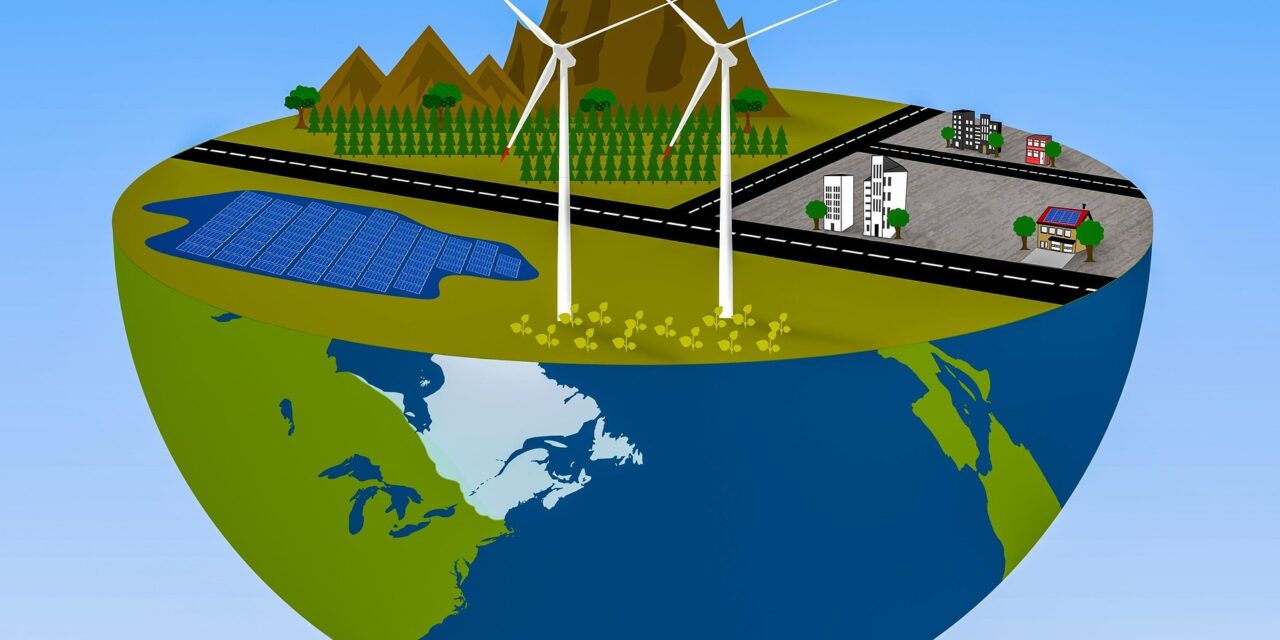
Technology has transformed healthcare, education and urban life, but it also raises serious concerns about privacy, employment and mental health. From artificial intelligence to social media, society faces a critical question: are we shaping technology — or is it shaping us? Ethical innovation is no longer optional; it’s essential.
Por Lindenberg Junior

AI is enabling earlier and more accurate disease detection, improving healthcare outcomes globally.
In just a few decades, technology has reshaped the human experience with staggering speed. From artificial intelligence and automation to social media and biotechnology, we now live in a world where our devices not only serve us — but increasingly define us.
This digital revolution has delivered transformative benefits. Yet it also presents cautionary challenges we can no longer afford to ignore.
The Promise: Innovation That Changes Lives
On one hand, the potential of technology is immense.
Artificial intelligence is enabling earlier and more accurate disease detection, significantly improving healthcare outcomes around the globe. Smart infrastructure systems are reducing waste and enhancing sustainability in modern cities. Education — once limited by geography and income — is now accessible to anyone with an internet connection.
These are not marginal improvements. They are life-changing advancements affecting millions of people worldwide.
The Shadow Side of Progress
For every breakthrough, however, there is a shadow.
The same algorithms that recommend movies or products also influence political opinions and social beliefs — often without users realizing it. Automation increases efficiency but threatens millions of jobs across industries, raising legitimate concerns about economic inequality and workforce displacement.
Digital platforms promise connection, yet they are increasingly associated with loneliness, anxiety, and the rapid spread of misinformation.
Technology empowers — but it also amplifies vulnerabilities.
The Ethical Crossroads
The question is no longer whether we should embrace technology. The question is how we embrace it.
Regulation is essential. But education is equally critical. Citizens must understand not only how to use technology — but how technology uses them.
Transparency from major tech companies such as Google and Meta, stronger accountability standards, and public participation in digital policymaking must become the norm rather than the exception.
We stand at a crossroads:
Will we shape technology — or allow it to shape us?
Innovation with Responsibility
Embracing innovation while remaining grounded in ethics, humanity and critical thinking is not merely aspirational — it is necessary.
Technology is neither a savior nor a villain. It is a tool. And like any powerful tool, its impact depends on the hands — and the minds — that wield it.
The future of society will not be decided by algorithms alone. It will be determined by the values we choose to defend.
* We would like to remind you that on our other website focused on marketing, business and entrepreneurship we have a blog focused on educating professionals and small business owners about trends, marketing, social media and web development, as well as services at competitive prices that can contribute to generating more business – www.kisuccess.com
FAQ – Frequently Asked Questions
1. Why is technology described as “double-edged”?
Because it brings significant benefits — such as medical advancements and global connectivity — while also creating risks like job displacement, misinformation and privacy concerns.
2. How is AI transforming healthcare?
AI systems can analyze large volumes of medical data to detect diseases earlier and more accurately, improving patient outcomes.
3. Does automation threaten jobs?
Yes. Automation increases efficiency but may replace certain roles, making workforce retraining and economic policy critical.
4. How do algorithms influence society?
Algorithms shape what content people see online, which can subtly affect opinions, beliefs and consumer behavior.
5. What is the key to ethical technology use?
Balanced regulation, digital literacy education, transparency from tech companies and informed public engagement.