Adding more fruits and vegetables to your daily meals can be easier than it seems. From planning ahead to preparing salads, soups and fruit-based desserts, these four simple strategies can help build a more balanced, nutrient-rich lifestyle.
Adding a salad to lunch and dinner is a simple way to increase the variety of vegetables in your diet.
Eating a balanced diet is not only about what you eat, but also about how much you eat – and whether you are getting enough nutrient-rich foods.
Eating well means including fruits and vegetables, lean meat and moderate amounts of healthy fats while reducing junk foods, highly processed foods and foods high in preservatives.
But if you are already trying to eat well and still are not getting enough fruits and vegetables, what can you do?
Many people are unsure about how many servings of fruits and vegetables they should eat each day. It can also be confusing to understand what actually counts as a serving.
Here are a few examples:
- 2 cups of leafy greens is equal to 1 cup of vegetables.
- ½ cup of dried fruits is equal to 1 cup of fruits.
- One large fruit, such as an apple, orange, peach or banana, can provide about 1 cup of fruit. Some vegetables, such as cucumbers and tomatoes, can also contribute to vegetable intake.
- Six to eight pieces of smaller fruits may equal about 1 cup, depending on the fruit.
While it may sound tricky, it becomes much simpler once you understand serving sizes and start incorporating fruits and vegetables into meals you already enjoy.
Here are four simple ways to eat more fruits and vegetables every day.
1. Plan Ahead
Having fruits and vegetables already washed, drained, chopped and cut up is a great time-saver. Plus, preparation can make it easier to avoid the excuses that often keep us from eating healthier.
It becomes much easier to add chopped spinach to an omelet or a handful of berries to yogurt or pancake batter when those ingredients are already prepared.
Fruit popsicles and fruit kabobs are also delicious and fun ways to add more fruit to your meals or your kids’ meals.
Preparing vegetables in advance also makes roasting them easier. Add a little oil and seasoning, then roast the vegetables to bring out their flavor.
You can roast almost all vegetables either in the oven or on the stovetop. You can also mix and match different vegetables to create your own unique healthy recipes.
Simple tip: Wash and cut several fruits and vegetables at the beginning of the week and store them properly so they are ready to use.
2. Eat More Salad
Try having a salad alongside your main meal at lunch and dinner.
Salads may be among the most versatile meals ever invented. You can make a classic salad or add protein such as chicken or tuna. You can also add beans, chickpeas, corn and other vegetables or ingredients you enjoy.
Adding vegetables and other fiber-rich foods to meals can help make them more filling while contributing important vitamins and minerals to your diet.
A salad does not have to be boring. Experiment with different combinations of vegetables, proteins, beans, fruits, seeds and dressings to create meals you actually look forward to eating.
3. Eat More Soup

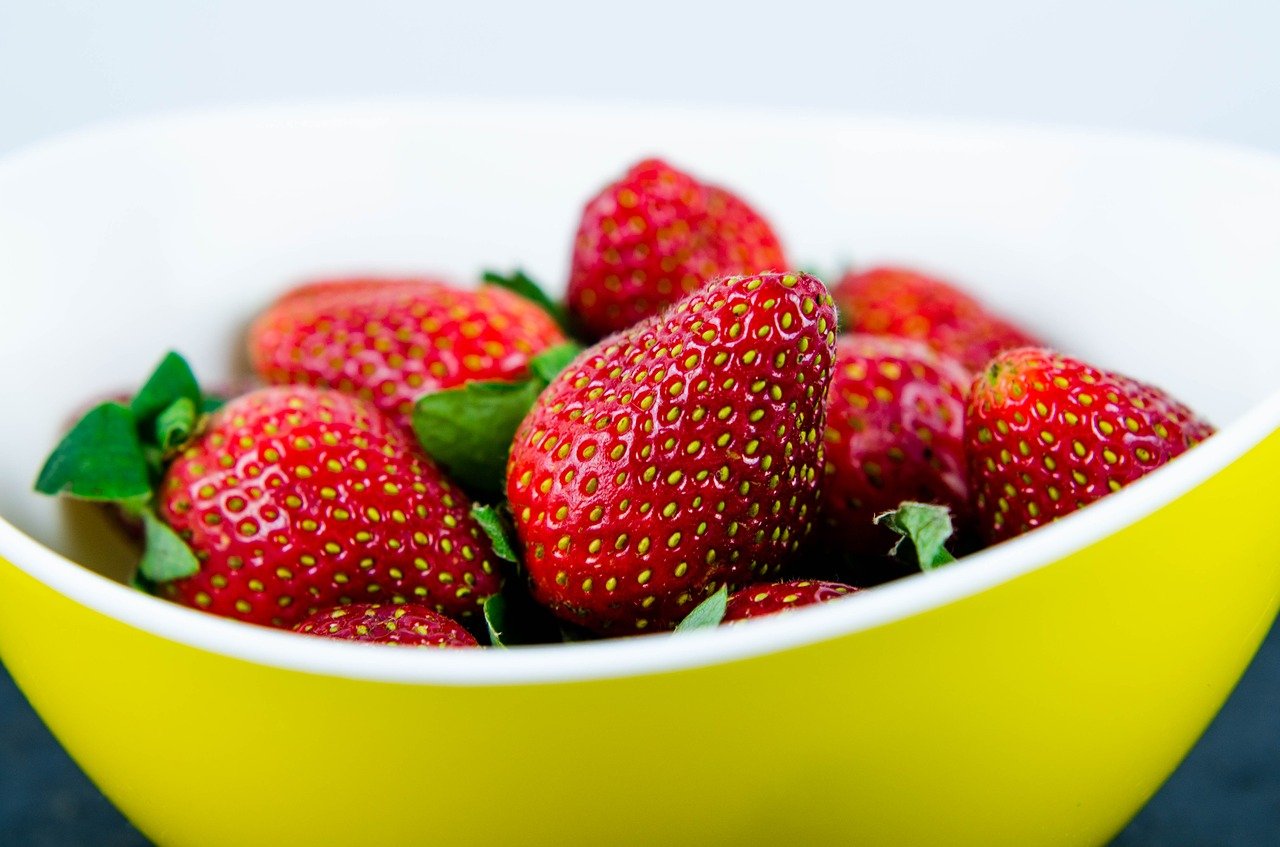
Choosing fruit instead of candy or ice cream can satisfy a sweet craving while adding fiber, vitamins and minerals to your diet.
Nothing says comfort food and nutritious quite like soup.
Throughout the year, soups can be a satisfying way to incorporate more vegetables into your diet. They can also be prepared in virtually an infinite number of ways.
Vegetable soups, bean soups and combinations of vegetables with lean proteins can turn a simple bowl of soup into a complete and satisfying meal.
You can also prepare a large batch and save portions for later, making it easier to have a nutritious option available when you are short on time.
4. Eat Fruit as Dessert
The idea behind craving something sweet after each meal – and sometimes in between meals – is that hunger and appetite can vary throughout the day.
Instead of automatically reaching for a candy bar or a bucket of ice cream, try having a piece of fruit.
Fruit provides fiber and a variety of vitamins and minerals while also offering natural sweetness.
You can cut up different types of fruit to make a fruit salad. Brazilians, for example, often enjoy adding fresh orange juice to fruit salad.
Another option is to put fruits in a blender and make a smoothie.
You can create a different fruit-based dessert for every day of the week, giving yourself plenty of variety while satisfying your sweet tooth.
Easy Ways to Add More Fruits and Vegetables to Your Routine
The key is to make healthy choices convenient.
Keep fruits where you can easily see them. Prepare vegetables before you need them. Add spinach, berries or other produce to foods you already eat. Make salads part of your main meals, experiment with vegetable soups and use fruit when you want something sweet.
Small changes can make it easier to increase your overall intake of fruits and vegetables without completely changing the way you eat.
Conclusion: Build a Nutrient-Rich Lifestyle
The best thing you can do for your health is to find the right amounts and types of foods that suit your individual needs.
Your gender, age, activity level and whether you lead an active or more sedentary lifestyle are all factors that can influence how much food and which nutrients you need.
These factors can provide a basic guideline for building a well-balanced, nutrient-rich lifestyle.
Rather than trying to completely change your diet overnight, focus on practical habits that make fruits and vegetables a regular part of your everyday meals.
FAQ – Frequently Asked Questions

Soup is a simple and comforting way to add more vegetables, fiber, vitamins and minerals to your daily meals.
How can I eat more fruits and vegetables every day?
Plan ahead by washing and cutting produce in advance, adding salads to meals, preparing vegetable-based soups and choosing fruit as a dessert or snack.
How many servings of fruits and vegetables should I eat each day?
The amount varies according to factors such as age, sex and activity level. Individual nutritional needs can differ, so general serving guidelines should be adapted to each person.
What are easy ways to add vegetables to meals?
Add chopped spinach to omelets, vegetables to soups and salads, or roast a variety of vegetables with a small amount of oil and seasoning.
Is fruit a healthy alternative to traditional desserts?
Fruit can be a nutrient-rich alternative to many desserts, providing natural sweetness along with fiber and various vitamins and minerals.
Why is it helpful to prepare fruits and vegetables in advance?
Washing, chopping and storing produce ahead of time makes it more convenient to add fruits and vegetables to meals and snacks, reducing the effort required when you are short on time.